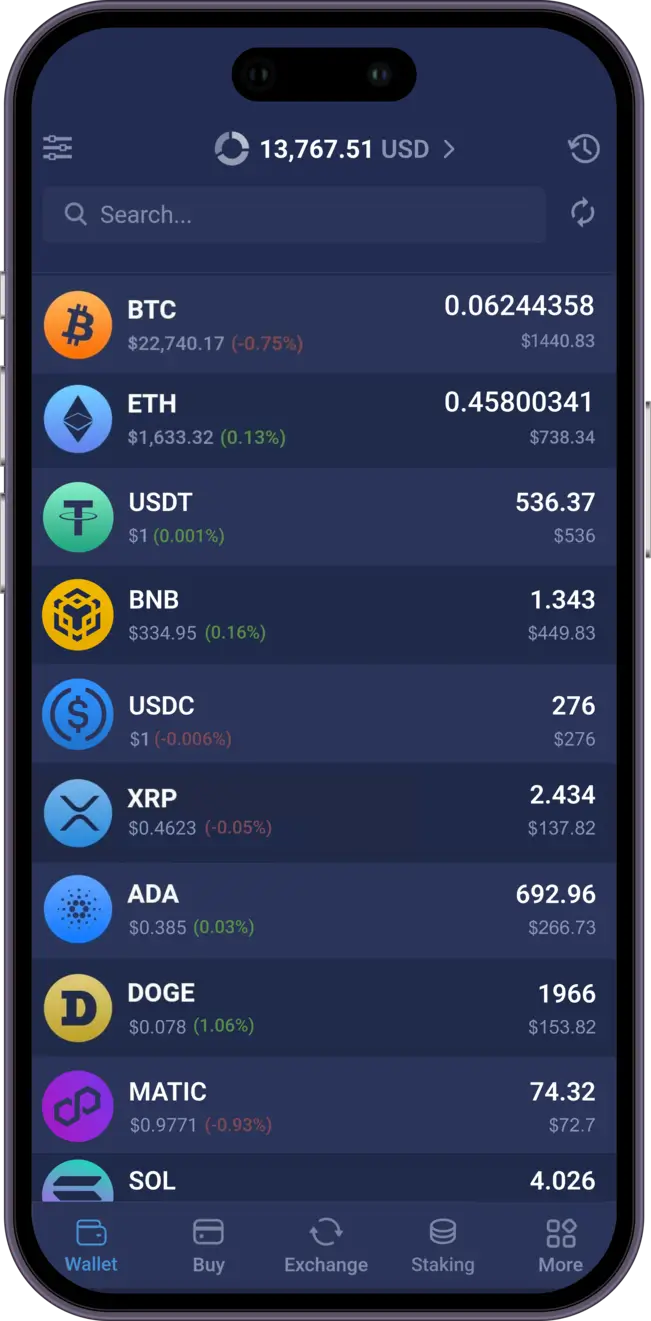
Ethereum (ETH) wallet

Manage Ethereum (ETH) and 1,000+ assets. Your secure, non-custodial wallet with cashback and rewards.

Download Ethereum Wallet

Trusted by 15,000,000 users worldwide

Ethereum (ETH) wallet

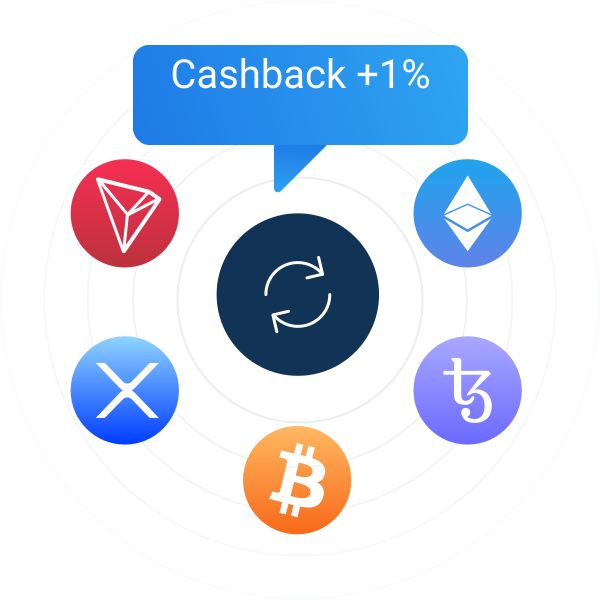
Swap Ethereum (ETH) and Earn Rewards

Exchange ETH for 1,000+ assets instantly and securely. Receive up to 1% cashback directly to your wallet.

Swap Ethereum

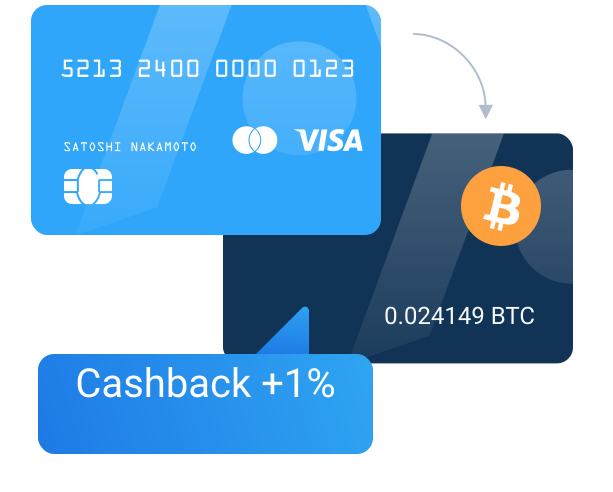
Buy Ethereum (ETH) with a Credit Card

Buy Ethereum and 20+ supported assets using your credit or debit card. Available in USD, EUR and local currencies worldwide.

Buy Ethereum

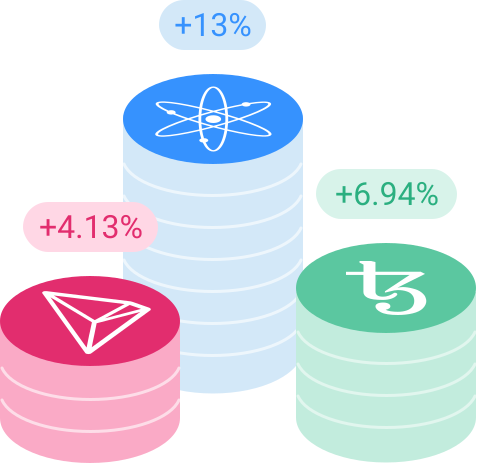
Stake Ethereum (ETH) and Earn

Get up to 5% APY by staking ETH and 10+ assets securely from your Atomic Wallet.

Stake Ethereum

What Our Customers Say

Rated 4.9 out of 5 stars from 27,424 happy customers!

Why Choose Atomic Ethereum wallet

Private

No registration and KYC required to use the app. We don't track your data

Secured

Your private keys are encrypted and never leave your device. Only you have control over your funds

24/7 Online Support

Fast support for your needs. Live chat and email support for customers from all over the globe.

Download Atomic Wallet

Windows

MacOS

Ubuntu

Debian

Fedora

Check Hashsum

What Is an Ethereum Wallet?

Diving into the world of cryptocurrency starts with understanding the basic tools – especially wallets. If you’re interested in Ethereum, one of the leading blockchain networks, choosing the right Ethereum wallet is crucial.

Understanding Ethereum Wallets

An Ethereum wallet, like other cryptocurrency wallets, is a digital tool used to store, send and receive Ethereum (ETH). It works similarly to a bank account for digital assets, but with one key difference: instead of a financial institution controlling access, an Ethereum wallet gives you direct control over your funds.

Ethereum wallets operate using cryptographic keys. A public key, also known as a wallet address, is used to receive ETH, while a private key or recovery phrase authorizes transactions and proves ownership. Protecting this private information is essential, as it controls access to your assets.

Ethereum wallets come in different forms depending on how private keys are stored. Software wallets run on desktop or mobile devices and are commonly used for everyday transactions due to their convenience. Hardware wallets store keys offline, providing additional protection against online threats.

Some wallets are browser-based and focused on Web3 interactions, while others prioritize asset management. Each type offers a different balance between accessibility, security and functionality, allowing users to choose what best fits their needs.

Popular Ethereum wallet options include Atomic Wallet, a non-custodial wallet designed for managing Ethereum and other assets from one interface; Ledger, which stores private keys offline for enhanced security; and Trust Wallet, known for its mobile-first design and Web3 support.

Importance of Ethereum Wallets

Ethereum wallets play a central role in how users store, manage and use ETH. They provide a personal and secure way to control digital assets, which is fundamental in a decentralized environment where ownership is defined by access to private keys.

An Ethereum wallet also serves as a gateway to the broader Ethereum ecosystem. It allows users to send and receive ETH, manage tokens and interact with on-chain services such as decentralized applications and smart contracts.

Without an Ethereum wallet, users cannot directly access or control their Ethereum on the blockchain. For this reason, choosing a wallet that matches your usage needs and security expectations is a critical decision for anyone working with ETH.

Different Ethereum wallets offer different approaches to usability, security and functionality. Understanding how wallets handle key management, transactions and additional features helps users make informed choices based on how they plan to use Ethereum.

Because blockchain transactions are irreversible, wallet security should always be a priority. When selecting an Ethereum wallet, it is important to consider factors such as self-custody, ease of use and long-term reliability.

Review of Atomic Wallet

For users entering the cryptocurrency space, having a reliable Ethereum wallet is essential. Atomic Wallet is a non-custodial wallet that has become widely used for managing Ethereum and other crypto assets across different platforms.

Features of Atomic Wallet

Atomic Wallet is a non-custodial Ethereum wallet used by millions of users worldwide. It offers a set of features designed for managing Ethereum and other crypto assets in one place. With Atomic Wallet, users can store, send, swap and stake ETH, as well as manage supported tokens and NFTs.

One of the core features of Atomic Wallet is the ability to swap Ethereum with a wide range of supported crypto assets directly from the wallet. This allows users to manage and rebalance their portfolios without relying on external exchanges.

Atomic Wallet also supports buying Ethereum and selected cryptocurrencies using credit or debit cards. Purchases are available in USD, EUR and other local currencies through integrated on-ramp providers, making it possible to buy Ethereum directly within the wallet interface.

For users interested in earning rewards on their holdings, Atomic Wallet provides access to staking features where available. By staking Ethereum and other supported assets, users can earn staking rewards while maintaining control of their funds.

Benefits of Using Atomic Wallet

Using Atomic Wallet as an Ethereum wallet offers several practical advantages for managing crypto assets. One of the main benefits is versatility. Atomic Wallet combines essential Ethereum actions – storing, buying, swapping, staking and sending ETH – within a single interface, reducing the need to rely on multiple platforms.

The built-in swap functionality allows users to exchange Ethereum with a wide range of supported crypto assets directly from the wallet. This makes it easier to manage and rebalance a portfolio without transferring funds to external services.

Atomic Wallet also provides access to staking features where available, allowing users to earn staking rewards on Ethereum and other supported assets while maintaining control of their funds. This adds an additional use case for ETH beyond simple holding or transferring.

Another benefit is the ability to buy Ethereum and selected cryptocurrencies using credit or debit cards in supported regions. With support for major fiat currencies such as USD and EUR, as well as local currencies, Atomic Wallet offers a convenient entry point for acquiring ETH directly within the app.

Overall, Atomic Wallet is designed to support different Ethereum use cases – from basic storage to more advanced asset management. Whether users are holding ETH long term or actively interacting with crypto assets, Atomic Wallet provides a non-custodial environment focused on control, accessibility and everyday usability.

Choosing the Right Ethereum Wallet

When interacting with the Ethereum network, the choice of wallet plays an important role. With many Ethereum wallet options available, it’s worth considering a few key factors to ensure the wallet you choose matches how you plan to use ETH.

Factors to Consider

When selecting an Ethereum wallet, it’s important to look beyond basic storage and consider how the wallet fits your actual use of ETH.

Functionality: Support for everyday actions like sending and receiving ETH, as well as advanced features such as swapping assets, staking and managing tokens or NFTs.

Security: A non-custodial model with private keys kept under user control, combined with encryption and other protective measures.

Ease of Use: A clear and intuitive interface that makes it easy to manage balances, review transaction history and complete transactions confidently.

Platform Compatibility: Availability on desktop, mobile, or hardware platforms to ensure consistent access across devices.

Asset Support: Support for ETH, ERC-20 tokens and additional crypto assets as usage expands.

Additional Features: Built-in options like buying ETH with fiat currencies, swapping assets within the app, or accessing staking features without relying on external services.

Making an Informed Decision

Choosing an Ethereum wallet is not only about storing ETH securely, but about how you plan to use it. Whether your focus is long-term holding, regular transactions, or interacting with on-chain services, the right wallet should support those actions while keeping control in your hands.

A well-chosen Ethereum wallet becomes a core part of your experience with the Ethereum network, combining security, usability and flexibility as your usage grows.

FAQ

Got questions about Ethereum? Here’s everything you need to know about the world’s leading smart contract platform powering DeFi, NFTs and Web3 applications.

[email protected]

What is an Ethereum wallet?

An Ethereum wallet in Atomic Wallet is a secure way to store and manage ETH with full self-custody. It lets you send, receive and manage Ethereum directly from your device without relying on exchanges.

How do you create an Ethereum wallet?

To create an Ethereum wallet in Atomic Wallet, install the app and generate a new wallet during setup. Your recovery phrase is created locally and is required to restore access to your ETH.

How do you send Ethereum to another wallet?

To send Ethereum, open Atomic Wallet, enter the recipient’s ETH address, choose the amount, confirm the network fee and approve the transaction directly in the app.

How do you withdraw money from an Ethereum wallet?

Withdrawing money means sending ETH from Atomic Wallet to an exchange or on-ramp service where it can be converted into fiat currency. Atomic Wallet never holds your funds or initiates withdrawals.

Is Atomic Wallet safe for storing Ethereum?

Yes. Atomic Wallet is safe for storing Ethereum because it is fully non-custodial. Your private keys are generated and stored on your device and are never shared with servers or third parties.

How can you keep your Ethereum wallet secure?

Keep your recovery phrase offline, never share it with anyone and use device-level protection such as a passcode or biometrics. Always double-check wallet addresses before sending ETH.