What Is Ethereum Blockchain? A Complete Beginner’s Guide (2026)

Ethereum is a decentralized blockchain network enabling developers to deploy and run smart contracts and dApps without middlemen. It began in 2015 and has led the charge for DeFi, NFTs, and the majority of Web3 initiatives. Shifting the blockchain from PoW to PoS with The Merge was a giant leap towards scaling, energy efficiency, and sustainability.
History and Development of Ethereum
Vitalik Buterin founded Ethereum late in 2013, and it was founded by a team that included Gavin Wood, Joseph Lubin, among others. Its mainnet was launched in July 2015.
Ethereum has also experienced several significant upgrades along the years, including Homestead, Metropolis, Istanbul, and London. Most groundbreaking of all, however, was the September 15, 2022 update called The Merge — the shift from PoW to PoS. Subsequent Shanghai/Shapella upgrades allowed for staked ETH withdrawal in addition to additional performance tweaks.
How Ethereum Works: Technology and Architecture
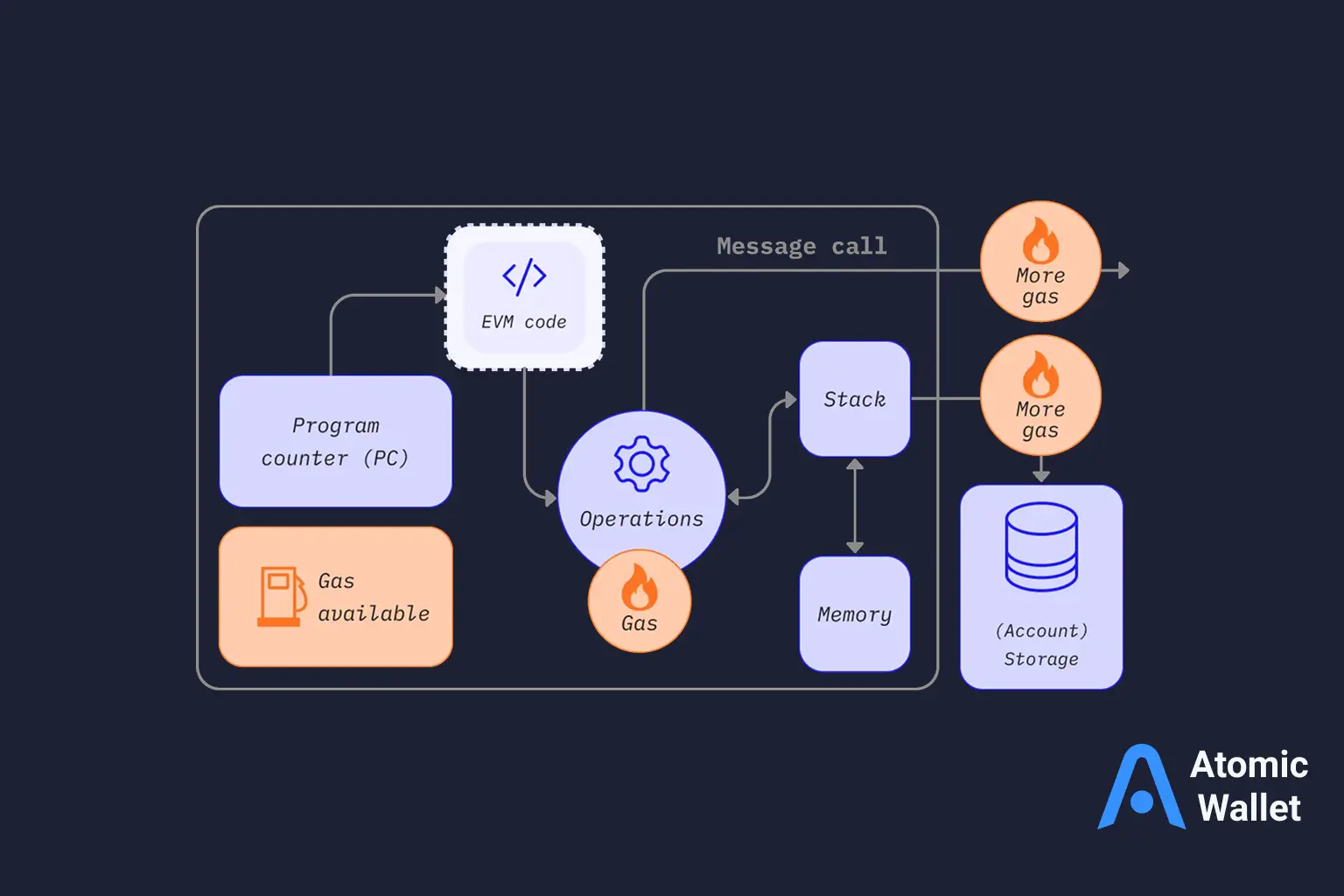
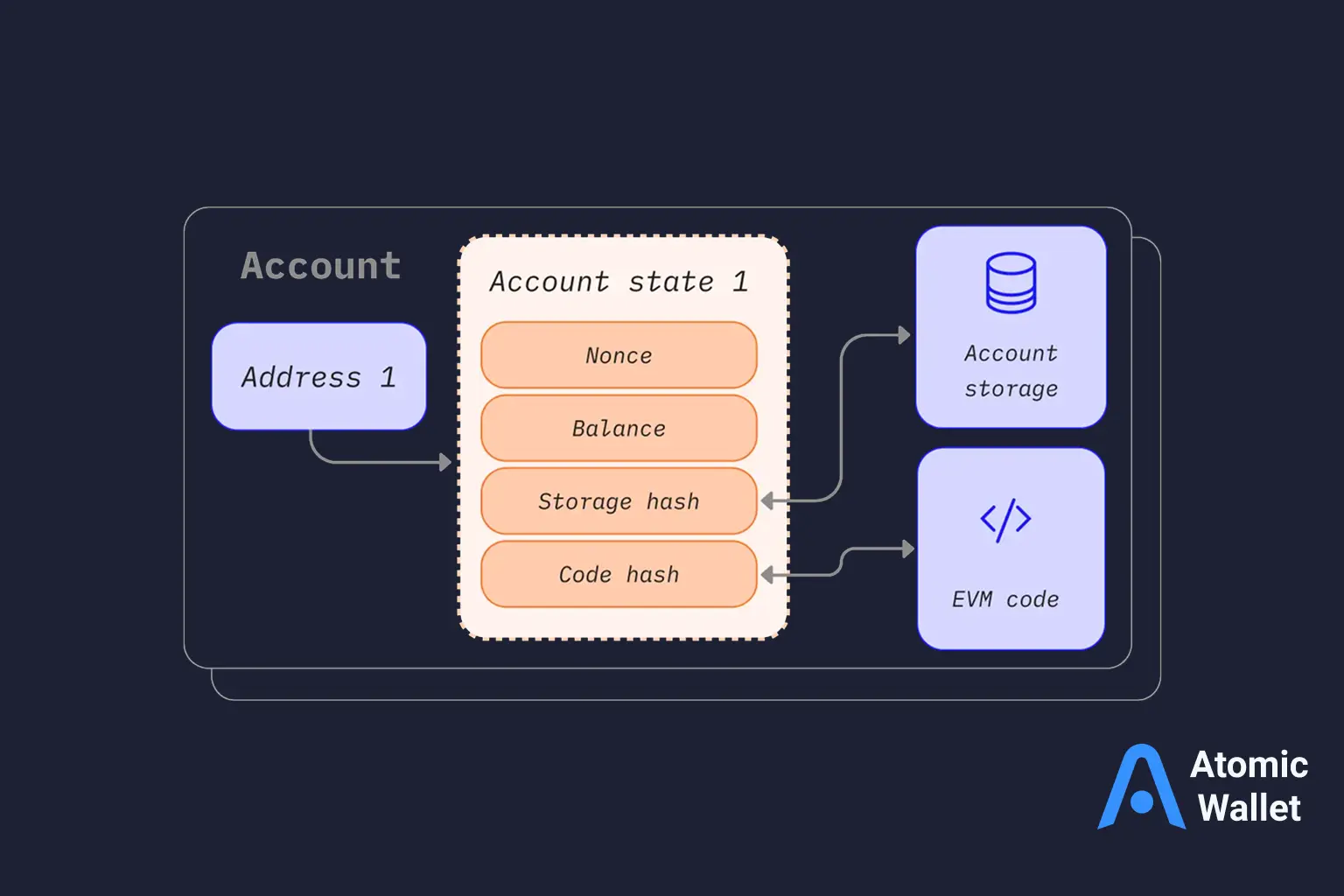
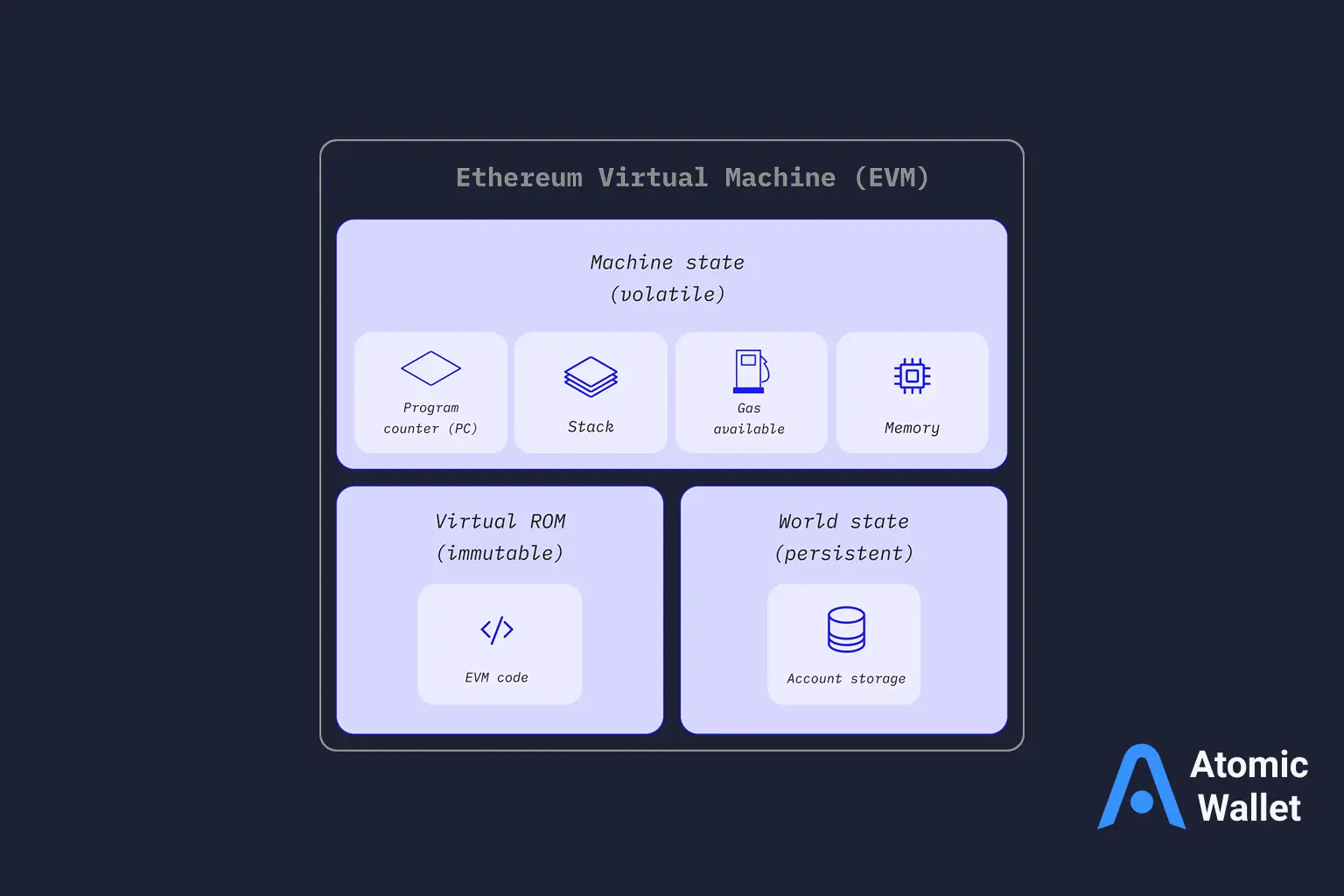
It's powered by the Ethereum Virtual Machine (EVM), which the developers can code under (with Solidity or Vyper) that will execute independently. These smart contracts are the building blocks of dApps.
The consensus algorithm is now Proof of Stake, where validators stake ETH (a minimum of 32 ETH) to secure the network. Transactions have a gas fee, in ETH and fluctuating with network congestion. PoS allowed Ethereum to reduce energy usage by roughly 99% and achieved quicker finality of transactions.
Key Features of Ethereum
Ethereum offers a robust and flexible platform with:
- A gigantic universe of DeFi protocols, NFTs, DAOs, and token formats such as ERC-20 and ERC-721.
- Layer-2 scaling solutions such as Arbitrum and Optimism that help in fee savings and throughput boost.
- Developer-rich tooling with Hardhat, Foundry, and Truffle.
- Economic primitives such as gas burning (unleashed through the London upgrade), staking rewards, and validator incentives.
Tokenomics and ETH
ETH, the natively issued cryptocurrency of Ethereum, is used for payment of gas, staking, and collateral in DeFi protocols. There are around 120 million ETH available. ETH has no supply limit in comparison to Bitcoin. Issuance has declined significantly since The Merge with the elimination of mining rewards and implementation of fee burning, giving a possible deflationary effect during high usage.
Use Cases and Applications
Ethereum has a wide variety of Web3 applications:
- DeFi platforms like Aave, Uniswap, and MakerDAO enable lending, borrowing, and non-intermediary trading.
- NFT marketplaces like OpenSea and Foundation enable digital property ownership and monetization for artists.
- DAOs use smart contracts to decentralized management and governance.
- Web3 infrastructure projects manage decentralized identity, payments, and storage.
Challenges and Limitations
Ethereum, notwithstanding its popularity, still faces challenges:
Scalability and expenses: Exorbitant gas fees during peak times restrict entry. Layer-2 solutions are beneficial, but complete adoption is in progress.
User experience: Wallet navigation, transactions, and gas configuration are hard for new users.
Regulatory concerns: Staking providers and DeFi protocols may be subject to scrutiny based on location.
Competition: More recent platforms such as Solana and Avalanche provide competing platforms with cheaper costs and greater speeds.
How to Interact with Ethereum
How to begin using Ethereum:
Choose a wallet, such as MetaMask or a hardware wallet, to store ETH safely.
Use your wallet to access Ethereum dApps and be prepared to pay gas costs for each interaction.
Utilize Layer-2 networks such as Optimism or Arbitrum to save on transaction fees.
If staking, operate your own validator or utilize a staking service, with the 32 ETH minimum remembered.
To safely interact with Ethereum dApps or stake your ETH, it’s essential to use a secure non-custodial wallet. Try Atomic Wallet — the best Ethereum wallet for holding, staking, and managing your assets in one place.
Conclusion
Ethereum remains the backbone for decentralized blockchain construction. With smart contracts, fantastic community support, and scalable infrastructure with PoS and Layer‑2s, it's well‑positioned for long‑term growth.
If you’re planning to explore Ethereum — whether for investing, trading, or interacting with dApps — make sure to use a secure, non-custodial Ethereum Wallet like Atomic Wallet to safely store and manage your ETH.
As the Ethereum ecosystem continues to evolve, its foundational role in the decentralized internet will only grow stronger.