Why Is Crypto Pumping? Inside the Biggest Short Squeeze Ever

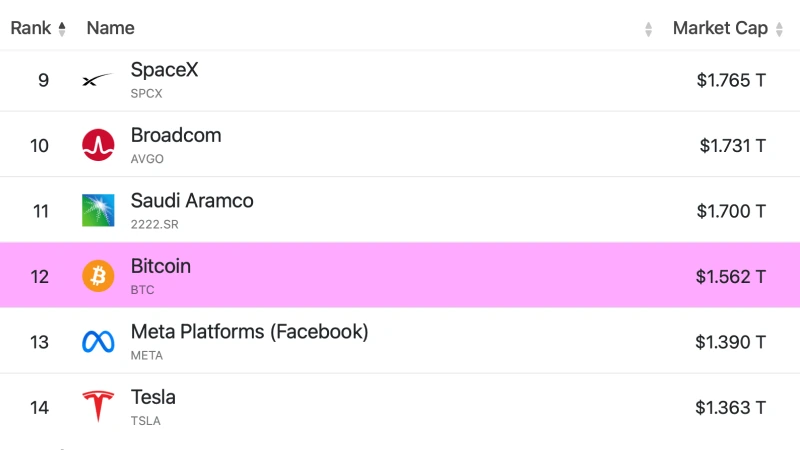
Crypto is moving at a speed the market has not seen in months. Bitcoin briefly pushed above $79,000 after gaining more than 20% over the week, while Ethereum broke above $2,400 as capital rotated into higher-beta crypto assets. XRP, SOL, LINK, ZEC and other major altcoins have followed with double-digit weekly gains.
The rally is not being driven by one headline. The first major catalyst came from the U.S. Treasury, which doubled the size of planned buybacks for longer-dated government bonds. That move eased pressure on long-term yields and weakened the dollar, improving the liquidity backdrop for risk assets. Once Bitcoin broke higher, heavily positioned shorts were forced to close, turning a strong rally into a liquidation-driven squeeze.
Why Is Crypto Pumping Right Now?
The current crypto rally is being driven by a combination of improving liquidity expectations, a major Bitcoin breakout, forced short covering and a more constructive U.S. regulatory backdrop.
- U.S. Treasury buybacks: Treasury doubled the cap on long-duration bond buybacks from $2 billion to at least $4 billion per operation, helping ease stress in the long end of the bond market.
- Bitcoin breakout: BTC moved sharply higher after weeks of depressed sentiment, forcing traders positioned for further downside to reassess quickly.
- Short liquidations: billions of dollars in bearish leveraged positions have been wiped out during the move. Every forced short closure creates market buying, which can push price into the next liquidation cluster.
- Broader crypto momentum: Ethereum and major altcoins are now participating, showing that the move is spreading beyond Bitcoin alone.
Washington has added another layer of support through renewed momentum around crypto market-structure rules and pro-crypto comments from the White House. But the market mechanics matter just as much as the politics: liquidity helped start the move, while leverage made it accelerate.
The US Treasury Lit the Fuse
The first major catalyst behind crypto’s breakout came from an unexpected corner of the market: the U.S. Treasury.
Treasury announced that it would increase buybacks of longer-dated government debt, effectively doubling the maximum size of certain operations from $2 billion to at least $4 billion. Buybacks do not mean the government is directly printing money or sending cash into Bitcoin. Instead, Treasury repurchases older bonds from the market, which can improve liquidity in the Treasury market and reduce pressure in parts of the yield curve.
That matters for crypto because Bitcoin tends to respond strongly when financial conditions become more favorable. Lower long-term yields and a softer dollar can reduce the relative appeal of holding cash and bonds while making higher-risk assets more attractive. The Treasury move therefore landed at exactly the right moment for a market already positioned defensively.
Crypto’s Biggest Short Squeeze Ever
Once Bitcoin started breaking higher, leverage turned a macro-driven rally into a violent short squeeze.
Roughly $3.8 billion in crypto short positions were liquidated over two days, marking one of the largest short-liquidation waves since at least 2021. Traders who had bet on Bitcoin, Ethereum and other cryptocurrencies falling were suddenly caught on the wrong side of a rapidly rising market.
The mechanics make these moves self-reinforcing. When a leveraged short reaches its liquidation price, the position is forcibly closed by buying the asset back. Those market buys push prices higher, which can trigger the next cluster of short liquidations. More shorts are forced to buy, prices rise again, and the cycle repeats.
That helps explain why Bitcoin could move from roughly the low-$60,000s toward $80,000 so quickly. The initial catalysts created demand, but billions of dollars in forced buying dramatically increased the speed of the move.
Bitcoin Leads as Ethereum and Altcoins Explode
Bitcoin started the move, but the rally has now spread aggressively into the altcoin market.
BTC has gained more than 20% over the week, while Ethereum has climbed roughly 28% and broken above $2,400. That ETH move matters because Ethereum is often one of the first major assets to benefit when capital begins moving further out on the crypto risk curve.
The strongest weekly moves include:
The breadth of the rally is important. A Bitcoin-only move can reflect demand concentrated in the largest crypto asset. When ETH and several large altcoins begin outperforming at the same time, it suggests risk appetite is spreading across the market rather than remaining isolated in BTC.
Washington Adds More Fuel to the Crypto Rally
The market was already moving when Washington delivered another cluster of bullish crypto signals.
At the August 19 White House meeting, President Trump again pushed Congress to advance the CLARITY Act, which is intended to establish a clearer federal market structure for digital assets and define regulatory responsibilities across agencies. The event brought together senior regulators and executives from Coinbase, Robinhood, Kraken, Ripple, Nasdaq, ICE and other major financial and crypto companies.
At the same time, the SEC has proposed a more accommodating framework for crypto fundraising, while the CFTC is exploring ways to establish digital-asset market rules under its existing authority. Trump also singled out Hyperliquid, saying CFTC Chair Michael Selig was working on a path to bring the platform into the U.S. in a fully compliant form. HYPE rallied sharply after the comments, although no U.S. approval or launch date has been announced.
Short Squeeze or a New Crypto Bull Run?
The key question now is whether the rally can continue after the forced buying from short liquidations fades.
There are signs that the move has support beyond leverage. Spot Bitcoin ETF trading activity jumped as BTC accelerated, while Ethereum and major altcoins began outperforming alongside Bitcoin. That broader participation is healthier than a rally driven by BTC liquidations alone.
But liquidation data also explains why the move became so extreme so quickly. Billions of dollars in shorts were forced to close, creating automatic buy orders regardless of whether traders actually wanted to enter the market. Once the largest short clusters are cleared, that source of buying disappears.
For the rally to develop into a more durable bullish trend, the market now needs fresh spot demand to replace forced buying. Continued ETF activity, stronger ETH performance and sustained participation across large-cap altcoins would all strengthen that case.
What Happens Next?
Crypto enters the next phase with momentum firmly on the bullish side, but also with much higher volatility.
The bullish setup is straightforward: Bitcoin needs to hold most of its breakout, Ethereum needs to maintain its relative strength, and capital needs to continue rotating into altcoins. A supportive Treasury-market backdrop and further regulatory progress in Washington could add fuel.
The main risk is that price has moved extremely far in a very short period. Short covering can produce explosive rallies, but it can also leave the market vulnerable once forced buyers disappear. Fresh leverage, profit-taking or another rise in Treasury yields could quickly produce sharp pullbacks.
For traders, that combination creates a market where direction can change quickly and percentage moves can become unusually large. Atomic Wallet Perps provides access to leveraged long and short crypto positions directly from the Atomic ecosystem.