Cross Margin vs Isolated Margin in Perpetual Futures Trading
Leverage gets most of the attention in perpetual futures trading, but margin mode often matters just as much. Two traders can open the exact same position with the same leverage and end up with completely different outcomes depending on whether they use cross margin or isolated margin.
That’s because margin mode changes how risk moves through the position. In one setup, losses stay contained inside the trade itself. In the other, the position can draw from the broader account balance to survive volatility.
This is why experienced traders do not treat cross and isolated margin as simple settings. They treat them as different approaches to managing exposure inside perps.
Why Margin Mode Matters in Perps
Perpetual futures are built around leverage, which means positions are constantly exposed to liquidation thresholds. Margin mode determines what happens when the market starts moving against that position.
In isolated margin, the risk is capped to a specific amount of collateral assigned to the trade. Once that collateral is exhausted, the position is liquidated. The rest of the account remains untouched.
Cross margin works differently. Instead of isolating collateral to one trade, the system can draw from available account equity to keep positions alive. That gives the trade more room to survive short-term volatility, but it also increases the amount of capital exposed if the move continues in the wrong direction.
This distinction becomes especially important in crypto perps because volatility is not an edge case — it is the normal environment.
What Is Isolated Margin?
Isolated margin separates risk at the position level.
When a trader opens a position using isolated margin, a specific amount of collateral is assigned to that trade alone. If the market moves against the position and the collateral is depleted, the position is liquidated without affecting the rest of the account balance.
That structure makes isolated margin popular for traders who want strict downside control. The maximum exposure is easier to define from the start, and one bad position is less likely to spill into everything else.
The trade-off is flexibility. Because the position can only rely on its assigned collateral, it has less room to absorb volatility before liquidation happens. In fast-moving perp markets, that can mean getting forced out of a trade even if the broader market direction later turns out to be correct.
What Is Cross Margin?
Cross margin takes the opposite approach. Instead of assigning collateral to a single trade, it allows positions to draw from the available balance across the account.
That changes how liquidation works. A position is not limited to one isolated pool of collateral, which means it can survive larger swings before being forced out. For active traders, this flexibility is the main reason cross margin exists in the first place.
In volatile perp markets, positions are often pushed around by short-term price spikes before the broader move becomes clear. Cross margin gives traders more room to stay in the trade instead of getting liquidated on temporary noise.
But the added flexibility comes with a different kind of risk. Because collateral is shared, a bad position can start affecting the rest of the account. Losses are no longer neatly contained inside one trade.
Cross margin is not “more aggressive” or “more advanced” by default. It simply prioritizes position survival over strict risk isolation.
Cross Margin vs Isolated Margin: The Core Difference
At a technical level, the difference between cross and isolated margin is collateral management. In practice, the difference is how risk spreads when the market becomes volatile.
This is why traders often think about the two modes in very different ways:
- isolated margin protects the account from the position
- cross margin protects the position from short-term volatility
Neither mode is universally “better.” The choice depends on whether the priority is limiting downside or keeping positions alive during aggressive market movement.
How Liquidation Works in Both Modes
Liquidation is where the difference between margin modes stops being theoretical.
With isolated margin, the process is straightforward. Once the collateral assigned to the position is no longer enough to support the trade, the position is closed. The loss stays limited to that isolated margin balance.
Cross margin changes the dynamic completely. Instead of liquidating immediately when one position gets close to the threshold, the system can pull from available account equity to keep the trade open. That can help a position survive temporary volatility, but it also means multiple positions may become linked through shared collateral.
This is where traders get caught off guard. A single losing position can start draining margin that was indirectly supporting other trades. In fast markets, that creates the possibility of cascading liquidations across the account rather than one contained loss.
The reason experienced traders care about margin mode so much is simple: liquidation behavior changes the entire risk profile of a trading setup.
Which Margin Mode Is Better for Perps?
There is no universal answer because the two modes solve different problems.
Isolated margin is usually preferred when traders want tighter control over downside exposure. It works well for:
- high-risk setups
- experimental trades
- highly leveraged positions
- situations where protecting account balance matters more than keeping the trade alive
Cross margin is often used when traders care more about flexibility and position stability:
- active futures trading
- managing multiple positions at once
- hedged setups
- trades expected to experience short-term volatility before moving in the intended direction
This is why experienced traders often switch between modes instead of treating one as permanently superior. The choice depends less on ideology and more on the structure of the trade itself.
Why Experienced Traders Often Use Both
Most active traders do not stay locked into a single margin mode. Different setups require different forms of risk management.
A trader might use isolated margin for a highly leveraged short-term position where the goal is to cap downside tightly from the start. At the same time, they may keep larger swing positions on cross margin to avoid getting liquidated during temporary volatility.
The distinction becomes even more important when multiple positions are open at once. Some trades are meant to survive market noise. Others are meant to fail fast if the setup breaks.
That is why cross and isolated margin are better viewed as tools rather than identities. The mode itself does not make a trader conservative or aggressive — the context does.
Common Mistakes With Margin Modes
Most margin mistakes happen because traders misunderstand what the mode is actually protecting.
One of the most common problems with cross margin is hidden exposure. Traders see extra flexibility and forget that the position can draw from the broader account balance. In volatile conditions, one bad trade can start affecting collateral that was supporting completely different positions.
Isolated margin creates the opposite mistake. Traders often assume it is a “safe mode” and compensate by increasing leverage too aggressively. The risk may be contained to one position, but that position can still be liquidated extremely quickly.
Other mistakes are more structural:
- switching margin modes without understanding liquidation changes
- using high leverage in low-liquidity perps
- ignoring how multiple positions interact under cross margin
- focusing on leverage size while overlooking collateral management
In perpetual futures, liquidation is rarely caused by one variable alone. Margin mode, leverage, volatility, and position sizing all interact at the same time.
Margin Modes and Risk Management in Futures Trading
Margin mode is not just a technical preference inside a trading interface. It shapes how risk behaves once leverage enters the picture.
That is why experienced traders think about cross and isolated margin as part of overall position architecture, not as a secondary setting. The same trade can behave very differently depending on how collateral is structured behind it.
In perpetual futures, this matters even more because positions stay open continuously. Exposure does not reset at expiry, volatility can accelerate quickly, and liquidation thresholds are always active in the background.
Cross margin increases flexibility by allowing positions to survive larger swings. Isolated margin increases control by limiting how much damage one trade can cause. The choice is less about “which one is safer” and more about what kind of risk the trader is willing to absorb.
Getting Started With Perpetual Futures
Understanding margin modes only becomes useful once traders are actually active in perps.
That is where platform choice starts to matter. Some environments prioritize advanced infrastructure and deep trading customization, while others focus on making perpetual futures easier to access and manage.
For newer perp traders, the challenge is often not understanding the idea of leverage — it is managing the layers around it: collateral, liquidation, volatility, and position sizing.
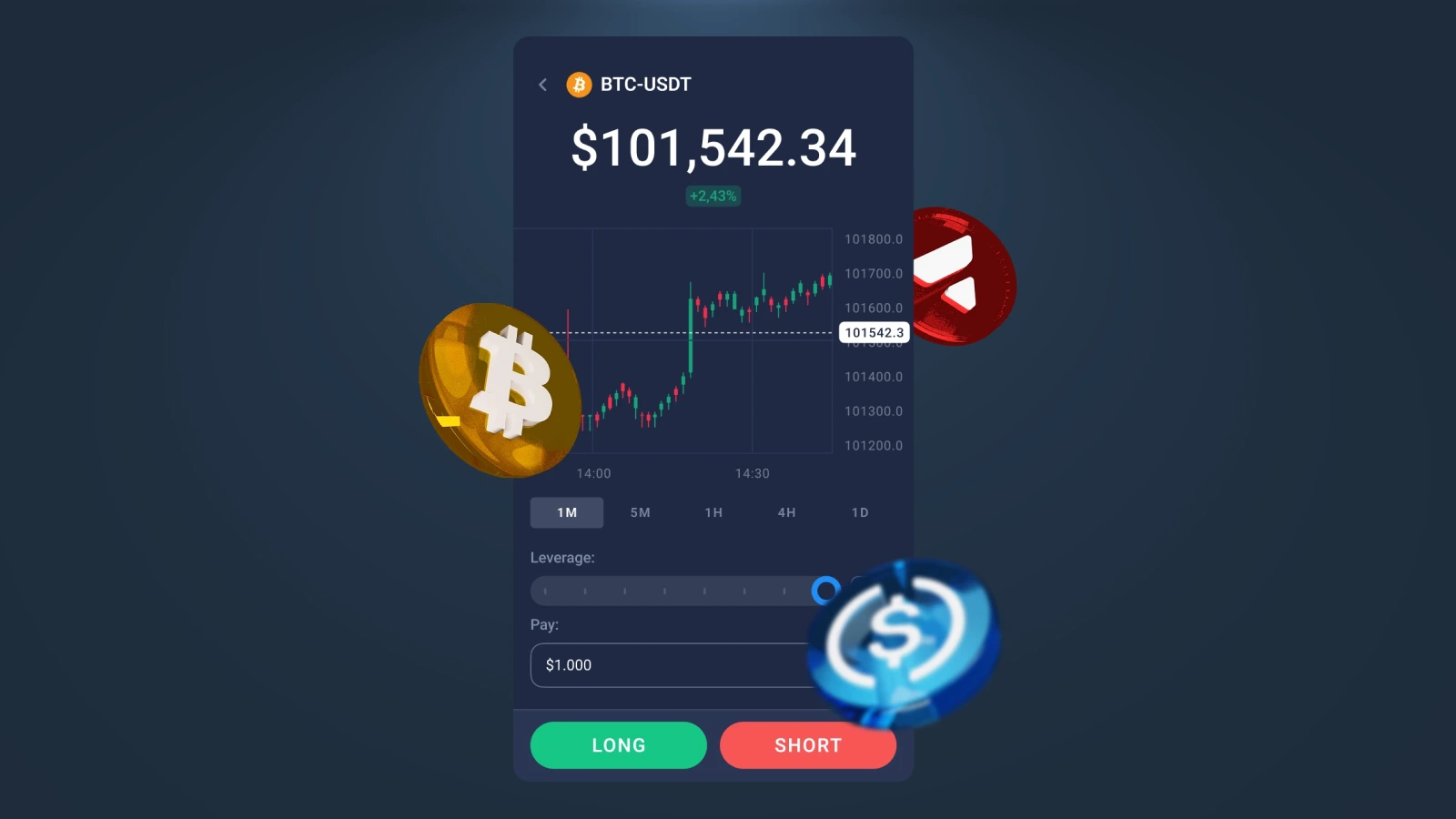
Atomic Wallet’s Perps trading simplifies access to perpetual futures markets while still giving users control over how they approach leveraged trading. Once traders begin working with perps consistently, concepts like cross and isolated margin stop being abstract settings and become part of everyday risk management.
Conclusion: Margin Mode Shapes the Trade
Cross margin and isolated margin are often presented as simple trading settings, but in practice they define how a leveraged position behaves under pressure.
Isolated margin limits the damage a single trade can cause. Cross margin gives positions more room to survive volatility by pulling from broader account collateral. Neither approach is universally better because they solve different problems.
That is why experienced perp traders switch between modes depending on the setup, market conditions, and how they want risk to be distributed.
In perpetual futures, leverage is only one part of the equation. Margin structure matters just as much.