What Is GRVT? The Hybrid Exchange Built for Private Trading
Crypto trading infrastructure is starting to split into new categories beyond the traditional CEX versus DEX debate.
Projects like GRVT are pushing toward a hybrid model where traders keep self-custody of assets while still accessing the speed, execution quality, and usability normally associated with centralized exchanges. At the same time, the platform integrates zero-knowledge infrastructure designed to improve privacy and scalability for on-chain trading.
That combination helped GRVT emerge as one of the more closely watched projects in the next generation of perpetual trading infrastructure.
Why GRVT Is Getting Attention
GRVT is attracting attention by combining self-custody, privacy-focused infrastructure, and exchange-style trading performance inside a hybrid architecture.
Part of the interest comes from a growing realization across crypto markets: many traders want the execution speed and usability of centralized exchanges without fully giving up control of assets.
GRVT is positioning itself directly inside that gap.
The project combines several narratives currently gaining momentum:
- hybrid exchange infrastructure
- zero-knowledge scalability
- private on-chain trading
- self-custodial perpetual markets
- institutional-grade trading systems
GRVT also gained visibility through strong funding rounds and close alignment with the broader zkSync ecosystem, which helped place the protocol inside the expanding conversation around next-generation exchange architecture.
What Is GRVT?
GRVT is a hybrid exchange that combines off-chain trading infrastructure with on-chain settlement guarantees and self-custodial asset management.
The platform is designed to preserve blockchain-based ownership while improving many of the performance limitations traditionally associated with decentralized trading systems.
Instead of processing every action directly on-chain, GRVT separates parts of the trading workflow:
- execution and matching occur off-chain
- settlement guarantees remain on-chain
- users maintain self-custody through wallet infrastructure
This architecture allows the platform to target:
- lower latency
- higher throughput
- improved scalability
- more private trading environments
- exchange-style user experience
The result sits somewhere between a traditional centralized exchange and a fully on-chain DEX.
That hybrid positioning is central to how GRVT differentiates itself inside the increasingly crowded perpetual trading sector.
What Makes GRVT a “Hybrid Exchange”?
GRVT uses a hybrid exchange model where trading execution happens off-chain while blockchain infrastructure still guarantees settlement and asset ownership.
Traditional decentralized exchanges often struggle with latency and scalability because every action must pass directly through on-chain execution.
GRVT takes a different approach by separating different parts of the system:
- order matching off-chain
- trade processing off-chain
- settlement guarantees on-chain
- self-custodial asset control maintained throughout
This structure is designed to improve trading speed while still preserving blockchain-based verification and ownership principles.
The broader idea behind hybrid exchanges is simple: combine the performance of centralized systems with the security and transparency of decentralized infrastructure.
That positioning is becoming increasingly important as perpetual trading platforms compete on execution quality as much as decentralization itself.
How GRVT Uses Zero-Knowledge Technology
GRVT uses zero-knowledge infrastructure to support scalable trading, cryptographic verification, and more private on-chain market activity.
Zero-knowledge systems allow networks to verify computations without exposing all underlying data publicly on-chain.
For trading platforms, this creates several potential advantages:
- improved scalability
- lower on-chain data load
- stronger privacy protections
- efficient verification systems
GRVT integrates this infrastructure through a Validium-style architecture connected to the broader zkSync ecosystem.
This matters because fully transparent trading environments can expose:
- trader positioning
- execution behavior
- wallet activity
- market strategy visibility
By combining zero-knowledge infrastructure with hybrid exchange architecture, GRVT is trying to build a trading environment that feels faster, more scalable, and more private than traditional on-chain exchanges.
Why Privacy Matters in On-Chain Trading
Most blockchain trading systems are fully transparent, which can expose positions, execution behavior, and trading activity publicly on-chain.
That transparency creates trade-offs.
While open blockchains improve verifiability, they can also reveal:
- wallet balances
- open positions
- trading patterns
- liquidation levels
- execution timing
For active traders and larger market participants, that visibility may create strategic disadvantages compared to traditional financial markets where order flow and positioning are not fully public in real time.
This is one reason privacy infrastructure is becoming a larger discussion across on-chain trading systems.
GRVT’s architecture attempts to balance blockchain guarantees with more protected trading environments, positioning privacy as part of the exchange infrastructure itself rather than an optional secondary feature.
GRVT and the Rise of Hybrid Exchanges
Hybrid exchanges are emerging as a middle ground between centralized exchange performance and decentralized ownership models.
The model is gaining traction because both traditional CEXs and fully on-chain DEXs come with trade-offs.
Hybrid systems attempt to combine:
- exchange-grade performance
- wallet-based ownership
- scalable infrastructure
- blockchain settlement guarantees
- easier onboarding experiences
This approach is increasingly attractive as traders look for alternatives that preserve self-custody without sacrificing usability and execution quality.
Self-Custody Without Traditional DEX Friction
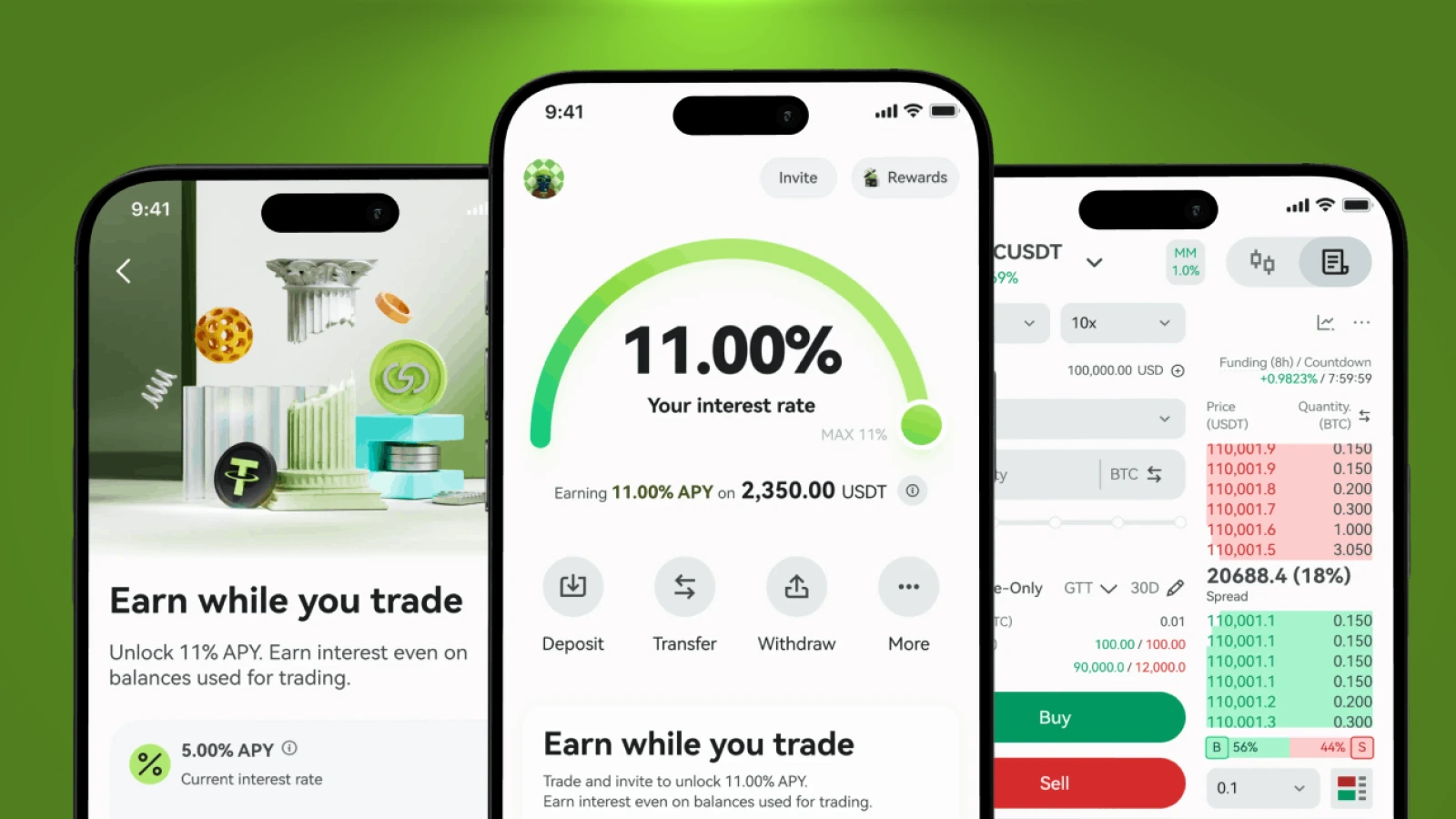
GRVT is designed to reduce many of the usability and onboarding problems that have historically limited decentralized trading platforms.
Traditional DEX environments often require:
- complex wallet setup
- manual key management
- fragmented interfaces
- slower onboarding
- difficult account recovery
GRVT is trying to simplify that experience through a more exchange-style onboarding flow while still preserving self-custodial infrastructure underneath.
The platform’s broader UX direction includes:
- wallet-based ownership
- simplified onboarding systems
- reduced trading friction
- more familiar exchange interfaces
This matters because many users want self-custody in theory, but still expect the convenience and speed associated with centralized trading platforms.
GRVT’s Infrastructure and Scaling Model
GRVT combines off-chain processing with blockchain settlement guarantees in order to improve throughput, scalability, and trading performance.
Fully on-chain exchanges often face limitations tied to:
- latency
- transaction throughput
- execution speed
- blockchain congestion
GRVT’s architecture attempts to reduce those constraints by processing much of the trading activity outside the Ethereum mainnet while still anchoring settlement guarantees to blockchain infrastructure.
The system is designed around:
- high-frequency trading support
- scalable execution infrastructure
- lower latency environments
- blockchain-based verification
This hybrid scaling approach reflects a broader industry trend where exchange infrastructure is increasingly separating execution performance from final settlement layers.
Why Traders Are Watching GRVT
GRVT gained visibility through strong funding, zkSync ecosystem alignment, and growing interest in next-generation perpetual trading infrastructure.
The project entered broader crypto discussions as traders and investors started paying closer attention to hybrid exchange models combining:
- self-custody
- privacy infrastructure
- scalable execution
- exchange-style UX
- on-chain settlement guarantees
GRVT’s funding rounds also reinforced institutional interest around the sector, especially as perpetual trading continues expanding beyond traditional centralized exchanges.
At the same time, speculation around potential future token models and ecosystem incentives has kept the project highly visible across crypto trading communities.
The broader attraction is not only about one platform — it is about the idea that future trading infrastructure may no longer fit cleanly into either “CEX” or “DEX” categories.
Risks and Open Questions Around GRVT
Like many emerging exchange protocols, GRVT still faces important questions around adoption, decentralization, and long-term execution.
Hybrid exchange models introduce new trade-offs alongside their advantages.
Several areas remain important to watch:
- infrastructure complexity
- scalability under heavy usage
- decentralization balance
- regulatory positioning
- competition across perp trading markets
The hybrid structure itself may also raise debate among different parts of the crypto community. Some users prioritize full on-chain transparency and decentralization, while others prioritize execution quality and usability.
GRVT’s long-term success will likely depend on whether it can maintain the balance between:
- performance
- self-custody
- privacy
- scalability
- user experience.
Managing Assets Across Hybrid Trading Platforms
As hybrid exchanges grow, wallets and secure asset management remain core parts of the trading infrastructure stack.
Even as trading interfaces become more exchange-like, self-custody still places responsibility for asset management on the user side.
That includes:
- wallet security
- transfer management
- multi-platform trading access
- asset storage
- cross-chain activity
Hybrid exchanges reduce some of the friction associated with decentralized systems, but they do not eliminate the importance of secure wallet infrastructure.
Atomic Wallet provides a multi-asset environment for managing crypto holdings across different ecosystems while maintaining self-custodial control and broader access to blockchain-based trading infrastructure.
Conclusion: GRVT and the Future of Hybrid Trading
GRVT reflects a broader shift toward combining centralized trading performance with decentralized ownership and privacy infrastructure.
The project is part of a growing movement inside crypto markets where traders increasingly expect:
- exchange-grade execution
- self-custody
- scalable infrastructure
- lower friction onboarding
- stronger privacy protections
Rather than choosing fully between centralized or decentralized models, hybrid exchanges attempt to merge elements of both.
That positioning makes GRVT less about a single trading platform and more about the larger evolution of how crypto market infrastructure may operate in the future.