What Is Hedera? The Enterprise Network Behind HBAR
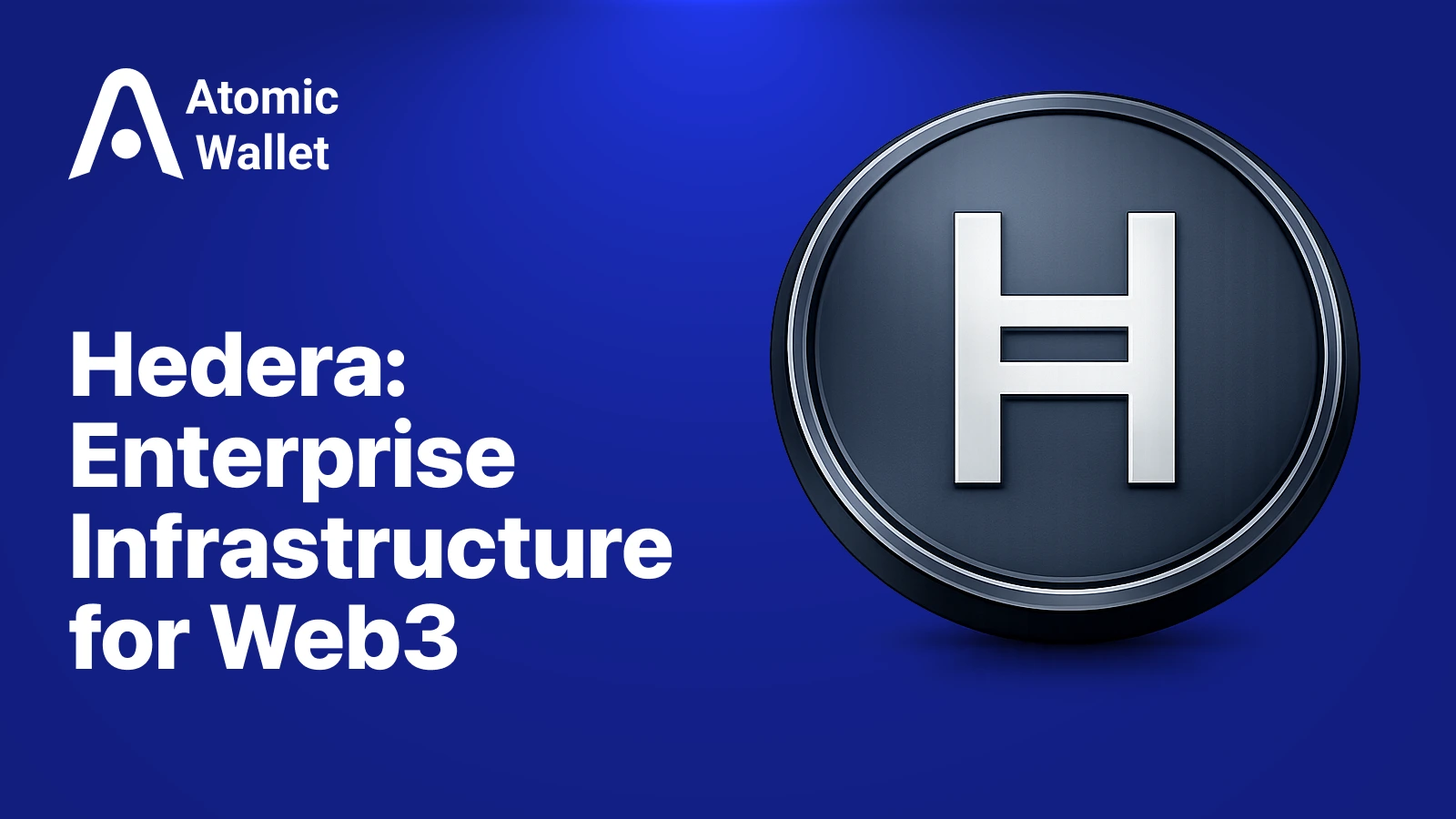
Enterprise adoption remains one of the most closely watched themes in crypto.
While many blockchain networks focus primarily on retail users, Hedera has built its identity around enterprise infrastructure, institutional participation, and real-world applications. The network supports payments, tokenization, smart contracts, and digital asset services through a technology stack designed for high throughput and predictable performance.
As tokenization, stablecoins, and regulated crypto products continue gaining momentum, Hedera and its native HBAR token have returned to the spotlight across both crypto and institutional markets.
Why Hedera and HBAR Are Getting Attention
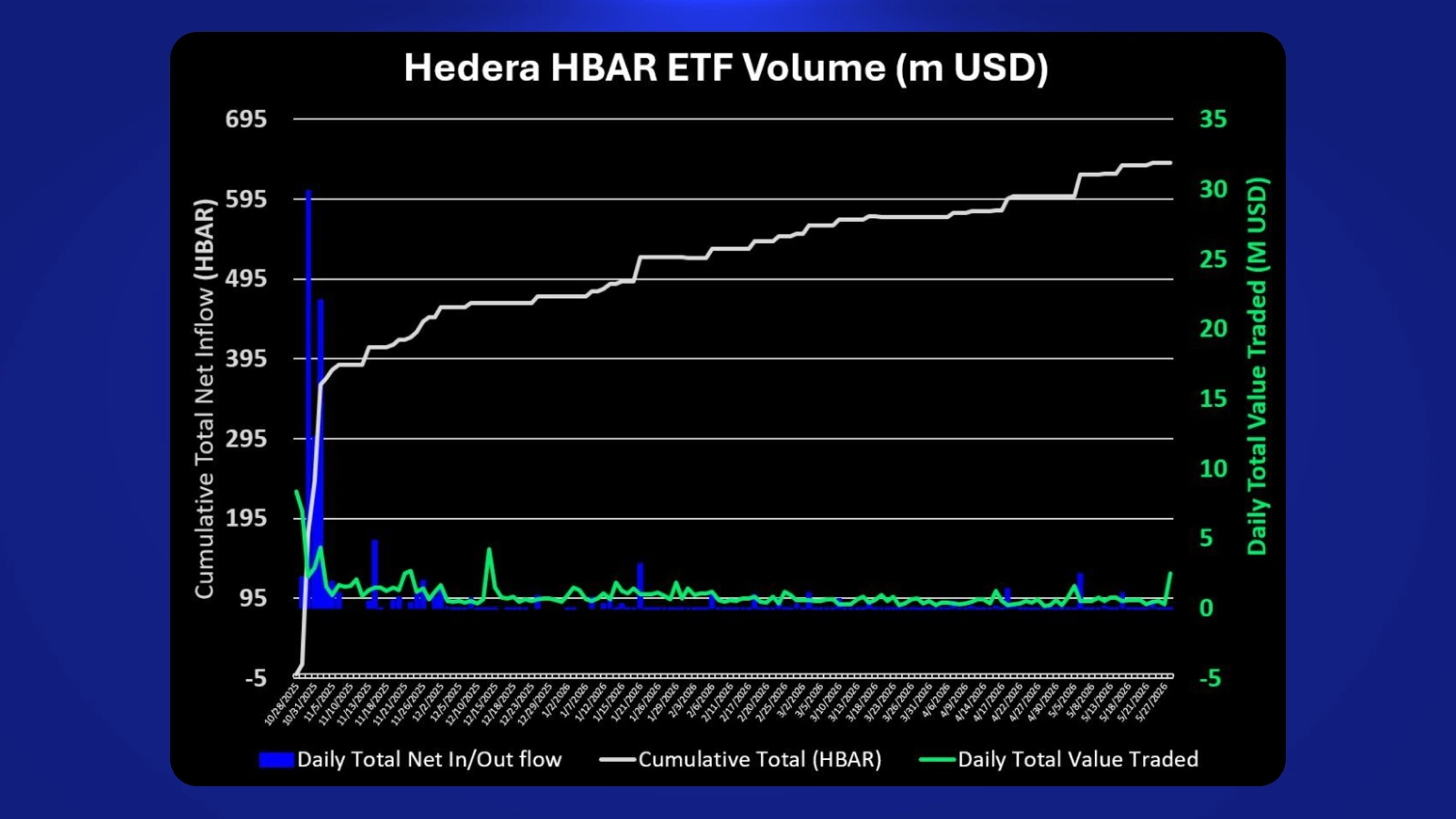
Hedera is attracting attention through growing institutional adoption, ETF inflows, tokenization initiatives, and enterprise-focused digital asset infrastructure.
Several developments have helped increase visibility around the ecosystem:
- growing institutional exposure to HBAR
- expanding tokenization activity
- strong development activity within RWA-related sectors
- enterprise partnerships
- broader stablecoin and payments adoption
Institutional interest has also increased through regulated investment products tied to HBAR, while tokenization and digital asset infrastructure continue becoming larger themes across financial markets.
At the same time, Hedera maintains a unique position within the crypto sector due to its focus on enterprise participation and governance rather than purely community-driven network expansion.
This combination of enterprise adoption, tokenization infrastructure, and institutional attention has helped keep Hedera relevant as the next generation of digital financial networks develops.
What Is Hedera?
Hedera is a public distributed ledger that uses Hashgraph consensus to support payments, tokenization, smart contracts, and enterprise-scale applications.
Unlike traditional blockchain networks that organize transactions into blocks, Hedera uses a different consensus architecture known as Hashgraph.
The network provides infrastructure for:
- digital payments
- token creation
- smart contracts
- decentralized applications
- enterprise integrations
Hedera is fully open source and designed to support large-scale applications requiring predictable performance, low fees, and high transaction throughput.
Its native asset, HBAR, powers network activity and plays a central role in securing and operating the ecosystem.
Rather than positioning itself solely as a cryptocurrency network, Hedera aims to function as infrastructure for digital assets, tokenized markets, and enterprise-grade Web3 applications.
How Hedera Hashgraph Works
Hedera uses Hashgraph consensus instead of a traditional blockchain architecture to achieve high throughput, fast finality, and predictable network performance.
Rather than grouping transactions into sequential blocks, Hashgraph relies on a communication process often described as “gossip-about-gossip.”
This approach allows network participants to share information efficiently while maintaining agreement on transaction ordering.
The architecture is designed to support:
- fast transaction processing
- low and predictable fees
- network scalability
- strong security guarantees
- enterprise-grade reliability
Hedera also uses asynchronous Byzantine Fault Tolerance (aBFT), a security model designed to help the network maintain consensus even when some participants behave unexpectedly.
The result is a distributed ledger built for applications that require consistent performance at scale.
What Makes Hedera Different From Traditional Blockchains?
Hedera’s architecture differs from conventional blockchains through its consensus model, governance structure, and enterprise-focused design.
Many blockchain networks rely on block production systems where transactions are grouped into sequential blocks before final settlement.
Hedera takes a different approach.
The network also places significant emphasis on enterprise participation and long-term infrastructure development.
This combination of:
- alternative consensus technology
- predictable operating costs
- enterprise governance
- tokenization infrastructure
helps distinguish Hedera from many other public distributed ledger networks operating today.
Hedera Governing Council Explained
Hedera uses a governing council model that includes major organizations from technology, finance, and enterprise sectors.
The council structure is one of the network’s most distinctive features.
Rather than relying exclusively on informal community governance, Hedera distributes decision-making responsibilities across a group of globally recognized organizations that help oversee network development and strategic direction.
Examples include:
Council members participate in areas such as:
- network governance
- software oversight
- ecosystem development
- strategic planning
Supporters view this model as a way to promote long-term stability and enterprise participation, while critics often debate how it compares with more traditional decentralized governance systems.
Regardless of perspective, the governing council remains one of the defining characteristics of the Hedera ecosystem.
What Gives HBAR Value?
HBAR powers network activity, transaction fees, staking, and participation across the broader Hedera ecosystem.
The token serves as the native asset of the network and supports multiple functions required for day-to-day operation.
Every transaction executed on the network requires HBAR for payment, making the token an essential component of ecosystem activity.
HBAR also supports staking mechanisms that help secure the network while allowing participants to contribute to overall system reliability.
As adoption of tokenization, payments, and enterprise applications grows, HBAR remains the asset that connects network usage to the broader economics of the Hedera ecosystem.
HBAR Tokenomics and Supply Model
HBAR uses a fixed supply model designed to support long-term network activity without ongoing token inflation.
Unlike many blockchain networks that continuously issue new tokens through inflationary reward systems, Hedera operates with a maximum supply cap.
The fixed supply structure is intended to provide predictability while allowing ecosystem growth to be supported through treasury allocations and planned token distributions.
Key characteristics of the model include:
- capped token supply
- transparent distribution schedules
- ecosystem incentive programs
- treasury-funded growth initiatives
This design allows Hedera to support network development without creating additional token inflation beyond the established supply framework.
Hedera, RWAs and Tokenization
Hedera is increasingly positioning itself as infrastructure for tokenized assets, stablecoins, and real-world financial applications.
Tokenization has become one of the most important themes across digital asset markets, and Hedera is actively participating in that trend through services designed for enterprise and institutional use cases.
The network supports:
- tokenized assets
- stablecoin infrastructure
- digital payment systems
- enterprise asset management
- financial market applications
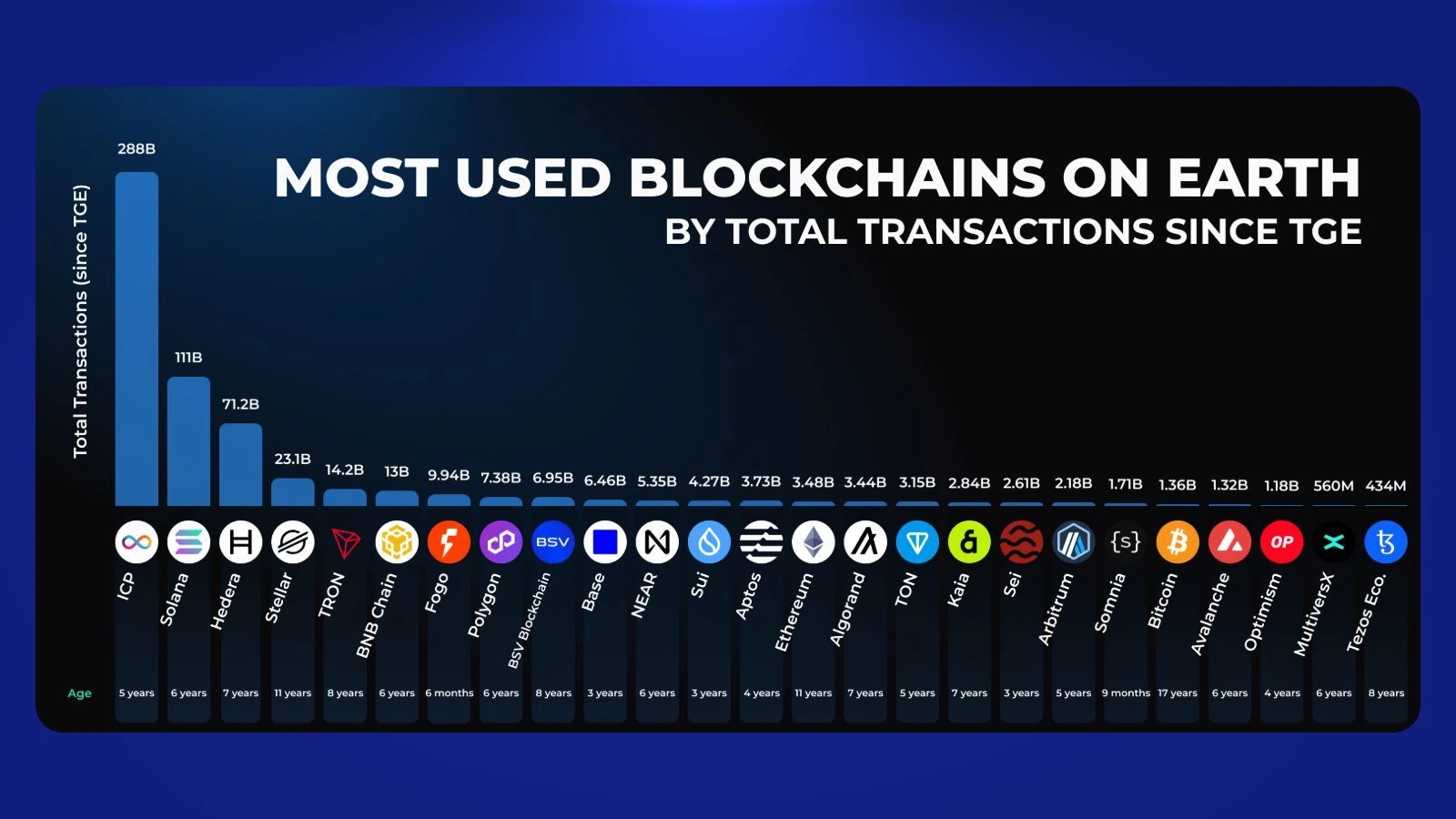
Its focus on predictable fees and scalable infrastructure makes Hedera particularly attractive for applications that may process large numbers of transactions.
As interest in real-world assets (RWAs) continues growing, the network is increasingly being discussed alongside other major tokenization-focused ecosystems.
This positioning has helped strengthen Hedera’s role within the broader narrative surrounding digital financial infrastructure and enterprise blockchain adoption.
Why Institutions Are Watching Hedera
Institutional interest in Hedera has expanded through enterprise partnerships, regulated investment products, and growing tokenization activity.
One of the most visible developments has been the growth of regulated investment vehicles that provide exposure to HBAR, helping traditional investors access the ecosystem through familiar financial structures.
At the same time, institutions are paying closer attention to:
- tokenized asset infrastructure
- stablecoin settlement networks
- enterprise blockchain adoption
- compliant digital asset systems
- real-world financial applications
Hedera’s emphasis on governance, predictable fees, and enterprise participation has helped position the network differently from many retail-focused crypto ecosystems.
As tokenization and digital asset infrastructure continue evolving, networks capable of supporting large-scale financial applications are attracting increasing institutional attention.
McLaren and Real-World Brand Adoption
Hedera’s partnership with McLaren highlights how blockchain infrastructure can support consumer-facing digital experiences and brand engagement.
The collaboration extends beyond simple sponsorship branding and focuses on integrating Web3 experiences into fan interaction.
Areas of collaboration include:
- digital collectibles
- fan engagement initiatives
- blockchain-powered experiences
- Web3 integrations
Partnerships with globally recognized brands help demonstrate how distributed ledger technology can move beyond financial applications and into broader consumer use cases.
For Hedera, these relationships provide visibility outside the traditional crypto audience while showcasing practical examples of how blockchain infrastructure can support large-scale digital experiences.
Risks and Challenges for Hedera
Despite its enterprise-focused positioning, Hedera still faces adoption, competitive, and regulatory challenges.
Like every major digital asset network, long-term success depends on continued ecosystem growth and real-world usage.
Several factors remain important to monitor:
- enterprise adoption rates
- competition from other blockchain ecosystems
- tokenization market growth
- regulatory developments
- developer activity
The network’s governance model is also sometimes debated within the crypto community, particularly by users who prefer more traditional forms of decentralized governance.
As the tokenization and digital asset sectors mature, Hedera will need to continue attracting developers, enterprises, and financial applications to strengthen its position.
Managing HBAR Safely
Secure wallets remain an important part of storing, transferring, and participating in the HBAR ecosystem.
Whether users are holding HBAR for long-term exposure or actively interacting with ecosystem applications, self-custody plays an important role in digital asset management.
Good security practices include:
- protecting recovery phrases
- using trusted wallet software
- securing devices
- monitoring account activity
Atomic Wallet provides a self-custodial environment for managing HBAR alongside thousands of other digital assets while maintaining control of private keys and ownership of funds.
Conclusion: Hedera and the Future of Enterprise Web3
Hedera is building infrastructure designed to connect enterprise adoption, tokenization, and digital asset networks at scale.
Through its Hashgraph consensus model, governing council structure, and focus on real-world applications, the network has established a unique position within the broader digital asset industry.
Its long-term strategy centers around several major trends:
- enterprise blockchain adoption
- tokenized assets
- stablecoin infrastructure
- digital payments
- institutional participation
As financial institutions, technology companies, and global brands continue exploring blockchain-based systems, Hedera is positioning itself as infrastructure capable of supporting large-scale Web3 applications and digital financial networks.