What Is KAST? The Stablecoin Neobank for Global Spending
Stablecoins are increasingly moving beyond trading and becoming part of everyday financial services.
A new generation of companies is building products that combine the convenience of modern banking with the speed and accessibility of blockchain-based assets. Among the most prominent examples is KAST, a platform that enables users to store, earn, transfer, and spend stablecoins through a global financial app designed for a borderless economy.
As stablecoin adoption continues accelerating worldwide, KAST is positioning itself as a bridge between traditional banking experiences and digital asset infrastructure.
Why KAST Is Getting Attention
KAST is attracting attention as one of the fastest-growing stablecoin-focused financial platforms in the market.
The project sits at the intersection of several major trends that are reshaping digital finance.
Key growth drivers include:
- stablecoin adoption
- crypto payment cards
- global financial access
- cross-border payments
- digital banking innovation
Unlike many crypto products focused primarily on trading, KAST aims to provide everyday financial services powered by stablecoins.
This approach has helped the platform gain traction among users looking for alternatives to traditional banking systems while maintaining access to digital asset benefits.
As interest in stablecoin payments continues growing, KAST has emerged as a notable participant in the broader evolution of blockchain-based financial services.
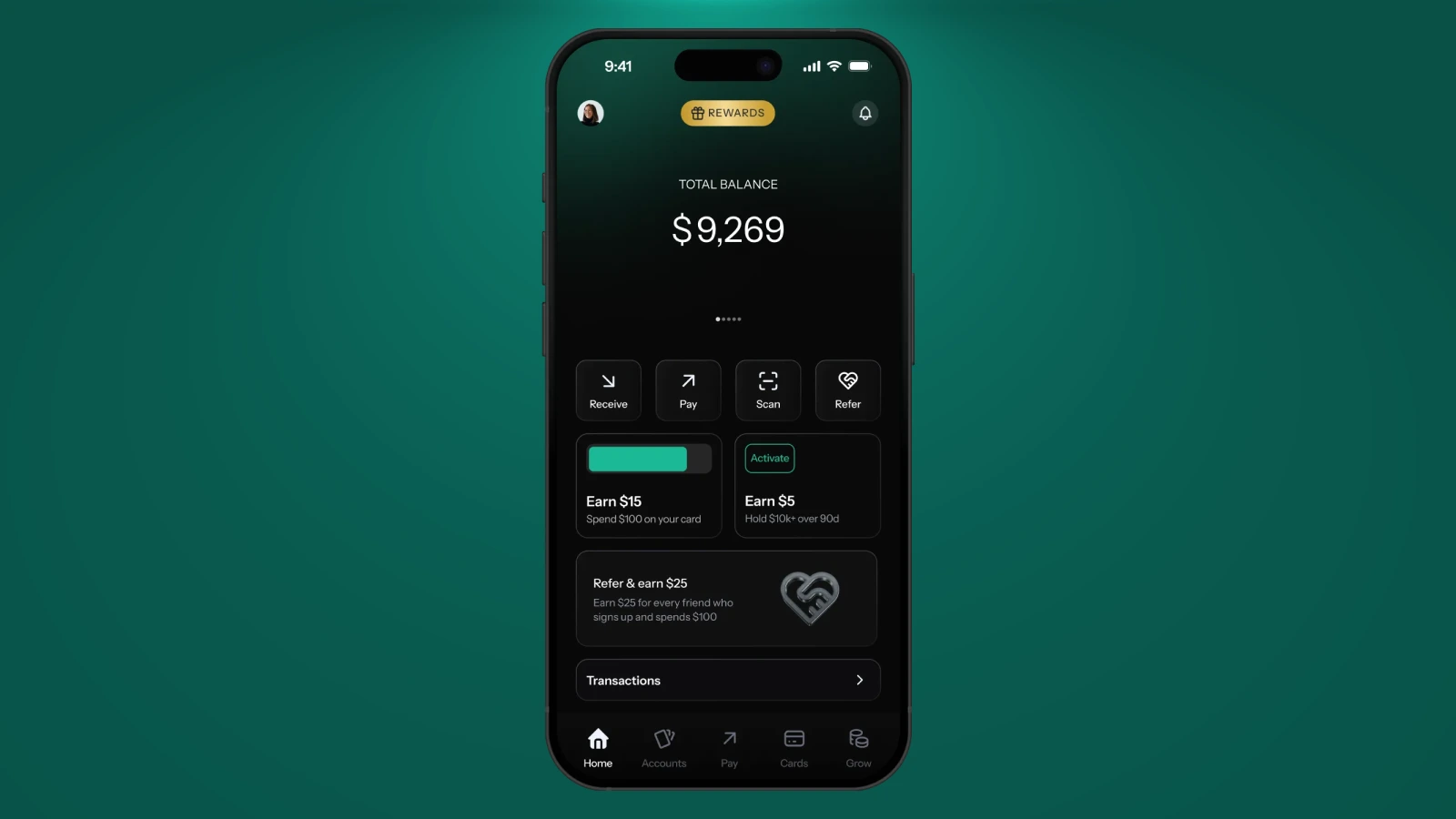
What Is KAST?
KAST is a stablecoin-powered neobank that allows users to store, earn, move, and spend digital dollars through a single platform.
The company is building financial infrastructure designed for global users who want access to modern payment tools without relying entirely on traditional banking networks.
Core services include:
- stablecoin balances
- payment cards
- international transfers
- yield opportunities
- global financial access
Rather than functioning as a cryptocurrency exchange, KAST focuses on creating a banking-style experience built around stablecoin usage.
Its goal is to make digital dollars practical for everyday financial activity, whether users are making purchases, transferring funds internationally, or managing savings through blockchain-based assets.
This combination of stablecoin infrastructure and consumer financial products has led many observers to describe KAST as part of the emerging stablecoin neobank category.
How KAST Works
KAST combines stablecoin accounts, payment infrastructure, and spending tools into a single financial platform.
The platform is designed to make stablecoin usage feel similar to using a modern banking application while preserving the advantages of blockchain-based assets.
Users can perform a variety of financial activities through the app, including:
- holding stablecoins
- sending funds internationally
- receiving payments
- spending through Visa cards
- accessing earning opportunities
Rather than requiring users to navigate multiple crypto products, KAST brings these functions together within a unified experience.
The result is a platform that aims to make stablecoins usable for everyday financial needs rather than limiting them to trading or investment purposes.
KAST Membership Plans
KAST offers multiple membership tiers designed for different spending levels and financial needs.
Each plan includes access to payment cards, stablecoin services, and platform features, while higher tiers provide additional rewards and benefits.
Higher membership tiers also provide enhanced card benefits and additional perks designed for users with larger spending requirements.
This tiered approach allows KAST to serve both everyday users and higher-volume customers seeking more premium financial services.
KAST Crypto Cards Explained
KAST’s payment cards are designed to let users spend stablecoins through the global Visa network.
One of the platform’s primary attractions is its ability to connect digital asset balances with real-world spending.
The cards can be used anywhere Visa is accepted, allowing users to access their funds without needing to manually convert stablecoins before every transaction.
Key features include:
- physical and virtual cards
- global merchant acceptance
- cashback rewards
- stablecoin spending
- premium card tiers
By combining traditional card infrastructure with blockchain-based assets, KAST aims to simplify the process of using stablecoins for everyday purchases.
This model has become increasingly popular as crypto payment products continue gaining traction among users seeking alternatives to conventional banking services.
Global Accounts and Cross-Border Payments
KAST is designed to support international users through digital dollar accounts and borderless payment infrastructure.
Cross-border transfers remain one of the most expensive and fragmented areas of traditional finance.
KAST attempts to address this challenge by enabling users to move stablecoin-based funds globally through a digital-first financial system.
Potential benefits include:
- international transfers
- digital dollar access
- reduced banking friction
- faster settlements
- broader financial accessibility
For many users, the appeal lies in gaining access to global financial tools without navigating the limitations often associated with traditional banking systems, residency requirements, or cross-border payment networks.
As stablecoins continue expanding into mainstream finance, cross-border functionality remains one of the strongest use cases for platforms such as KAST.
Earning Yield With KAST
KAST also incorporates earning opportunities designed to help users generate returns on supported stablecoin balances.
Beyond payments and transfers, the platform aims to provide savings-style functionality through yield-generating products tied to digital dollar assets.
Potential benefits include:
- passive yield opportunities
- stablecoin savings
- portfolio flexibility
- integrated financial management
For users accustomed to traditional banking products, this creates an alternative way to manage digital assets within the same ecosystem used for spending and transfers.
The combination of payments, savings, and stablecoin infrastructure is one of the reasons KAST is often described as a crypto-native banking platform rather than simply a payment application.
Why Investors Are Watching KAST
KAST has attracted significant attention from both users and investors as stablecoin adoption accelerates globally.
The company has reported strong growth metrics that have helped position it among the leading stablecoin-focused financial platforms.
Several factors continue drawing attention:
- more than 1 million users
- approximately $5 billion in annualized transaction volume
- expanding global presence
- rapid revenue growth
- major institutional backing
Investor interest increased further following a major funding round that valued the company at approximately $600 million.
As stablecoins increasingly move from trading tools to payment infrastructure, many market observers view KAST as one of the companies attempting to build the financial services layer around this growing sector.
KAST vs Traditional Banks
KAST aims to deliver many familiar banking functions while using stablecoins as the underlying financial infrastructure.
Although traditional banks remain the primary financial service providers for most consumers, stablecoin-powered platforms offer a different approach to moving and managing money.
The comparison highlights some of the areas where digital asset platforms seek to improve user experience, particularly for international payments and global accessibility.
At the same time, traditional banks continue to offer advantages such as established regulatory frameworks, extensive lending products, and broad consumer familiarity.
As stablecoins gain wider adoption, the relationship between these two models will likely continue evolving.
Risks and Limitations
Despite its growth, KAST faces many of the same challenges that affect the broader stablecoin and digital finance sectors.
Users should understand that stablecoin-powered financial products operate within a rapidly changing regulatory and technological environment.
Some key considerations include:
- regulatory developments
- stablecoin issuer risk
- service availability by region
- compliance requirements
- evolving legal frameworks
Access to specific products and features may also vary depending on local regulations and user eligibility.
As with any financial platform, users should carefully evaluate available services, security practices, and jurisdictional requirements before relying on them for everyday financial activities.
Managing Stablecoins Safely
Secure asset management remains essential when using stablecoin-based financial services.
Whether users hold stablecoins for payments, savings, transfers, or everyday spending, maintaining control over digital assets is an important part of risk management.
Good security practices include:
- protecting recovery phrases
- enabling account security features
- verifying official applications and websites
- monitoring account activity
- using trusted wallet solutions
While platforms like KAST provide convenient financial services, many users also choose to maintain self-custody over a portion of their digital assets.
Atomic Wallet offers a self-custodial environment for storing and managing stablecoins while allowing users to retain ownership of their private keys and funds.
Conclusion: Is KAST the Future of Stablecoin Banking?
KAST represents a growing trend toward financial platforms built around stablecoins rather than traditional banking infrastructure.
By combining digital dollar balances, global payments, earning opportunities, and Visa card spending, the platform aims to make stablecoins practical for everyday financial use.
Its growth reflects several broader trends:
- rising stablecoin adoption
- demand for borderless payments
- growth of crypto payment cards
- expansion of digital financial services
- increasing interest in alternative banking models
As blockchain-based finance continues evolving, platforms like KAST may play an important role in shaping how users store, transfer, and spend value in a global digital economy.