What Is Robinhood Chain? The Layer 2 for Onchain Finance
Blockchain technology is transforming far more than cryptocurrencies.
One of the biggest trends in digital finance is the tokenization of real-world assets, allowing traditional financial products to move onchain and become accessible around the clock. Robinhood Chain is part of that shift, combining blockchain infrastructure with the investing experience millions of users already know.
Built as an Ethereum Layer 2 network, Robinhood Chain is designed to support tokenized assets, decentralized finance, and a new generation of financial applications that operate faster, more transparently, and without many of the limitations of traditional markets.
What Is Robinhood Chain?
Robinhood Chain is an Ethereum Layer 2 blockchain built to power tokenized financial assets and onchain investing.
Unlike the Robinhood brokerage app, Robinhood Chain is blockchain infrastructure designed for developers, financial institutions, and users who want to interact with digital assets directly onchain. The network aims to combine the efficiency of blockchain technology with familiar financial products, creating an ecosystem where investing, trading, and asset management become more accessible.
Robinhood Chain focuses on several key areas:
- tokenized real-world assets (RWAs)
- self-custody and onchain ownership
- decentralized finance (DeFi)
- fast, low-cost transactions
- programmable financial applications
By building on Ethereum’s security while leveraging Layer 2 scalability, Robinhood Chain seeks to provide a foundation for modern financial services that operate 24 hours a day.
Why Robinhood Built Its Own Blockchain
Traditional financial infrastructure was never designed for an always-on digital economy.
Stock markets operate during limited trading hours, cross-border settlements can take days, and expanding financial services globally often requires multiple intermediaries. As tokenization continues gaining momentum, these limitations become increasingly difficult to ignore.
Robinhood built its own blockchain to address those challenges. By moving financial assets onchain, the company aims to support faster settlement, greater transparency, self-custody, and programmable financial services while enabling developers to build new applications on top of an open blockchain infrastructure.
The long-term vision extends beyond cryptocurrency trading. Robinhood Chain is designed to support tokenized stocks, decentralized finance, and future financial products that can operate globally without relying entirely on traditional market infrastructure.
How Robinhood Chain Works
Robinhood Chain combines Ethereum security with Layer 2 scalability to support faster and more efficient financial transactions.
Instead of processing every transaction directly on Ethereum, the network executes activity on its Layer 2 infrastructure before settling it on Ethereum. This approach helps reduce transaction costs while maintaining the security guarantees of the underlying blockchain.
This architecture enables users to trade tokenized assets, interact with decentralized applications, and manage digital investments within a blockchain-native financial ecosystem.
Key Features of Robinhood Chain
Robinhood Chain is designed specifically for onchain finance rather than general-purpose blockchain activity.
Its infrastructure combines traditional financial concepts with decentralized technology, creating an environment where digital assets and tokenized investments can coexist.
Some of its key features include:
Together, these features position Robinhood Chain as a blockchain focused on bringing traditional investing and decentralized finance into a single onchain ecosystem.
What Are Stock Tokens?
Stock Tokens are blockchain-based assets designed to track the price of publicly traded stocks and exchange-traded products (ETPs).
Instead of purchasing shares through traditional market infrastructure, investors can gain blockchain-based exposure to selected assets through tokenized representations. Robinhood Chain introduces Classic Stock Tokens linked to companies and ETFs such as NVIDIA, Microsoft, Apple, and the Vanguard S&P 500 ETF.
Potential benefits of tokenized stocks include:
- blockchain-based ownership and transfers
- simplified access to global markets
- compatibility with decentralized applications
- faster settlement than traditional financial systems
- integration with self-custody wallets
While Stock Tokens are designed to reflect the price of the underlying assets, they are derivatives and are not the same as directly owning traditional shares.
AI Agents and Robinhood
Robinhood is also introducing AI-powered trading tools that can execute strategies on behalf of users.
Through agentic accounts, eligible users can connect third-party AI models to analyze markets, monitor portfolios, rebalance positions, and submit trades according to predefined rules. Instead of approving every transaction manually, users define spending limits, risk parameters, and trading objectives while maintaining overall control of their accounts.
Robinhood’s approach reflects a broader industry trend toward AI-assisted investing, where intelligent agents help automate portfolio management while operating within user-defined guardrails. Rather than replacing investors, these tools are designed to improve efficiency and simplify decision-making in increasingly complex financial markets.
Robinhood Chain Ecosystem
Robinhood Chain is quickly developing into an ecosystem of financial applications built around onchain investing.
Alongside established DeFi protocols, the network is attracting new developers building products for trading, lending, liquidity, tokenized assets, and community-driven finance. As adoption grows, users gain access to an expanding range of services without leaving the blockchain ecosystem.
The growing ecosystem includes:
- decentralized exchanges (DEXs)
- lending and borrowing protocols
- liquidity markets
- tokenized asset platforms
- wallets and developer tools
- emerging chain-native applications
As more developers launch on Robinhood Chain, the ecosystem is expected to expand beyond investing into broader financial services powered by blockchain technology.
Robinhood Chain’s Rapid Growth
Robinhood Chain has recorded strong early adoption following its launch.
Within a short period, the network attracted significant liquidity, growing transaction activity, and an expanding developer ecosystem. Early momentum has been driven by both established DeFi protocols and new applications built specifically for Robinhood Chain.
Some of the network’s early milestones include:
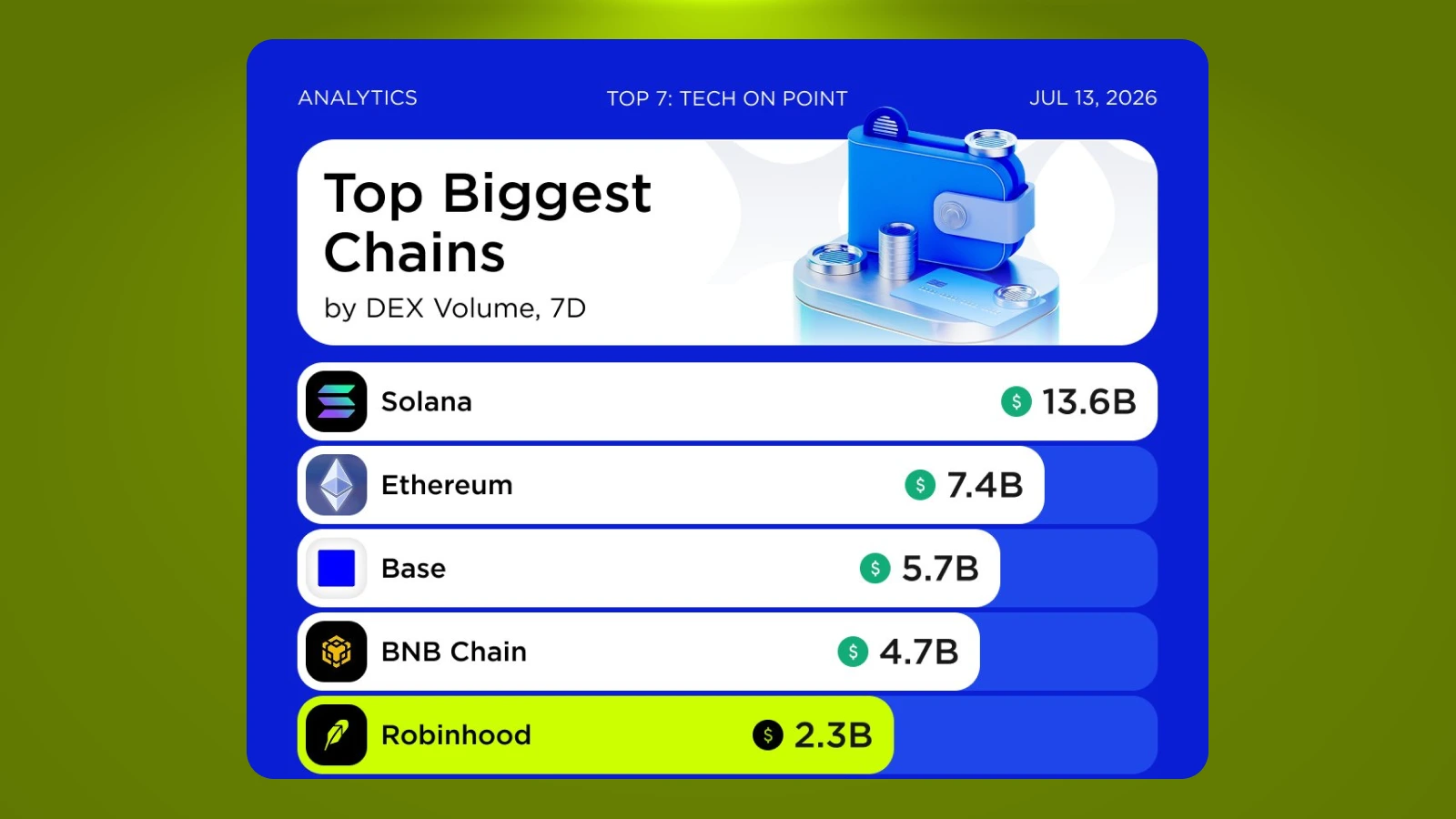
- billions of dollars in weekly DEX trading volume
- hundreds of millions of dollars in total value locked (TVL)
- rapid growth in daily active wallet addresses
- thousands of newly launched tokens and applications
- increasing adoption of tokenized financial products
While the ecosystem is still in its early stages, these metrics suggest growing interest in blockchain-based financial infrastructure and tokenized investing.
Managing Digital Assets Securely
Onchain finance gives users more control, but that control comes with greater responsibility.
Tokenized assets, cryptocurrencies, and DeFi positions can be managed through self-custody wallets without relying entirely on a brokerage or centralized platform. Users control their private keys, connect directly to applications, and approve transactions themselves.
That flexibility also introduces risks. Fake applications, malicious approvals, phishing links, and exposed recovery phrases can give attackers access to wallet funds.
Basic security practices include:
- storing your recovery phrase offline
- verifying applications before connecting a wallet
- reviewing transaction details before signing
- avoiding unknown tokens and unaudited protocols
- separating long-term holdings from active DeFi funds
Atomic Wallet allows users to manage cryptocurrencies and other supported digital assets through a self-custody wallet, keeping private keys under their control while accessing a broader multi-chain portfolio.
Conclusion: Robinhood’s Next Chapter
Robinhood Chain represents a larger shift from digital brokerage toward open, programmable financial infrastructure.
The network brings together several trends that were previously developing separately: tokenized stocks, decentralized finance, self-custody, AI-assisted trading, and blockchain-based settlement.
Its early growth shows that demand for onchain financial products exists. The harder question is whether that activity can remain sustainable once initial incentives, speculative trading, and launch momentum begin to fade.
Robinhood brings a major advantage into that competition: an established consumer brand and millions of existing brokerage users. If even a small portion of that audience moves onchain, Robinhood Chain could become a meaningful bridge between traditional investing and decentralized finance.
Success will ultimately depend on more than transaction volume. The network must attract reliable applications, deepen liquidity, protect users, and prove that tokenized finance offers lasting advantages over existing market infrastructure.