What Is Stable? The Layer 1 Built for USDT Payments
Stablecoins have become one of the most widely used forms of digital money, but the blockchains they run on weren’t built specifically for payments.
Users still deal with fluctuating gas fees, fragmented liquidity, and the need to hold separate tokens just to pay transaction costs. Stable was created to solve those challenges by building a blockchain designed around one purpose: making stablecoin payments faster, simpler, and more predictable.
Powered by USDT0 as its native gas token, Stable is introducing a new category of blockchain infrastructure known as a stablechain—a Layer 1 network optimized for moving digital dollars at internet speed.
What Is Stable?
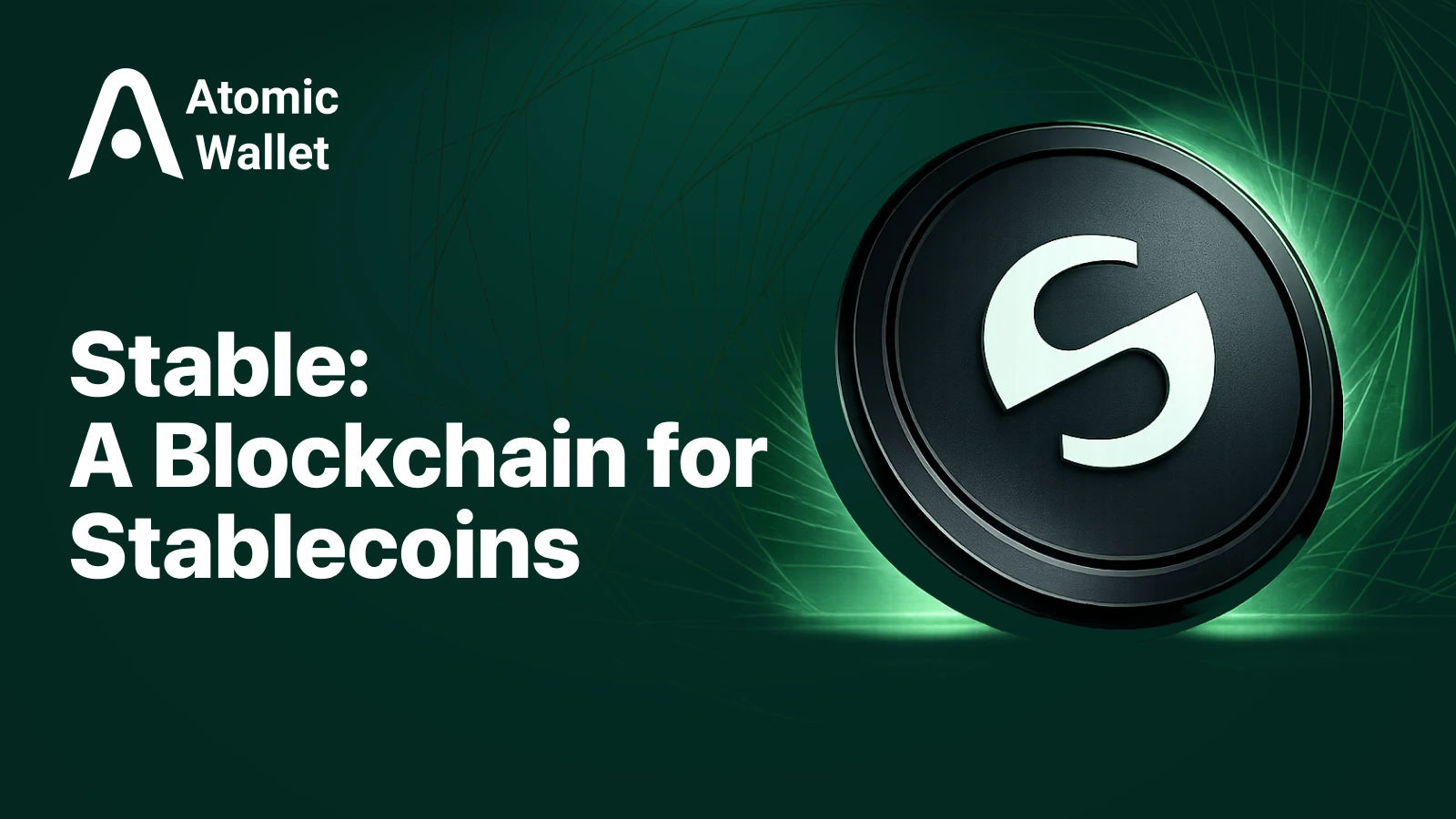
Stable is a Layer 1 blockchain built specifically for stablecoin payments and settlement.
Unlike general-purpose blockchains that support thousands of different applications, Stable focuses on one core use case: enabling fast, low-cost payments using stablecoins. The network is fully compatible with the Ethereum Virtual Machine (EVM), allowing developers to deploy existing smart contracts and tools without major changes.
Stable is designed around several key principles:
- USDT0 as the native gas token
- payment-first blockchain architecture
- fast transaction finality
- predictable network fees
- full EVM compatibility
By making stablecoins the foundation of the network rather than just another supported asset, Stable aims to simplify digital payments for users, businesses, and developers alike.
Why Stable Was Created
Traditional blockchains weren’t optimized for everyday payments.
Networks like Ethereum support a wide range of decentralized applications, but users often need to manage multiple assets, pay fluctuating gas fees, and navigate changing network conditions. These trade-offs make simple payments more complicated than they need to be.
Stable takes a different approach by focusing exclusively on payment infrastructure. Instead of requiring a separate gas token, the network uses USDT0 for transaction fees, creating a more familiar payment experience where users only need one asset to send value.
As stablecoin adoption continues to grow worldwide, Stable represents a broader shift toward stablechains—blockchains purpose-built for payments, settlement, and digital commerce rather than general-purpose computing.
How Stable Works
Stable is designed to make sending digital dollars as simple as sending a message.
The network uses USDT0 not only as the primary payment asset but also as the token used to pay transaction fees. This removes one of the biggest pain points found on many blockchains, where users must keep a separate cryptocurrency solely to cover gas costs.
Stable also combines sub-second transaction finality with a simplified fee model, allowing payments to settle quickly while keeping costs predictable. For developers, the network remains fully EVM compatible, making it easy to deploy existing Ethereum applications without learning a new programming environment.
Key Features of Stable
Stable combines familiar Ethereum development tools with infrastructure built specifically for payments.
Rather than trying to support every possible blockchain use case, the network prioritizes speed, simplicity, and efficiency for moving stablecoins.
Some of Stable’s key features include:
- USDT0 as the native gas token
- sub-second transaction finality
- predictable, low-cost transaction fees
- full Ethereum Virtual Machine (EVM) compatibility
- delegated Proof-of-Stake (dPoS) consensus
- infrastructure optimized for stablecoin payments
Together, these features position Stable as a blockchain built to simplify global payments while maintaining compatibility with the broader Ethereum ecosystem.
What Is the STABLE Token?
STABLE is the governance token that supports the operation and long-term development of the Stable network.
While USDT0 is used for payments and gas fees, the STABLE token serves a different purpose. It helps secure the blockchain through delegated Proof-of-Stake (dPoS), allows token holders to participate in governance, and gives eligible stakers access to a share of the network’s gas revenue distributed by validators.
The STABLE token is designed to support the ecosystem by enabling:
- protocol governance
- validator staking and network security
- participation in protocol upgrades
- revenue sharing from USDT0 gas fees
This separation between the payment asset and the governance token allows Stable to optimize the network for everyday transactions while maintaining decentralized network operations.
STABLE Tokenomics
STABLE has a fixed maximum supply of 100 billion tokens.
The token allocation is designed to balance ecosystem growth, long-term development, and community participation while aligning incentives between users, validators, developers, and investors.
Most ecosystem tokens are released gradually over several years to support developer grants, user incentives, partnerships, liquidity programs, and continued network expansion. Team and investor allocations follow long-term vesting schedules intended to encourage sustained participation in the project’s growth.
StablePay: Everyday USDT Payments
StablePay brings the Stable network’s payment infrastructure into a simple consumer application.
Built around USDT, the app allows users to send and receive digital dollars quickly without worrying about separate gas tokens or complicated wallet interactions. The goal is to make stablecoin payments feel as seamless as traditional digital payment apps while preserving the advantages of blockchain settlement.
StablePay is designed for everyday use cases such as:
- peer-to-peer transfers
- international payments
- merchant purchases
- family remittances
- everyday digital payments
By combining fast settlement with a familiar user experience, StablePay helps demonstrate how stablecoins can be used beyond trading and decentralized finance.
Why Stablechains Are the Next Payment Narrative
Stablecoins have already become one of crypto’s most successful products. The next evolution may be the blockchains built specifically for them.
Most stablecoins currently operate on general-purpose networks such as Ethereum, Tron, and Solana. While these blockchains support a wide range of applications, they were not designed exclusively for payments.
Stablechains take a different approach by optimizing every part of the network around stablecoin transfers, settlement, and financial infrastructure.
Potential advantages include:
- stablecoin-native transaction fees
- predictable payment costs
- faster transaction finality
- infrastructure designed for payments
- simplified user experience
As more payment providers and financial applications adopt stablecoins, dedicated payment-focused blockchains could become an increasingly important part of the digital payments ecosystem.
Stable’s Growth
Stable is expanding beyond blockchain infrastructure into a broader payment ecosystem.
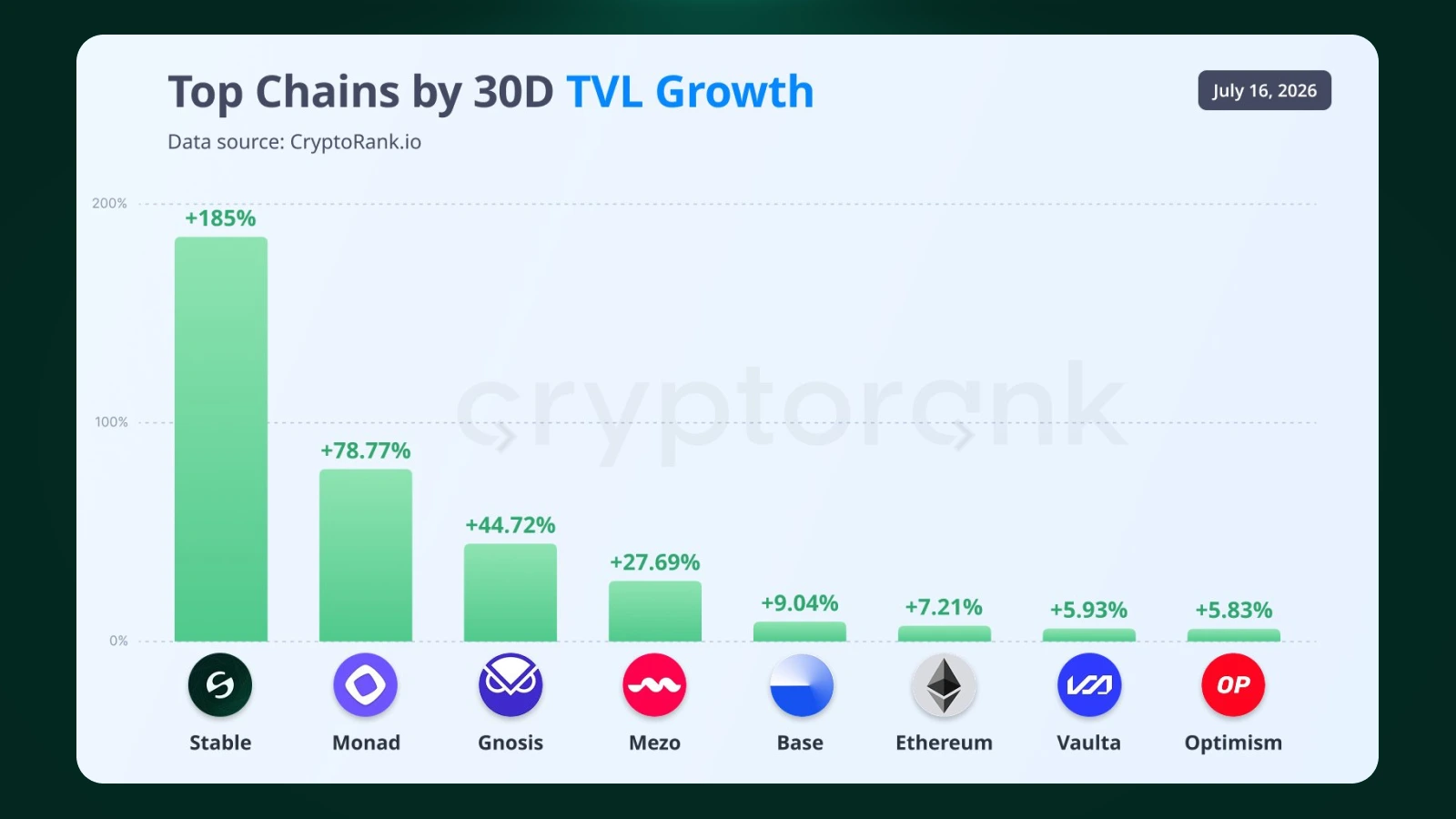
Since launch, the network has attracted growing liquidity, introduced consumer-facing payment products, and continued building partnerships across both the crypto and fintech industries. This momentum reflects increasing interest in blockchains designed specifically for stablecoin payments rather than general-purpose applications.
Some recent milestones include:
- strong 30-day growth in total value locked (TVL)
- the launch of StablePay for everyday USDT payments
- backing from Bitfinex, PayPal Ventures, and the USDT0 ecosystem
- continued expansion of payment-focused infrastructure and developer tools
As adoption grows, Stable aims to position itself as a dedicated settlement layer for global stablecoin transactions.
Managing USDT Securely
Whether you’re making payments or holding digital dollars, secure storage remains essential.
Using a self-custody wallet gives you full control over your USDT and other digital assets without relying on a third party. It also allows you to manage your funds across multiple blockchain networks while keeping your private keys under your control.
To improve your security:
- store your recovery phrase offline
- never share your private keys
- verify wallet addresses before sending funds
- keep your wallet software updated
- beware of phishing websites and fake wallet applications
Atomic Wallet provides a secure way to manage USDT and hundreds of other digital assets from a single self-custody wallet, helping you stay in control of your crypto wherever you use it.
Conclusion: A New Era for Stablecoin Payments
Stable is rethinking blockchain infrastructure by putting stablecoins at the center of the network.
Instead of treating USDT as just another supported asset, Stable builds its entire ecosystem around fast, low-cost payments, predictable fees, and a simpler user experience. From using USDT0 as the native gas token to powering applications like StablePay, the network is designed specifically for moving digital dollars.
As stablecoin adoption continues to grow across payments, remittances, and global commerce, purpose-built blockchains like Stable could become an important part of the next generation of financial infrastructure.