AVAX Wallet: How to Store and Manage Avalanche Securely
Managing AVAX starts with choosing the right wallet.
Whether you’re holding AVAX as a long-term investment, staking to earn rewards, or exploring Avalanche’s growing ecosystem of decentralized applications, a secure wallet gives you full control over your assets while protecting your private keys and recovery phrase.
This guide explains what an AVAX wallet is, how to set one up, how Avalanche’s networks work, and the best practices for storing and managing your AVAX securely.
What Is an AVAX Wallet?
An AVAX wallet is a crypto wallet that allows you to store, send, receive, and manage Avalanche (AVAX).
Unlike a traditional bank account, a self-custody AVAX wallet gives you direct ownership of your cryptocurrency. You control your private keys and recovery phrase, meaning only you can authorize transactions and access your funds.
Modern AVAX wallets do much more than simply hold coins. Depending on the wallet, you can also:
- send and receive AVAX
- manage Avalanche-based tokens
- connect to decentralized applications (dApps)
- participate in staking
- interact with the broader Avalanche ecosystem
Because Avalanche supports multiple networks for different purposes, using a compatible wallet also helps ensure your transactions are sent over the correct chain.
Why Use a Self-Custody Wallet for AVAX?
A self-custody wallet puts you—not an exchange or third party—in control of your AVAX.
When your coins remain on a centralized platform, you depend on that service to safeguard your assets and provide access to them. With a self-custody wallet, you hold the private keys yourself, allowing you to access your AVAX whenever you choose while reducing reliance on external custodians.
Beyond ownership, self-custody unlocks the full Avalanche experience.
It allows you to interact directly with decentralized finance (DeFi) applications, participate in staking, manage Avalanche-native tokens, and connect with the growing ecosystem of Web3 services built on the network—all from a single wallet under your control.
How to Set Up an AVAX Wallet
Getting started with AVAX only takes a few minutes.
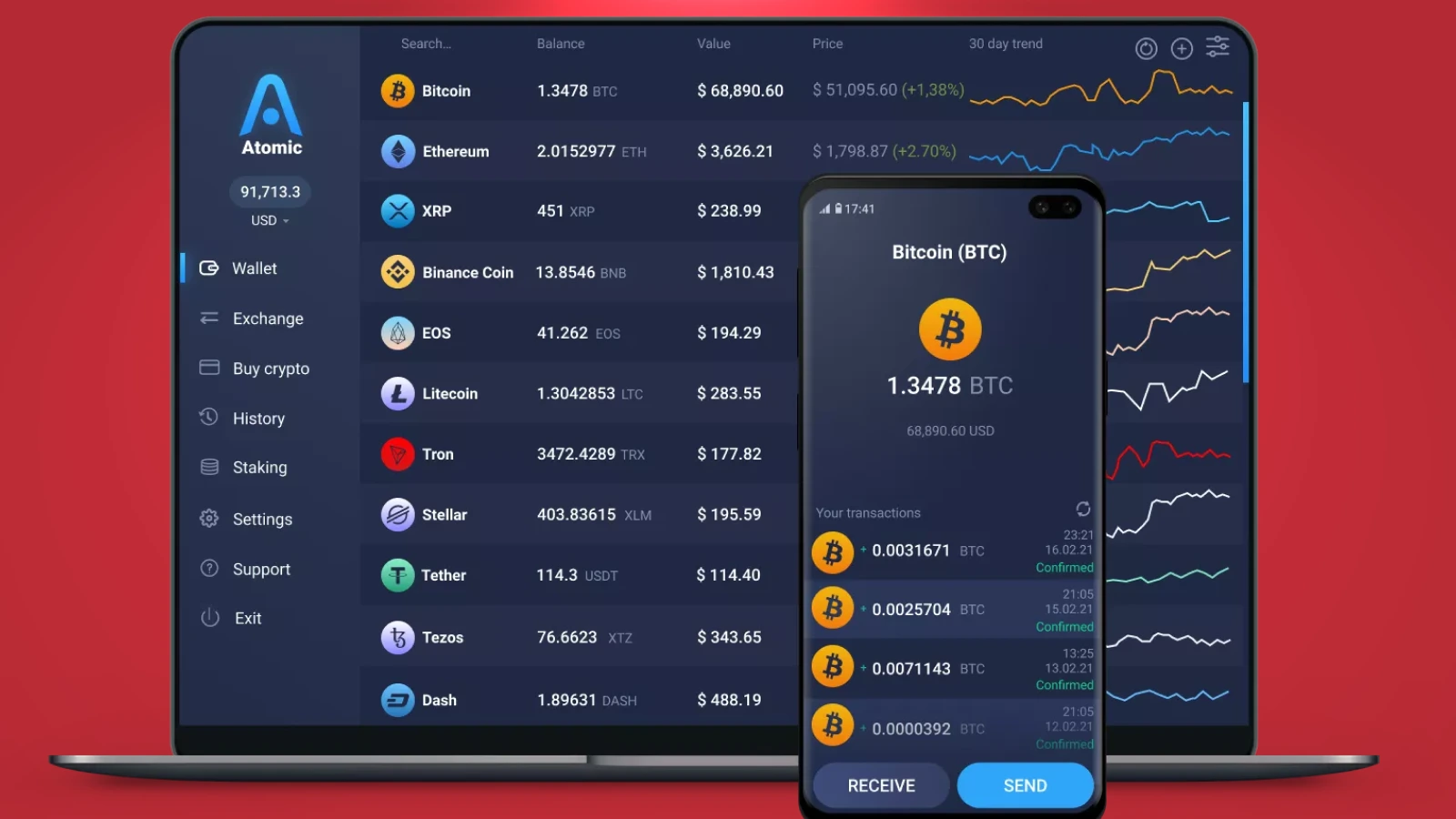
1. Download Atomic Wallet
Install Atomic Wallet on your desktop or mobile device. If you're new to crypto, create a new wallet. If you already have one, you can restore it using your existing recovery phrase.
2. Secure Your Recovery Phrase
During setup, you'll receive a recovery phrase that acts as the master backup for your wallet. Write it down, store it offline, and never share it with anyone. Anyone who has access to your recovery phrase can control your crypto assets.
3. Add or Receive AVAX
Once your wallet is ready, open the AVAX asset page to receive Avalanche from another wallet or exchange. You can also buy AVAX directly through supported purchase providers integrated into the wallet.
Understanding Avalanche's Networks
One of the most common mistakes new AVAX users make is confusing Avalanche's different networks.
Unlike many blockchains, Avalanche is built around three integrated chains, each designed for a specific purpose. Knowing which one you're using helps prevent failed transactions and ensures your assets are sent to the correct destination.
For most users, the C-Chain is the network they'll interact with most often. It's where decentralized applications, tokens, and the majority of wallet activity take place.
Before sending AVAX, always verify that both the sender and recipient support the same Avalanche network.
What Can You Do With an AVAX Wallet?
An AVAX wallet is your gateway to the Avalanche ecosystem.
Beyond storing your coins, a wallet gives you access to the network’s core features and the applications built on it. As the Avalanche ecosystem continues to expand, an AVAX wallet becomes the central place for managing both your assets and your onchain activity.
With an AVAX wallet, you can:
- send and receive AVAX
- stake AVAX to help secure the network
- manage Avalanche-based tokens
- connect to DeFi applications
- interact with NFT marketplaces and Web3 services
- access applications built on Avalanche subnets
Whether you’re making payments, earning staking rewards, or exploring decentralized finance, your wallet is the tool that connects you to the network.
Avalanche Today: Why the Ecosystem Keeps Growing
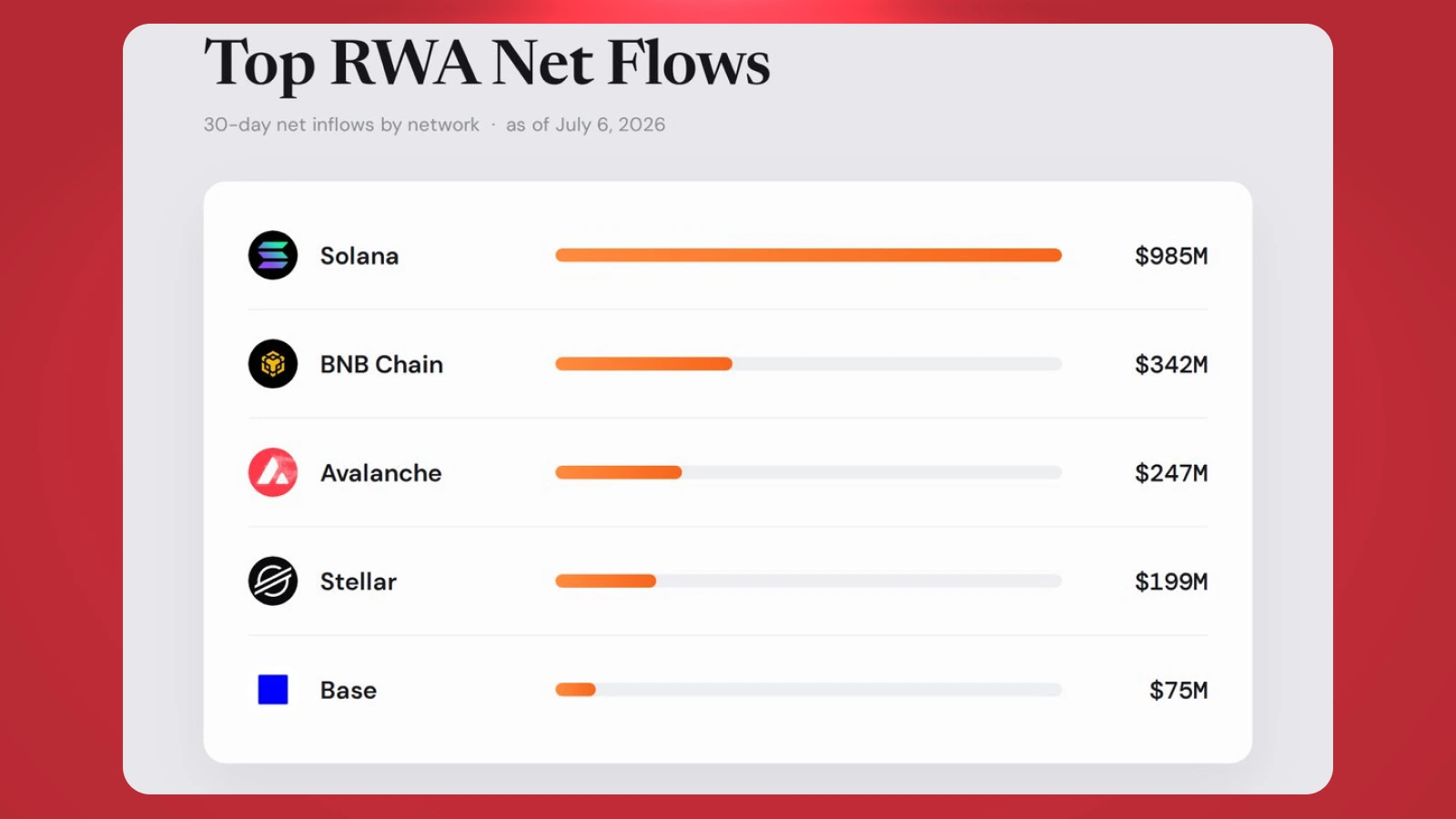
Avalanche has grown far beyond being another Layer 1 blockchain.
The network continues to attract developers, enterprises, and institutional interest through its focus on scalability, fast finality, and customizable blockchain infrastructure.
Several milestones highlight that growth:
- more than 1.4 billion transactions processed
- over 600 validators securing the network
- growing adoption of Avalanche for enterprise payment pilots
- continued ecosystem expansion through builder grants
- increasing activity across decentralized finance and Web3 applications
This ongoing development helps explain why AVAX remains one of the leading blockchain ecosystems and why secure wallet management is an important first step for anyone looking to participate in it.
Common AVAX Wallet Mistakes
Most wallet issues are caused by simple user errors—not problems with the Avalanche network itself.
Taking a few extra moments before confirming a transaction can help you avoid mistakes that may be difficult or impossible to reverse.
Some of the most common issues include:
- sending AVAX over the wrong Avalanche network
- confusing the C-Chain, P-Chain, and X-Chain
- entering an incorrect wallet address
- failing to back up your recovery phrase
- interacting with fake wallet websites or phishing links
Verifying network details, checking recipient addresses, and protecting your recovery phrase are among the most effective ways to keep your AVAX secure.
Tips for Keeping Your AVAX Secure
Good security habits are just as important as choosing the right wallet.
A self-custody wallet gives you full control over your assets, but it also makes you responsible for protecting them. Following a few simple best practices can significantly reduce the risk of losing access to your AVAX.
To improve your wallet security:
- store your recovery phrase offline in a secure location
- never share your private keys or recovery phrase
- keep your wallet software updated
- verify website URLs before connecting your wallet
- be cautious of phishing emails, fake support accounts, and scam applications
Protecting your wallet begins with protecting the information that gives access to it. Small security precautions today can help prevent permanent losses in the future.
Conclusion: Choose the Right Wallet for AVAX
A secure wallet is more than a place to store AVAX—it's your gateway to the entire Avalanche ecosystem.
From sending and receiving transactions to staking, exploring DeFi, and interacting with decentralized applications, an AVAX wallet allows you to manage your assets while maintaining full control over your private keys.
Choosing a trusted self-custody wallet, understanding Avalanche's networks, and following basic security best practices will help you use AVAX with confidence.
Whether you're buying AVAX for the first time or actively participating in the Avalanche ecosystem, secure wallet management is the foundation of protecting your digital assets.