Cardano Staking: How to Stake ADA and Maximize Rewards
Cardano staking allows ADA holders to earn passive rewards by delegating their tokens to stake pools that help validate transactions and secure the blockchain. The network operates on the Ouroboros Proof-of-Stake protocol, where delegated stake contributes to slot leader selection and overall network consensus. By participating in staking, users support decentralization while generating predictable yield from their ADA holdings.
- passive income earned in ADA
- no token lock-up required for delegation
- rewards distributed automatically every epoch
- supports network security and decentralization
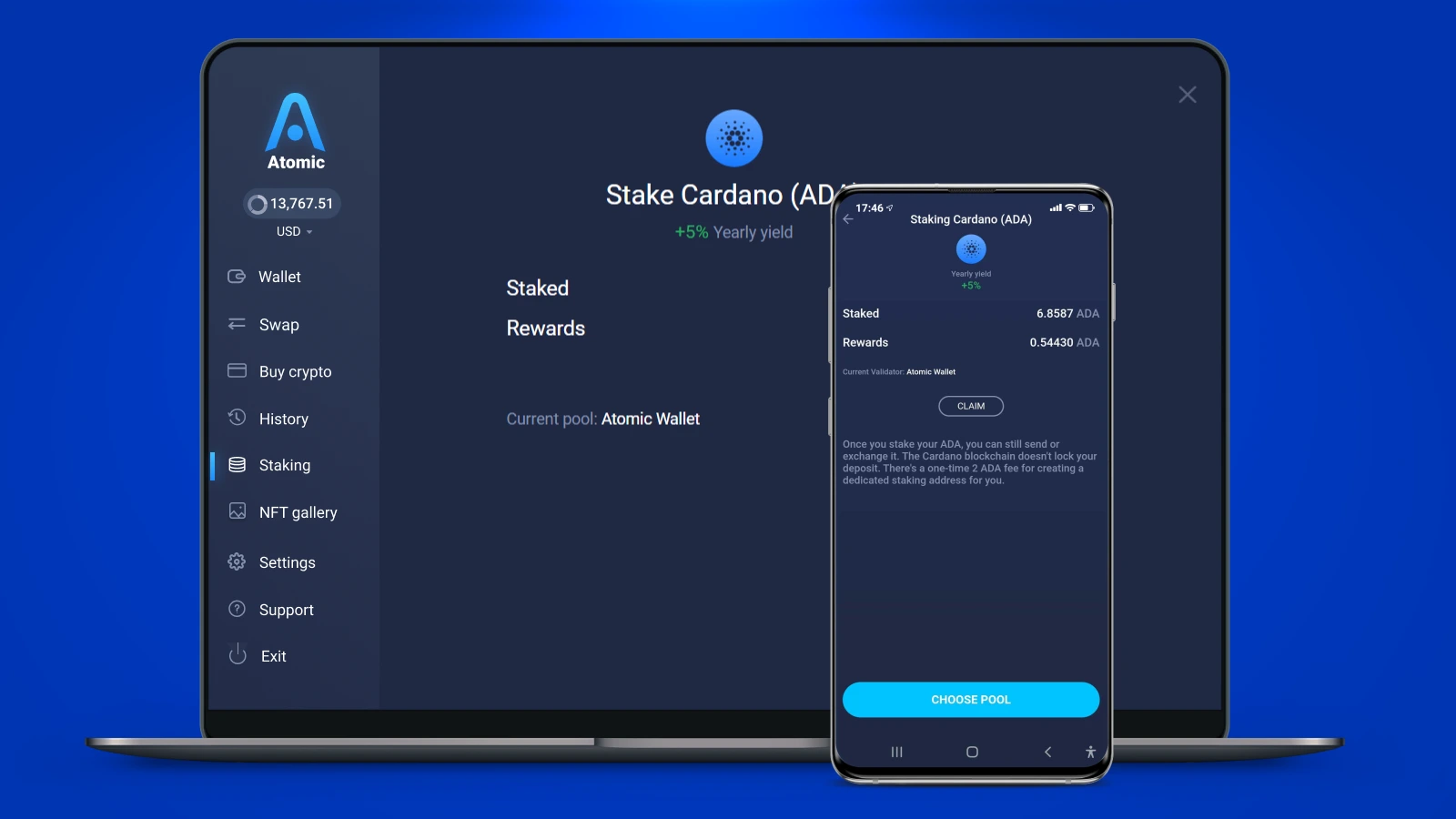
How Cardano Staking Works
When users stake ADA, they delegate their balance to a selected stake pool rather than transferring ownership of the tokens. Stake pools are responsible for producing blocks and validating transactions, with rewards distributed based on pool performance, total delegated stake, and network parameters.
Cardano uses a saturation mechanism designed to prevent excessive concentration of stake in a single pool. If a pool becomes too large, its relative rewards decrease, encouraging users to spread delegation across multiple pools and strengthening overall network decentralization. Rewards are automatically added to the staking balance, creating a compounding yield effect over time.
Cardano Staking Rewards: APY and Yield Factors
Cardano staking rewards are generated through protocol incentives and distributed to delegators based on the performance and size of the selected stake pool. Average staking yields typically remain in the low-single-digit annual range, making ADA staking a steady long-term income strategy rather than a high-yield opportunity. Actual returns depend on network parameters, total staked supply, and pool saturation levels.
- typical staking rewards range around 3–5% APY
- automatic reward compounding increases effective yield over time
- long-term staking helps smooth short-term market fluctuations
How to Stake Cardano: Step-by-Step Guide
Staking ADA can be completed in a few simple steps without locking tokens or transferring custody. Delegation activates participation in network validation while allowing users to maintain full control over their funds.
- Create or access a non-custodial wallet that supports Cardano staking.
- Deposit or transfer ADA to your wallet balance.
- Choose a stake pool based on performance, fees, and saturation level.
- Delegate your ADA to the selected pool to start earning rewards.
- Monitor staking performance and rewards directly in your wallet.
Cardano Staking Without Lock-Up: Liquidity Advantage
Unlike many proof-of-stake networks, Cardano does not require users to lock tokens when delegating to a stake pool. ADA remains fully accessible in the wallet while rewards continue to accrue based on the actively delegated balance.
Risks of Cardano Staking
Although Cardano staking is considered a relatively low-risk yield strategy, several factors can influence actual rewards and overall staking efficiency.
- stake pool underperformance may reduce expected rewards
- reward dilution can occur as total network stake increases
- ADA price volatility affects real yield value
- platform risks may apply depending on wallet or service used
Is Cardano Staking Worth It
Cardano staking can be a practical strategy for ADA holders looking to generate steady passive income while maintaining full control over their funds. With predictable reward distribution and no mandatory lock-up, staking adds a yield layer to long-term holding and allows users to participate in network decentralization as the Cardano ecosystem evolves.
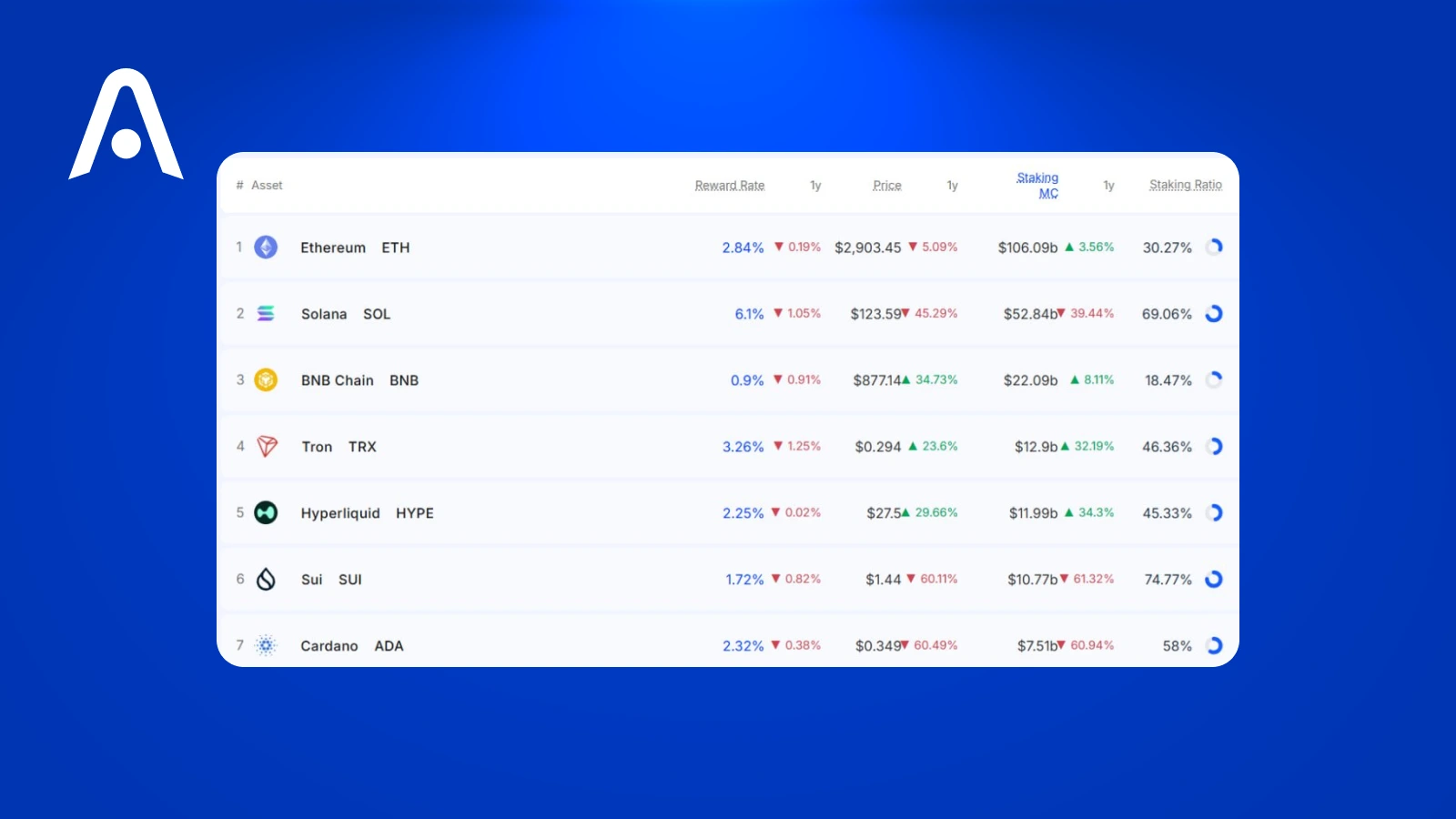
Stake ADA Smarter with a Non-Custodial Wallet
Using a non-custodial wallet enables users to stake ADA while keeping full ownership of their private keys and maintaining direct control over delegation decisions. This approach reduces reliance on centralized platforms and allows staking rewards to be managed transparently within a single interface.
Atomic Wallet provides a built-in staking experience that simplifies stake pool selection, reward tracking, and overall portfolio management. This makes it easier for both new and experienced users to optimize their Cardano staking strategy while preserving liquidity and long-term control over their funds.