Cosmos Staking: How to Stake ATOM and Earn Rewards
Cosmos staking allows ATOM holders to earn rewards by delegating their tokens to validators that secure the Cosmos Hub and process transactions. The network operates on a Proof-of-Stake model where delegated stake contributes to consensus and governance participation. By staking ATOM, users help maintain network security while generating yield distributed through validator performance and protocol incentives.
- passive income earned in ATOM
- supports network consensus and block validation
- governance participation enabled through bonded stake
- rewards distributed via validator-based mechanisms
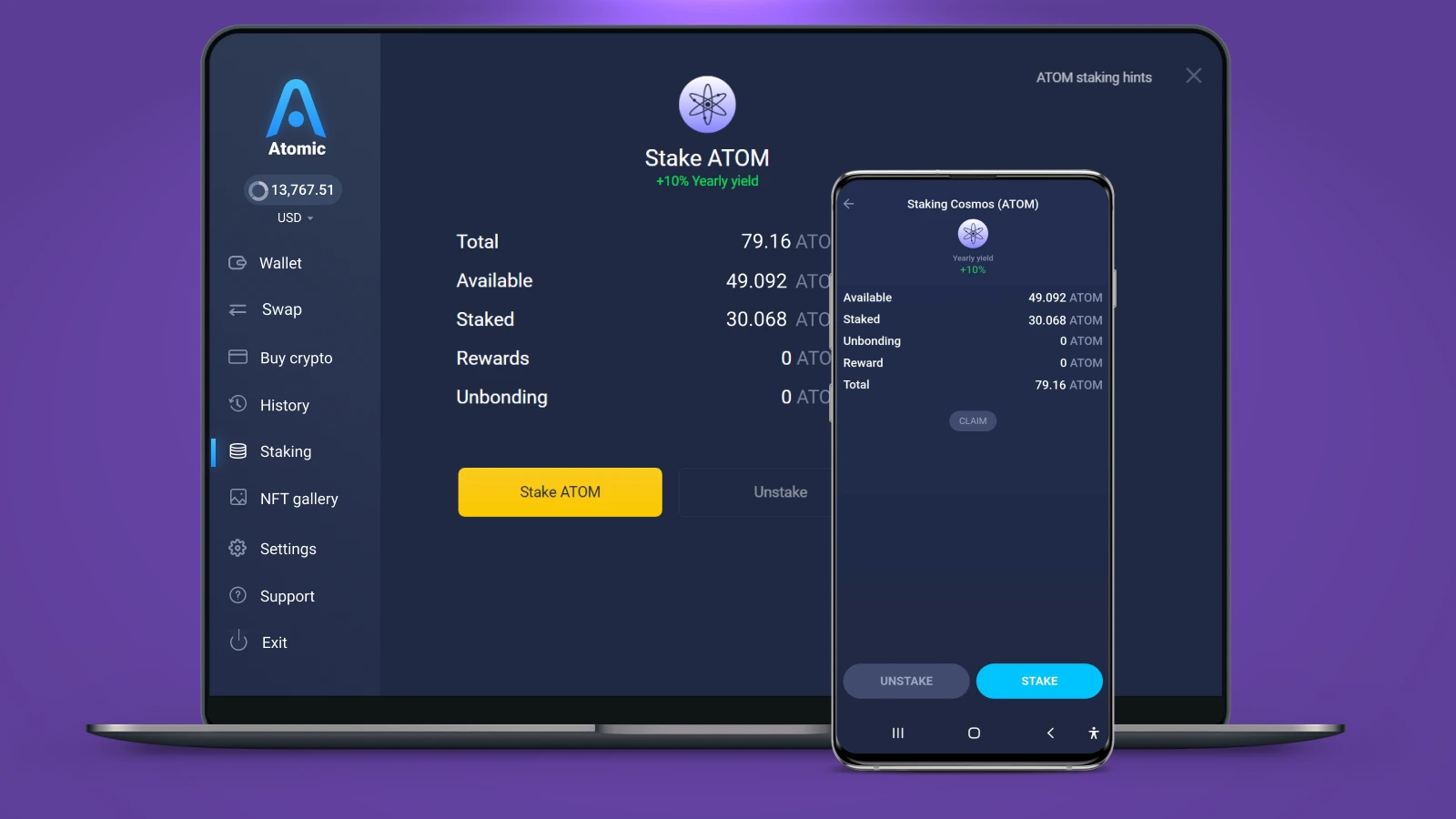
How ATOM Staking Works
When users stake ATOM, their tokens become bonded to a selected validator that participates in block production and network voting. Validators are ranked by total delegated stake, which influences their probability of earning rewards. Delegators receive a proportional share of these rewards after the validator’s commission is deducted.
Staking incentives on Cosmos Hub are influenced by network inflation dynamics and overall bonded ratio. Rewards are distributed continuously and automatically increase the bonded balance, creating a compounding yield effect over time. Choosing reliable validators with stable performance and competitive commission rates is essential for optimizing long-term staking returns.
Cosmos Staking Rewards: APY and Yield Factors
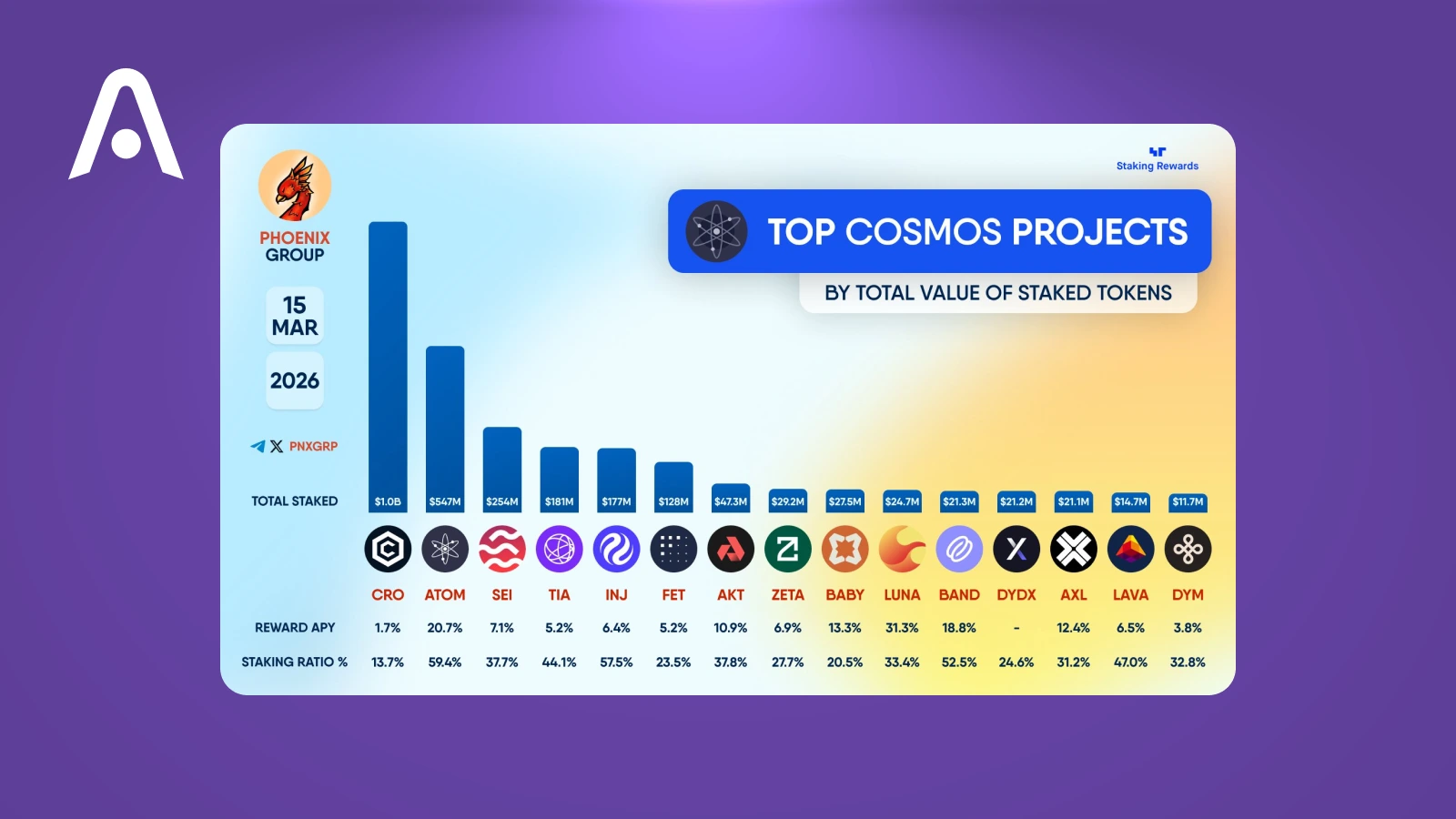
ATOM staking rewards are generated through a combination of network inflation and transaction fees, with yields dynamically adjusting based on overall network participation. The effective annual return depends on validator performance, total bonded supply, and protocol parameters designed to incentivize staking activity and maintain network security.
- staking rewards can reach double-digit annual levels depending on network conditions
- yield varies as the bonded ratio and inflation rate change
- automatic compounding gradually increases the total staked balance
21-Day Unbonding Period Explained
Unstaking ATOM involves an unbonding period during which tokens remain illiquid before becoming transferable again. This mechanism is designed to stabilize network security by discouraging rapid stake movement. However, Cosmos also allows redelegation to another validator without waiting through the full unbonding cycle, providing additional flexibility for managing staking positions.
- unstaking requires a waiting period of around 21 days
- redelegation can help avoid a full liquidity delay
- lock-up dynamics may impact short-term trading strategies
How to Stake Cosmos (ATOM): Step-by-Step Guide
Staking ATOM can be completed through a non-custodial wallet that supports Cosmos delegation features. The process involves selecting a validator, bonding tokens, and monitoring reward accumulation over time.
- Create or access a non-custodial wallet that supports Cosmos staking.
- Deposit or transfer ATOM to your wallet balance.
- Choose a validator based on commission rates, performance, and reputation.
- Delegate ATOM to the selected validator to activate staking.
- Track rewards and validator performance directly in your wallet.
Native vs Liquid Staking on Cosmos Hub
Cosmos Hub supports both traditional validator delegation and liquid staking approaches designed to improve capital efficiency. While native staking bonds ATOM directly to validators, liquid staking protocols tokenize staked positions to enable additional DeFi participation.
Risks of ATOM Staking
While staking ATOM can provide attractive rewards, delegators should consider several factors that may influence returns and liquidity.
- slashing risk if a validator behaves improperly or experiences severe faults
- validator downtime can reduce expected reward distribution
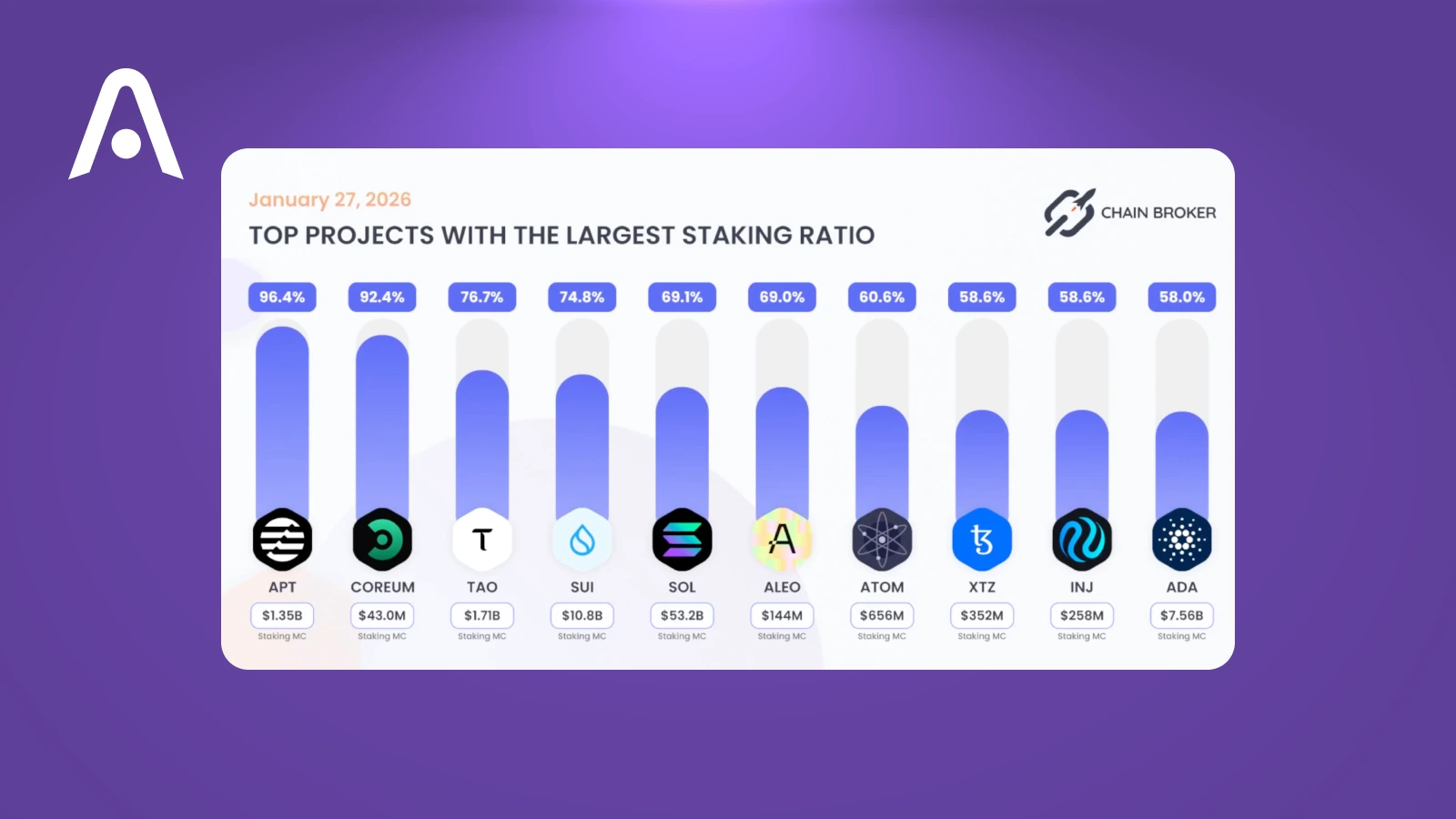
- yield variability driven by inflation changes and network participation
- 21-day unbonding period limits short-term liquidity
- platform risk when staking through custodial services
Is Cosmos Staking Worth It
Cosmos staking can be a compelling strategy for long-term ATOM holders seeking higher yield potential while contributing to network security and governance. By bonding tokens and participating in validator-based consensus, users can combine passive income generation with active involvement in the evolution of the Cosmos Hub ecosystem.
Stake ATOM Smarter with a Non-Custodial Wallet
Staking ATOM through a non-custodial wallet allows users to retain full control over their private keys while delegating tokens directly to Cosmos Hub validators. This approach reduces reliance on centralized platforms and enables transparent reward tracking within a secure wallet environment.
Atomic Wallet provides an integrated staking interface that simplifies validator selection, delegation management, and portfolio monitoring. Users can start earning ATOM rewards in just a few steps while maintaining long-term control over their funds and staking strategy.