How to Sell Pi Coin? Full Breakdown
Pi Network has been around for years, and millions of users (“Pioneers”) have accumulated balances they can see in the app but can’t freely use outside it. So when people search “How to sell Pi Coin,” it’s usually out of the same frustration: I’ve mined this for so long — why can’t I cash out?
On top of that, some exchanges show a “PI” price, social media pushes screenshots of unrealistically high valuations, and rumors about listings never stop. This article clears that up: what is actually possible today, what is not, and what selling Pi might look like once (or if) the network fully opens.
What Is Pi Coin?
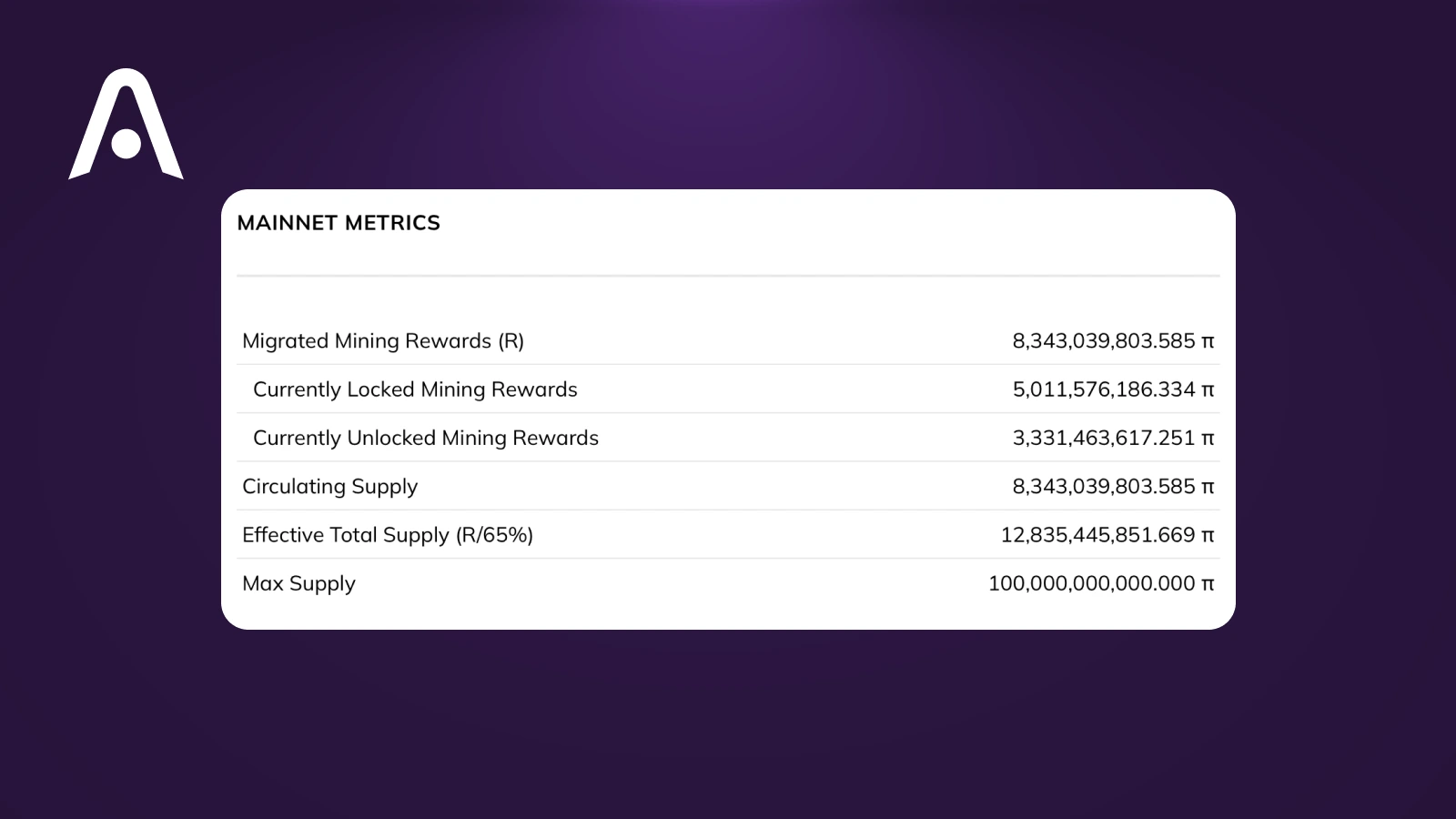
Pi Coin is the native token of Pi Network, but it lives on an Enclosed Mainnet — a closed environment where transfers are limited and external connectivity is disabled. In practice, that means Pi is still stuck inside its own ecosystem and cannot move to normal crypto wallets or exchanges.
Right now:
- Pi is not listed on any official, fully integrated exchange.
- The mainnet is enclosed, with no open bridge to other blockchains.
- Not all users have passed KYC, so many balances aren’t even fully unlocked.
- There is no real liquidity for Pi outside the Pi ecosystem.
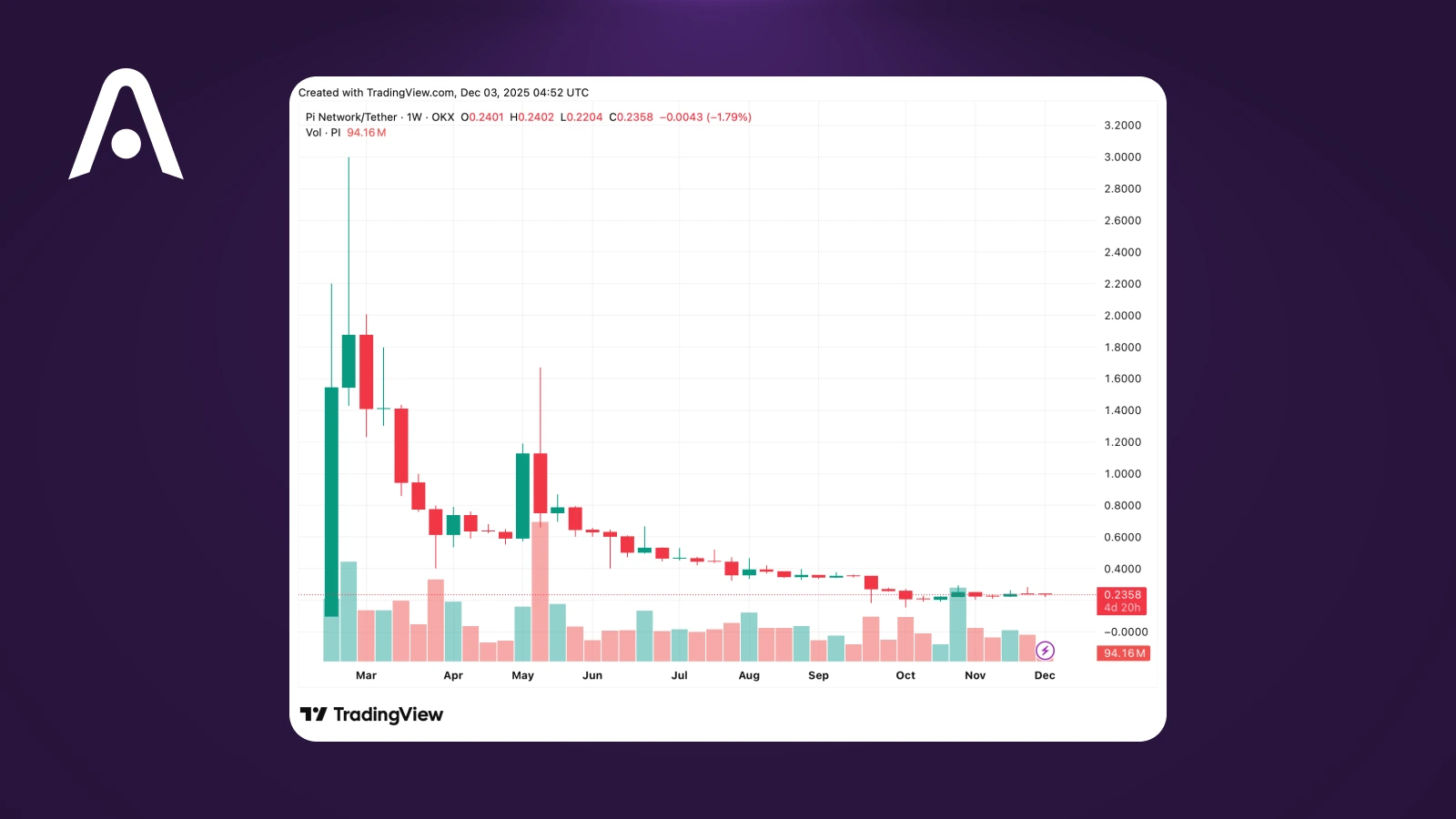
- Any “PI” trading you see on exchanges is an IOU or synthetic, not actual Pi from the Pi Network mainnet.
Until the network moves to an open, externally connected mainnet, Pi remains a closed-system asset — usable in limited ways inside the ecosystem, but not something you can truly sell on the wider crypto market.
Can You Sell Pi Coin Right Now?
Officially — no, you cannot sell real Pi Coin yet. Pi Network has not enabled external transfers, CEX deposits, or open-market trading. Any method that sends Pi outside the enclosed mainnet violates Pi Network’s rules.
There are unofficial workarounds (P2P swaps, OTC deals, bartering), but none of them are supported by the Pi Core Team — and all carry high risk, from account locking to direct loss of funds.
In short: there is no legal or legitimate way to sell real Pi Coin today. Anything you see on exchanges is an IOU or a price placeholder, not actual Pi.
Why Pi Is Not Tradable Until Open Mainnet
Pi remains locked inside the Enclosed Mainnet environment because the network is still completing its core prerequisites: full KYC rollout, ecosystem migration, and compliance preparation. Without external transferability, real Pi cannot move to exchanges or wallets outside the network.
Key reasons include:
- the network is isolated — no external bridges or withdrawals yet;
- exchanges can’t list Pi because they cannot verify real tokens;
- millions of users still need to complete KYC;
- the team is preventing speculative trading and fake markets.
Until Pi Network officially switches to Open Mainnet, selling Pi on the open market simply isn’t possible — technically, legally, or practically.
Risks of Trying to Sell Pi Coin Early
Attempting to sell Pi before Open Mainnet unlocks is not just inconvenient — it’s dangerous. Users routinely lose their Pi, their accounts, or their money due to unregulated transactions.
Major risks include:
- Account suspension or permanent lock for violating Pi policies.
- Scams and impersonators, especially in OTC deals.
- No market pricing — you often get an arbitrary “price” far from what the real Pi value may be.
- Zero recourse — if a buyer disappears, the Pi Core Team cannot help recover your coins.
Any attempt to sell Pi early is a gamble with both your coins and your account.
What Will Change After Open Mainnet
Once Pi Network enables the Open Mainnet, everything shifts: Pi will finally be transferable outside the enclosed ecosystem, giving it real liquidity and a discoverable market price. Users will be able to move Pi to external wallets, exchanges will be able to list the asset, and real trading pairs (Pi/USDT, Pi/BTC, Pi/USD) will emerge across CEX and DEX platforms.
This transition also means proper price discovery, normal order books, and the ability to convert Pi into other crypto or fiat — all within a regulated, fully unlocked environment.
How You Will Be Able to Sell Pi Coin Legally
Once the Pi Core Team activates external transfers, selling Pi will follow a clear, official process:
- Complete KYC to unlock your Pi for Mainnet migration.
- Activate your Mainnet Wallet and transfer your Pi from the enclosed network.
- Enable external transfers once the network officially allows them.
- Send Pi to a supporting exchange (CEX or DEX).
- Trade Pi for crypto or fiat using standard market pairs.
This is the only safe, compliant, and guaranteed method to sell Pi — and it will become available only after Open Mainnet launches.
Avoiding Scams While Waiting for Mainnet
While the Pi community waits for Open Mainnet, scams are at an all-time high. Avoid any service claiming to “unlock,” “convert,” or “exchange” Pi — none of these are legitimate. IOU prices on exchanges do not represent real Pi value, and sending Pi to strangers for OTC deals is the fastest way to lose it permanently.
Stick strictly to official Pi Network channels and avoid sharing personal data, seed phrases, or login credentials under any circumstances.
When Will Pi Coin Be Listed? (Realistic Expectations)
Pi Network has not announced a listing date. Any claims of a confirmed timeline are rumors. The real schedule depends entirely on two milestones: full KYC coverage across the ecosystem and the successful transition to Open Mainnet.
Until Pi reaches those milestones, no exchange can legally or technically list real Pi — only IOU placeholders exist, and they should not be treated as real prices.
Store and Manage Crypto Safely With Atomic Wallet
While you wait for Pi Network’s Open Mainnet, you can still manage the rest of your crypto portfolio safely. Atomic Wallet offers secure self-custody, full control over your keys, and easy access to major assets and stablecoins.
It’s a simple way to organize your holdings, prepare liquidity for future Pi trading, and stay fully independent — no registrations, no custodians, no restrictions