Polymarket on Telegram: A New Era for Prediction Markets
Prediction markets have spent years proving they can attract attention.
Now they are trying to solve a different problem: distribution.
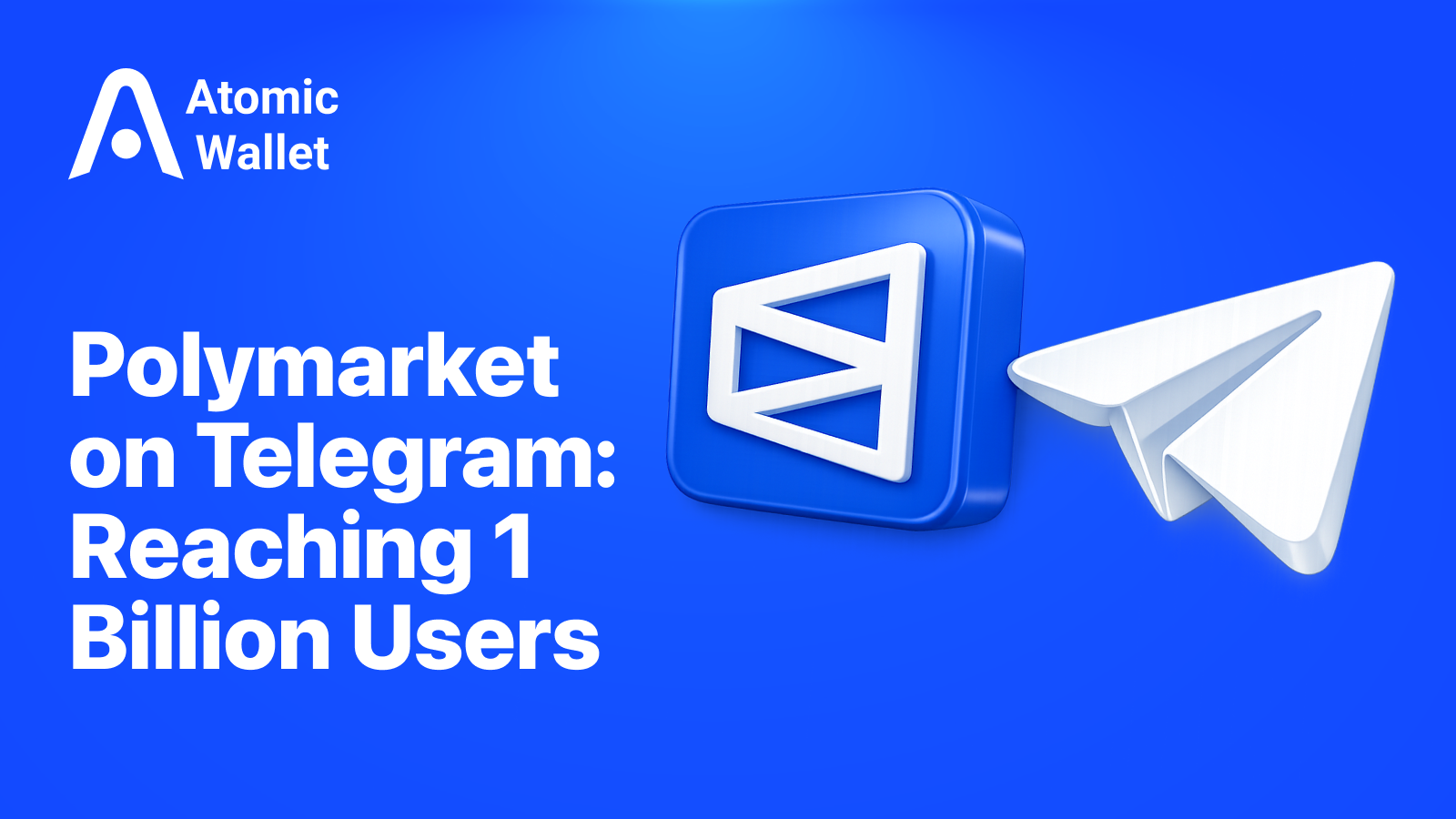
Polymarket, the largest prediction market platform in crypto, is now available inside Telegram through a mini app called Predicton. The integration allows users to access prediction markets directly from the messaging app, using TON-native wallets and USDT while interacting with markets powered by Polymarket’s liquidity and pricing infrastructure.
On the surface, this looks like another product launch.
In reality, it may represent a much larger shift. Prediction markets are moving beyond dedicated crypto platforms and into applications that people already use every day. Instead of asking users to discover prediction markets, create accounts, navigate wallets, and learn new interfaces, the industry is increasingly bringing markets directly to where attention already exists.
For a sector built around forecasting real-world events, that could be a major milestone.
Why This Launch Matters
The significance of this launch has less to do with technology and more to do with accessibility.
Prediction markets have become one of the fastest-growing information products on the internet. Millions of dollars are traded on elections, sports, economics, and breaking news events because markets often provide a real-time snapshot of collective expectations.
Yet participating has traditionally required several steps that many mainstream users never completed.
A typical user often needed to:
- find a prediction market platform
- create or connect a crypto wallet
- acquire supported assets
- manage network fees
- learn a new interface
Every additional step reduced adoption.
Telegram changes that equation. With more than a billion users globally, the platform already serves as a hub for crypto communities, traders, sports fans, and news consumers. Bringing prediction markets directly into that environment dramatically shortens the distance between following an event and expressing a view on its outcome.
That reduction in friction may ultimately prove more important than any individual feature introduced by the integration itself.
The Biggest Problem Was Never Prediction Markets
People did not need to be convinced to make predictions. They were already doing it every day.
Sports fans debate match results before kickoff. Traders speculate on economic data before it’s released. Political observers argue about election outcomes months in advance. The demand for forecasting has always existed.
The challenge was turning that interest into participation.
Prediction markets often lived behind multiple layers of friction. Users needed to leave the platforms where conversations were happening, navigate to a separate application, connect a wallet, fund an account, and understand how the market worked before placing a position.
For crypto-native users, that process was manageable.
For everyone else, it was often enough to stop them from participating entirely.
This is why distribution matters so much. The biggest obstacle to adoption was not the concept of prediction markets. It was the gap between curiosity and action.
Integrations like Telegram help close that gap.
How Polymarket Works Inside Telegram
The experience is designed to feel closer to a consumer app than a traditional crypto product.
Instead of opening a separate prediction market platform, users can access markets directly through the Predicton mini app within Telegram.
The process is straightforward:
- Open Telegram
- Launch Predicton
- Connect a TON wallet
- Fund with USDT
- Start trading prediction markets
Behind the scenes, Polymarket continues to provide the market infrastructure, including liquidity and pricing. Users still interact with real prediction markets, but the experience is packaged inside an application they already use daily.
Another important detail is friction reduction.
Gas costs are abstracted away from the user experience, removing one of the most common pain points associated with onchain applications. For many newcomers, this may be the first time they interact with blockchain infrastructure without needing to think about network fees at all.
That simplicity is precisely what makes the launch noteworthy. The easier prediction markets become to access, the larger the potential audience becomes.
Why Telegram Is the Perfect Platform
Prediction markets thrive where conversations happen.
People rarely discover a major news story, sports event, or political development by visiting a prediction market first. They see it on social media, discuss it in group chats, follow updates from journalists, and debate possible outcomes with friends and communities.
Telegram already sits at the center of many of those interactions.
The platform hosts some of the largest crypto communities in the world, but its reach extends far beyond digital assets. Sports groups, trading communities, news channels, and interest-based communities generate a constant flow of discussions about future events.
Prediction markets fit naturally into that environment.
Instead of separating conversation from participation, Telegram allows both to happen within the same ecosystem. Users can read about an event, discuss it, and potentially place a prediction without leaving the app.
That convenience may prove to be one of the strongest growth drivers for the sector.
World Cup 2026 Shows the Opportunity
Few events demonstrate the potential of prediction markets better than the World Cup.
Major sporting events generate enormous amounts of attention in a very short period of time. Fans follow breaking news, discuss matchups, debate favorites, and constantly reassess their expectations as tournaments unfold.
Prediction markets turn those opinions into real-time probabilities.
During the 2026 World Cup, markets tracking the tournament have generated billions of dollars in trading volume, with activity spread across outright winners, individual matches, and countless event-specific outcomes. Unlike traditional betting products, prediction markets continuously update to reflect changing expectations as new information enters the market.
The connection to Telegram is obvious.
Many fans already follow tournament updates through mobile devices and messaging apps. They discuss matches in group chats, share highlights, and react to breaking developments throughout the day.
By bringing prediction markets directly into Telegram, the distance between following the tournament and participating in a market becomes significantly smaller.
For prediction market platforms, that creates an opportunity to meet users exactly where their attention already is.
Mobile Is Becoming the Default Experience
The future of prediction markets may be decided on mobile devices rather than desktop screens.
Most people consume information through their phones. News breaks on mobile, sports are followed on mobile, and financial discussions increasingly happen inside messaging apps and social platforms.
Prediction markets are following the same trend.
The most successful consumer products reduce the number of steps between interest and action. If someone reads a headline about an election, sees breaking economic data, or follows a World Cup match, the ability to instantly act on that information creates a very different experience from opening a separate platform hours later.
This is what makes Telegram important.
The app is already part of users’ daily habits. By embedding prediction markets directly into that environment, platforms can capture attention at the exact moment people are thinking about future outcomes.
In many ways, the industry is moving from destination-based products to embedded experiences.
What This Means for Polymarket and TON
The partnership creates strategic advantages for both sides.
For Polymarket, the opportunity is distribution.
The platform already dominates the prediction market sector in terms of brand recognition, liquidity, and market activity. Telegram provides something different: access to a massive audience that may never have visited a dedicated prediction market website.
Together, the partnership highlights a larger trend across crypto: distribution is becoming just as important as infrastructure.
Are Prediction Markets Going Mainstream?
The strongest signal may not be rising trading volumes. It may be where prediction markets are starting to appear.
For years, prediction markets were largely confined to niche platforms used by traders, political enthusiasts, and crypto-native users. Today, they are increasingly moving into environments with mainstream audiences.
The Telegram integration is part of a broader shift.
Prediction markets are becoming more visible during elections, major sporting events, economic announcements, and breaking news cycles. Rather than existing on the edge of the internet, they are gradually becoming another way people consume and interpret information.
This trend is changing how the sector is viewed.
Instead of being treated purely as speculative products, prediction markets are increasingly functioning as real-time indicators of collective expectations. For many users, market probabilities have become another data point alongside polls, expert opinions, and traditional news coverage.
The easier these markets become to access, the more likely that shift continues.
Risks and Challenges
Accessibility solves one problem, but it does not solve every challenge facing prediction markets.
Regulation remains one of the biggest uncertainties. Different jurisdictions continue to take different approaches toward prediction markets, which can affect product availability and long-term growth.
There are also operational considerations.
Prediction markets depend on liquidity, market integrity, and user trust. Expanding distribution is valuable, but maintaining reliable markets at scale is equally important.
Other challenges include:
- regulatory uncertainty
- regional restrictions
- user education
- competition from other platforms
- liquidity fragmentation
The Telegram launch reduces friction, but long-term adoption will still depend on whether prediction markets can continue attracting users beyond major news events and sports tournaments.
Trade Prediction Markets on Atomic Wallet Mobile
Prediction markets are no longer tied to desktop platforms or complicated setup flows.
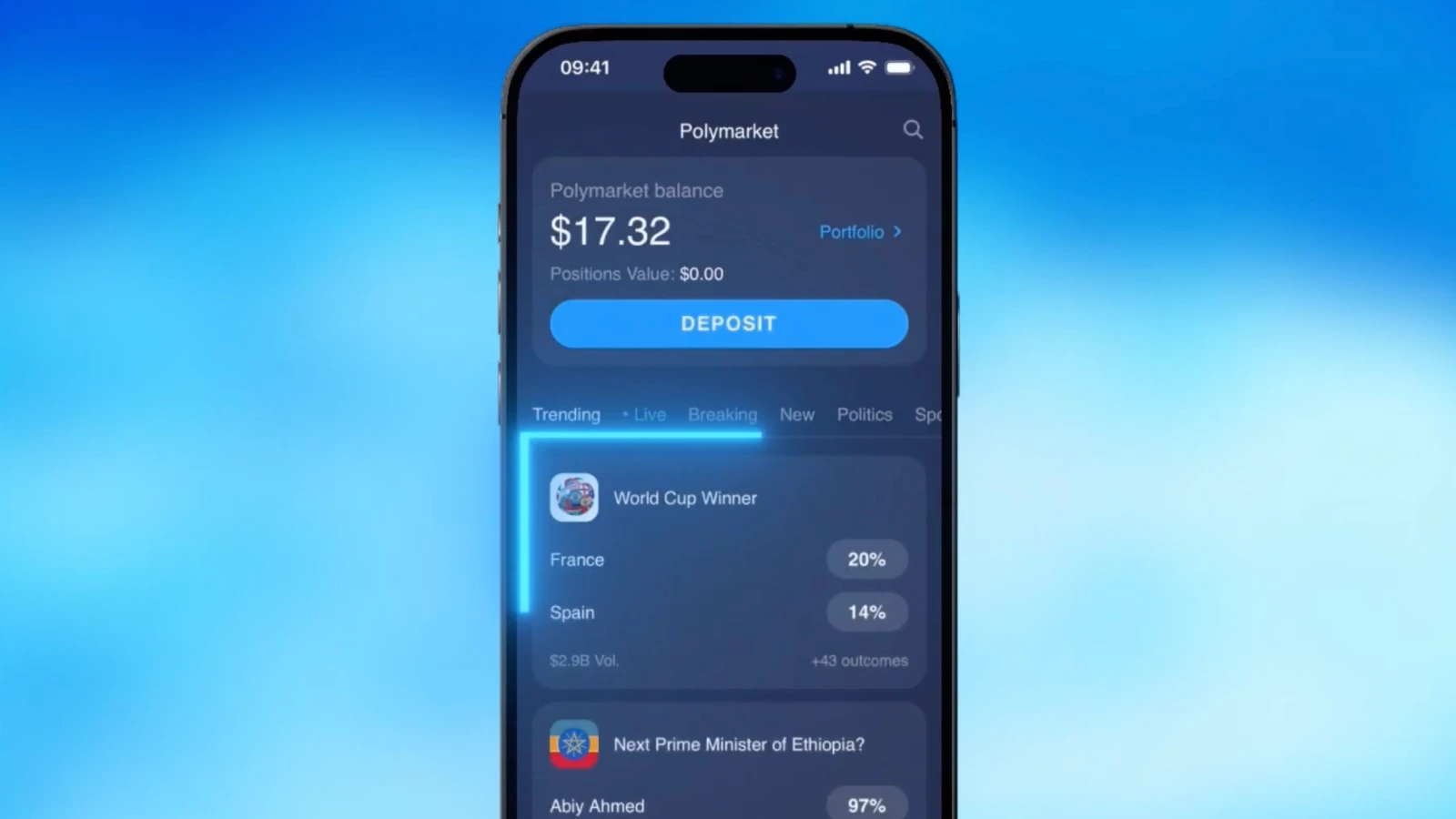
Atomic Wallet now lets users access prediction markets directly from their phones. Users can open the app, tap Poly, choose an event, set an amount, and trade markets across Bitcoin, sports, politics, and other real-time narratives.
For faster markets, Atomic also offers Live Markets — short 5-minute markets where users can pick Up or Down and close positions anytime.
What users get on Atomic Wallet Mobile:
- react when news breaks
- trade 5-minute markets
- follow real-time probability moves
- access markets on Android and iOS
- no new account or complex setup
Conclusion: The Distance Between News and Prediction Markets Is Shrinking
The most important part of the Telegram launch may be what it removes.
For years, prediction markets required users to actively seek them out. People had to leave the places where conversations were happening and navigate dedicated platforms before they could participate.
That model is changing.
With Polymarket now accessible through Telegram, prediction markets are moving closer to the environments where people already discuss politics, sports, finance, and breaking news. The gap between hearing about an event and expressing a view on its outcome is becoming increasingly small.
Whether this becomes a defining moment for the industry remains to be seen.
What is clear is that prediction markets are becoming easier to access, more mobile, and more integrated into everyday digital experiences. For a sector built around forecasting the future, that may be one of the most important developments yet.