What Are Real-World Assets (RWA) in Crypto?
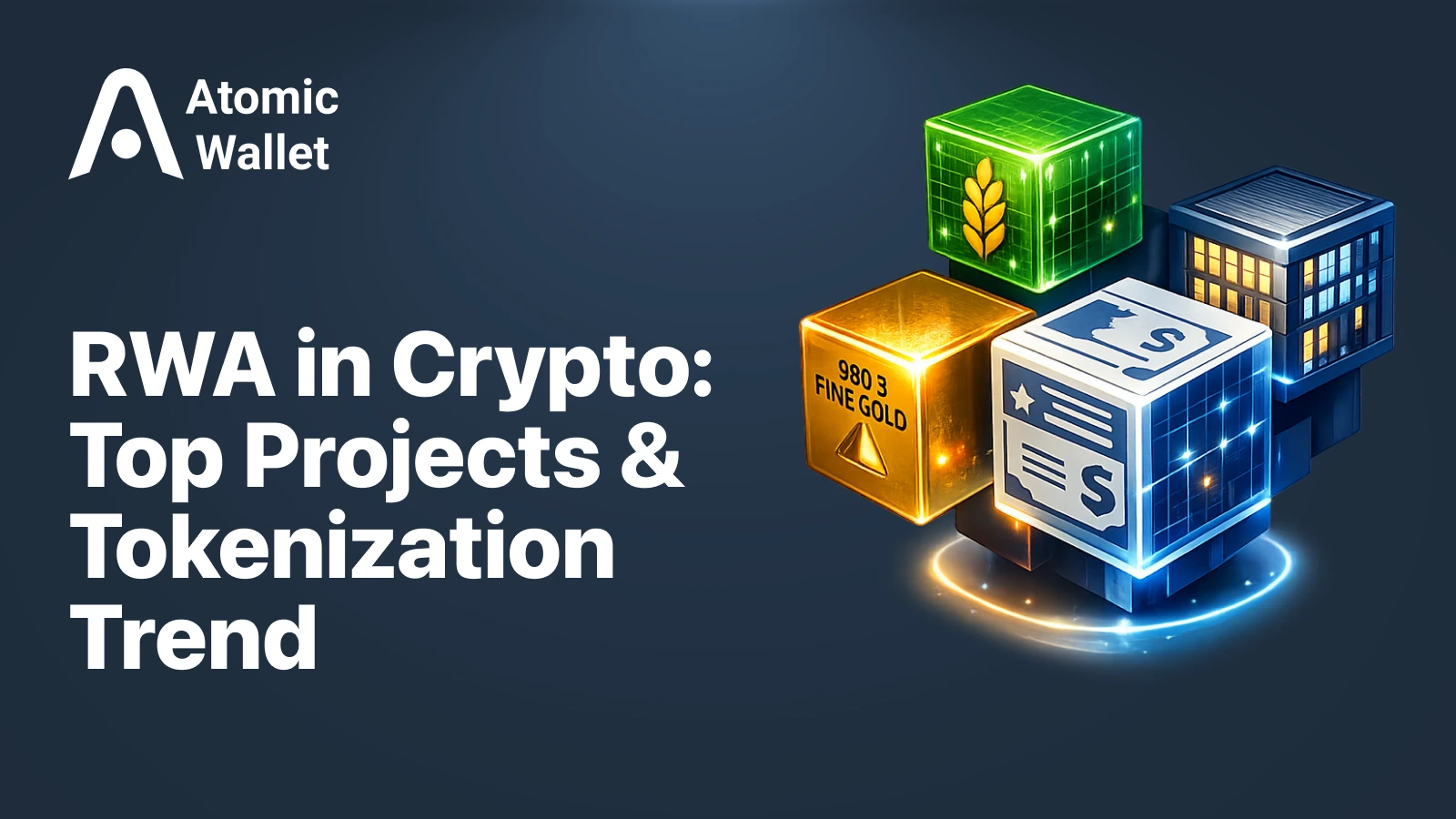
Real-world assets (RWAs) refer to traditional financial instruments that are tokenized and represented on blockchain networks. Instead of existing only within banks, funds, or legal registries, these assets can be issued, transferred, and settled through smart contract infrastructure. The idea is to connect onchain liquidity with offchain value — allowing investors to gain exposure to real financial products using crypto-native rails while maintaining a legal claim on the underlying asset.
• tokenized treasury bills and funds
• private credit and lending instruments
• commodities such as gold
• real estate and structured products
• equities and yield-bearing securities
Why Tokenization Is Becoming a Major Crypto Narrative
Tokenization is gaining traction as blockchain infrastructure begins to serve more than speculative trading use cases. Institutional investors and asset issuers are increasingly exploring ways to distribute financial products through programmable networks that can reduce settlement delays, expand global access, and improve transparency. As capital markets become more digital, tokenized RWAs are emerging as a potential bridge between traditional finance and decentralized financial systems — shifting the conversation from short-term price cycles toward long-term financial infrastructure.
How RWA Tokenization Works
Tokenizing a real-world asset typically involves linking an onchain representation with an offchain legal structure that defines ownership rights and redemption conditions. The blockchain token itself acts as a transferable financial instrument, while the underlying claim remains governed by contracts, custodians, or regulated entities in traditional financial systems. This hybrid structure enables programmable distribution and trading without removing the need for real-world enforcement mechanisms.
• an issuer structures a legal wrapper around the underlying asset
• a digital token is minted to represent fractional or full ownership
• tokens can be transferred or traded onchain like other crypto assets
• yield or income streams are distributed via smart contract logic
• redemption and legal claims depend on offchain agreements and custodians
Major Types of Tokenized Assets
• tokenized government bonds and treasury instruments
• tokenized investment funds and ETF-like structures
• private credit markets and structured lending products
• commodity-backed tokens such as gold or energy exposure
• tokenized equities and revenue-linked securities
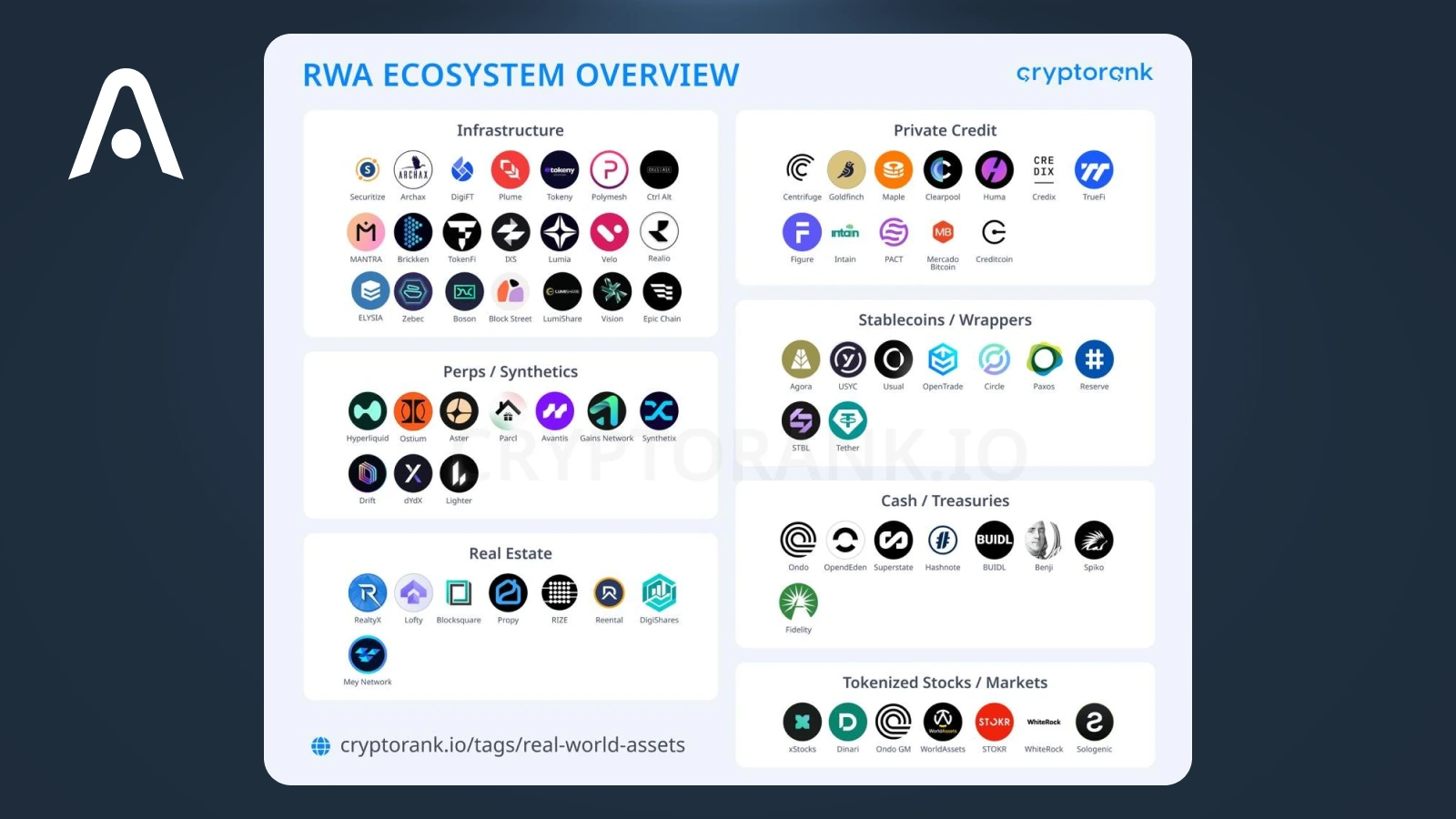
Top RWA Crypto Projects and Platforms
As tokenization expands across financial markets, different crypto protocols are positioning themselves at specific layers of the real-world asset infrastructure stack. Some focus on regulated issuance and asset structuring, while others provide settlement rails, oracle data, or DeFi credit markets connected to offchain collateral.
Why Institutional Capital Is Moving Onchain
Traditional financial institutions are increasingly exploring tokenization as a way to modernize distribution and settlement infrastructure. Blockchain networks allow financial products to be issued and transferred globally without relying on legacy clearing cycles or fragmented custody frameworks.
Tokenized assets can settle faster, integrate compliance logic directly into transaction flows, and reach a broader investor base. As regulatory clarity improves in certain jurisdictions, more capital allocators are testing tokenized funds, structured credit products, and programmable securities as part of long-term infrastructure modernization strategies.
Benefits of RWA Tokenization
Tokenizing real-world assets can reshape how financial products are accessed and traded by introducing market structures that differ from traditional capital markets. While implementation varies across jurisdictions and issuers, several structural advantages explain why tokenization continues to gain attention.
• improved liquidity access for previously illiquid assets
• fractional ownership enabling smaller investment sizes
• continuous global market availability
• transparent onchain settlement records
• reduced reliance on multi-layer intermediaries
Risks of Tokenized Real-World Assets
Despite the infrastructure benefits, RWA tokens also introduce hybrid risks that combine elements of traditional finance and blockchain systems. Understanding these risks is essential before interacting with tokenized instruments or DeFi protocols that use them as collateral.
Legal enforceability remains a core uncertainty, since ownership claims ultimately depend on offchain agreements and jurisdiction-specific frameworks. Liquidity can also become uneven during market stress, particularly when redemption mechanisms rely on centralized issuers or structured vehicles.
• issuer and counterparty credit exposure
• liquidity mismatch between token markets and underlying assets
• regulatory changes affecting access or distribution
• oracle dependency for pricing and settlement
• smart-contract or custody vulnerabilities
How Big the RWA Market Is Becoming
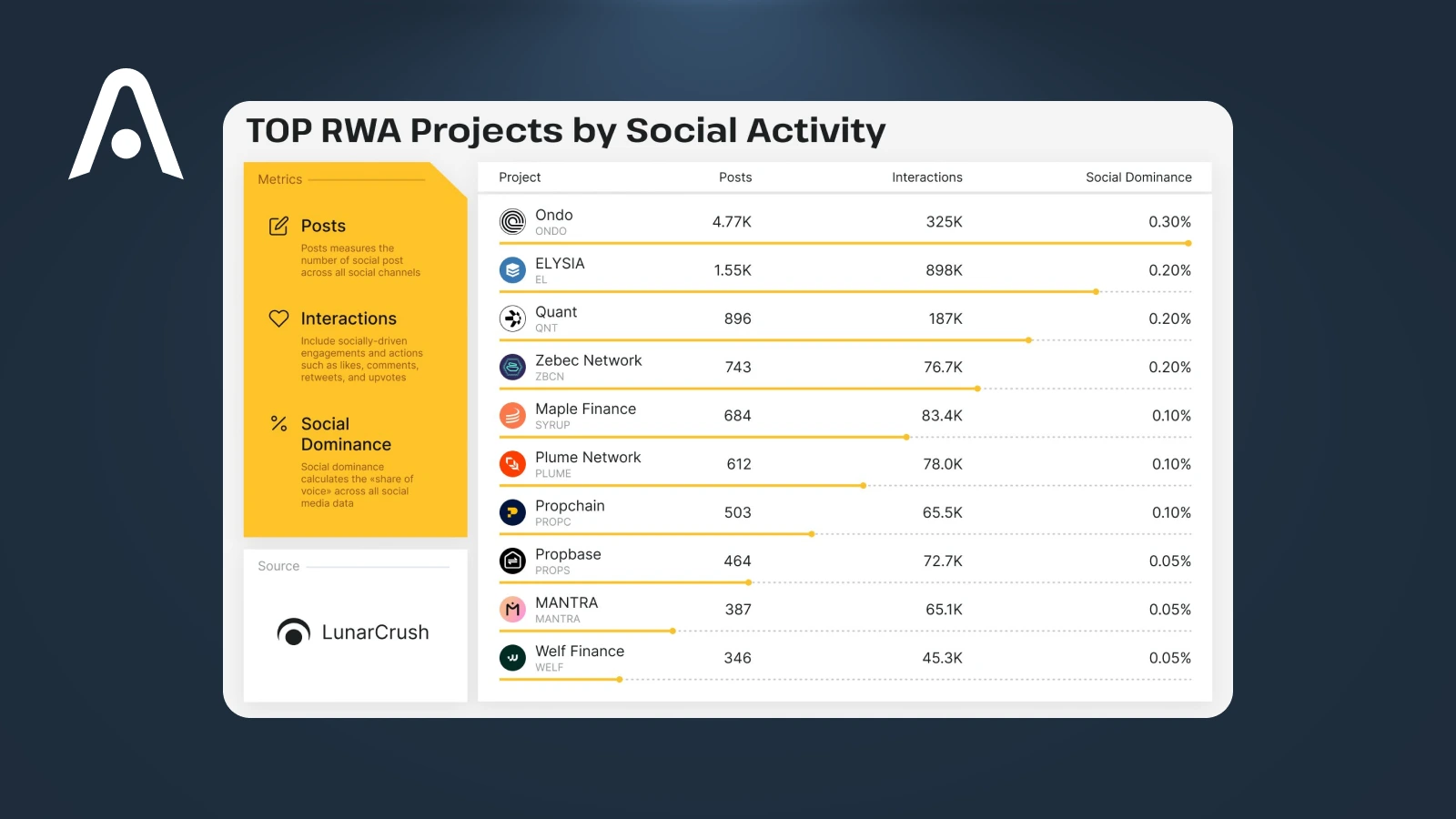
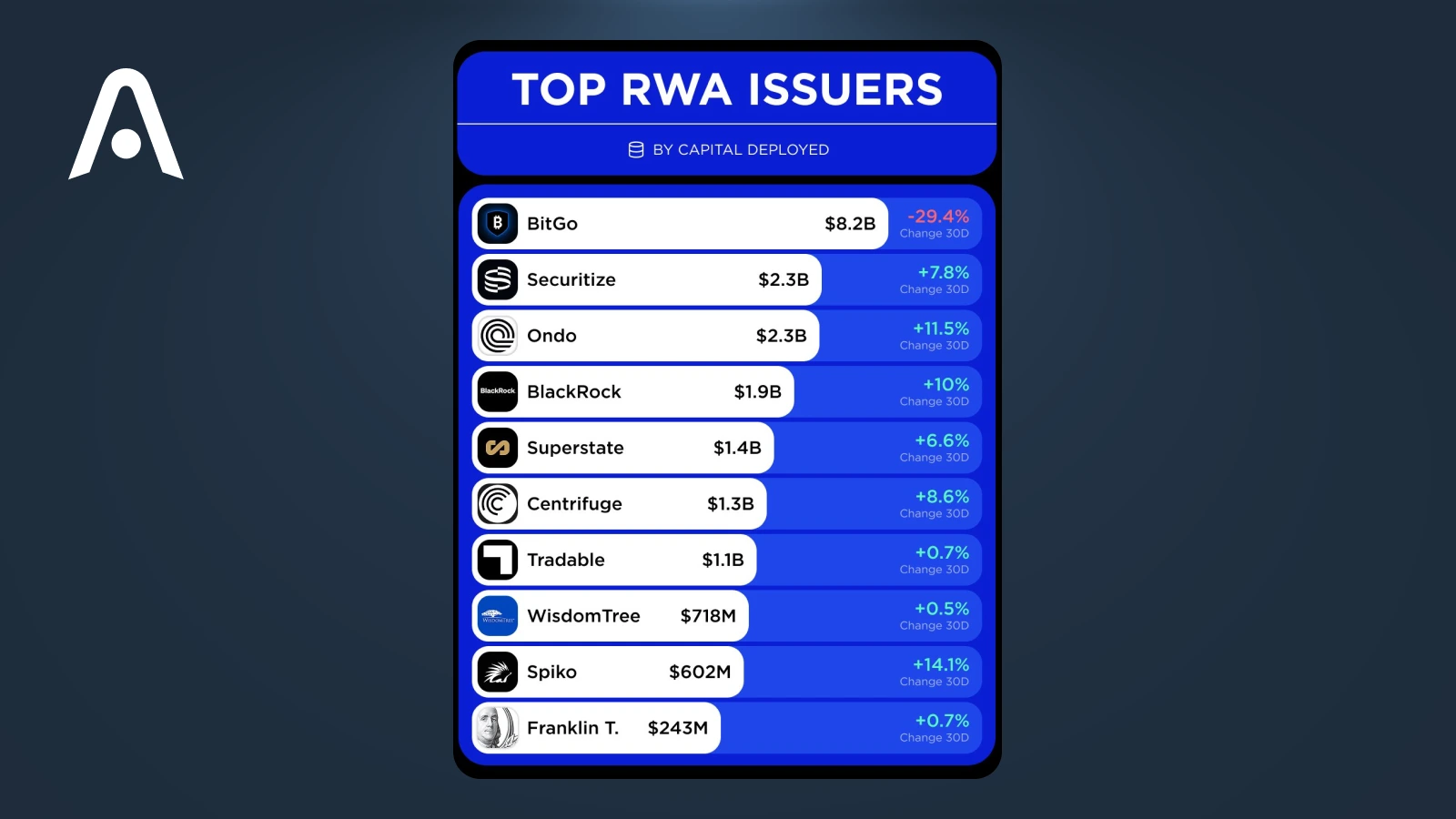
Tokenized real-world assets have moved from experimental pilots to a measurable segment of the digital asset market. Onchain data trackers now estimate the total value of tokenized RWAs in circulation at more than $20 billion, with growth driven largely by tokenized treasury products, structured credit vehicles, and commodity-linked instruments.
Institutional participation has accelerated this expansion. Asset managers and fintech platforms are increasingly using blockchain rails to distribute yield-bearing instruments globally, while infrastructure providers continue building settlement and compliance layers designed to support regulated capital flows. Even during broader crypto market volatility, inflows into tokenized funds and debt products have remained relatively steady, reflecting demand for stable yield exposure within digital asset ecosystems.
What RWA Signals About the Future of Crypto
The rise of tokenized assets suggests a structural shift in how blockchain technology is positioned within global finance. Instead of focusing solely on native crypto markets, infrastructure is evolving toward integrating traditional financial instruments into programmable, always-on networks.
Over time, this convergence could reshape capital formation and distribution. If tokenization frameworks mature alongside regulatory clarity and institutional adoption, blockchain networks may increasingly function as settlement layers for a wide spectrum of financial products — from government bonds to private credit and real estate exposure.
Access RWA Tokens With Secure Self-Custody
Participating in tokenized asset markets requires secure self-custody and careful verification of platforms and contracts.
Use a non-custodial wallet to manage digital assets safely and interact with DeFi infrastructure with full control.
Access crypto markets and manage tokenized assets through Atomic Wallet.