What Is the S&P 500 Perpetual on Hyperliquid? How 24/7 Onchain Index Trading Works
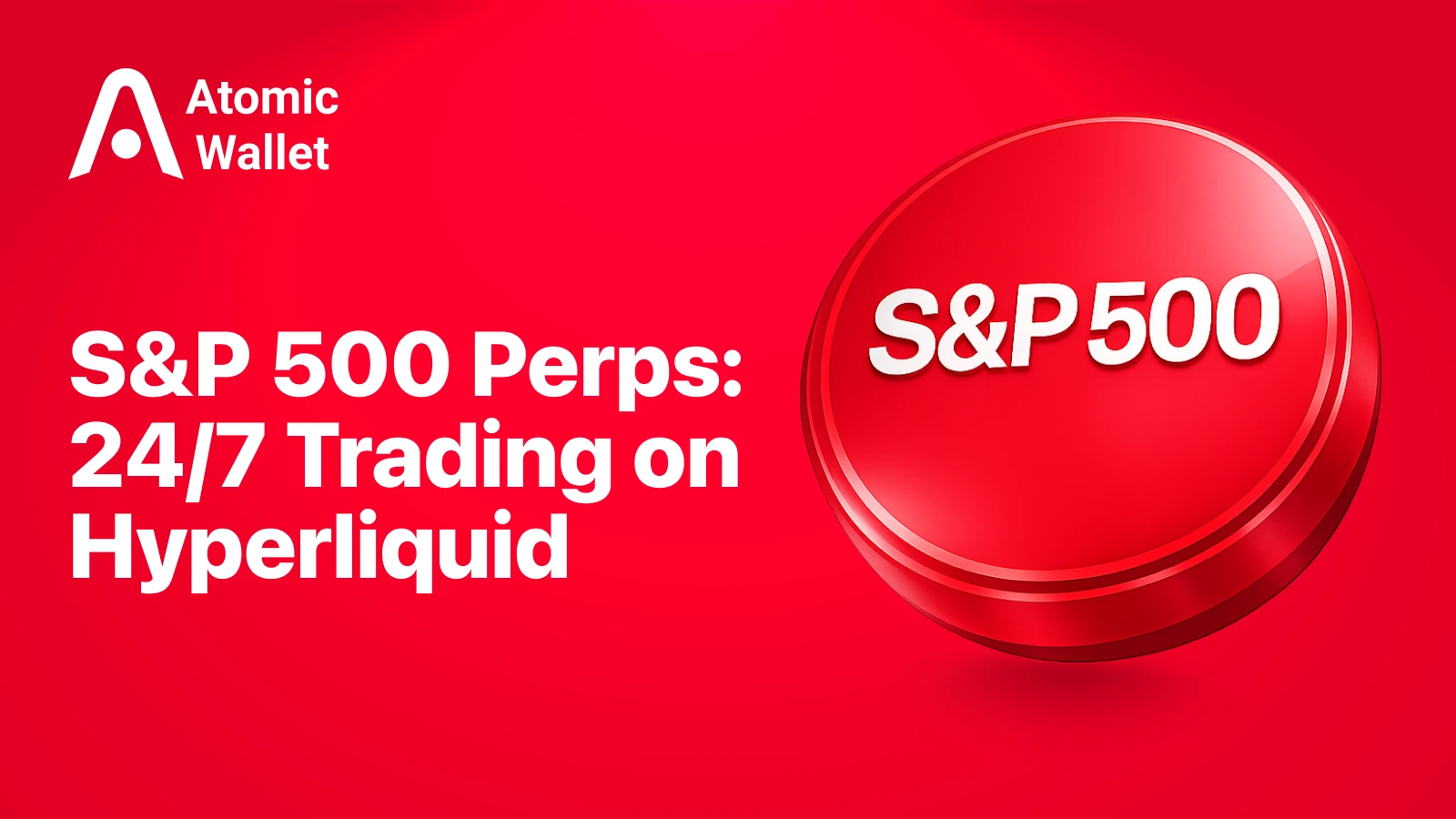
S&P 500 perpetual contract is a crypto-native derivative designed to track the performance of the widely followed US equity benchmark while trading continuously on blockchain infrastructure. Instead of representing ownership in the underlying companies or shares of an exchange-traded fund, the product provides synthetic price exposure through a perpetual futures structure. Built on high-performance derivatives rails and supported by licensed index data, the contract allows traders to take directional positions on the index without being constrained by traditional market hours.
• perpetual futures contract linked to the S&P 500 benchmark
• uses officially licensed index pricing data
• enables leveraged long and short positioning
• does not have a fixed expiry or settlement date
• trades 24/7 on decentralized derivatives infrastructure
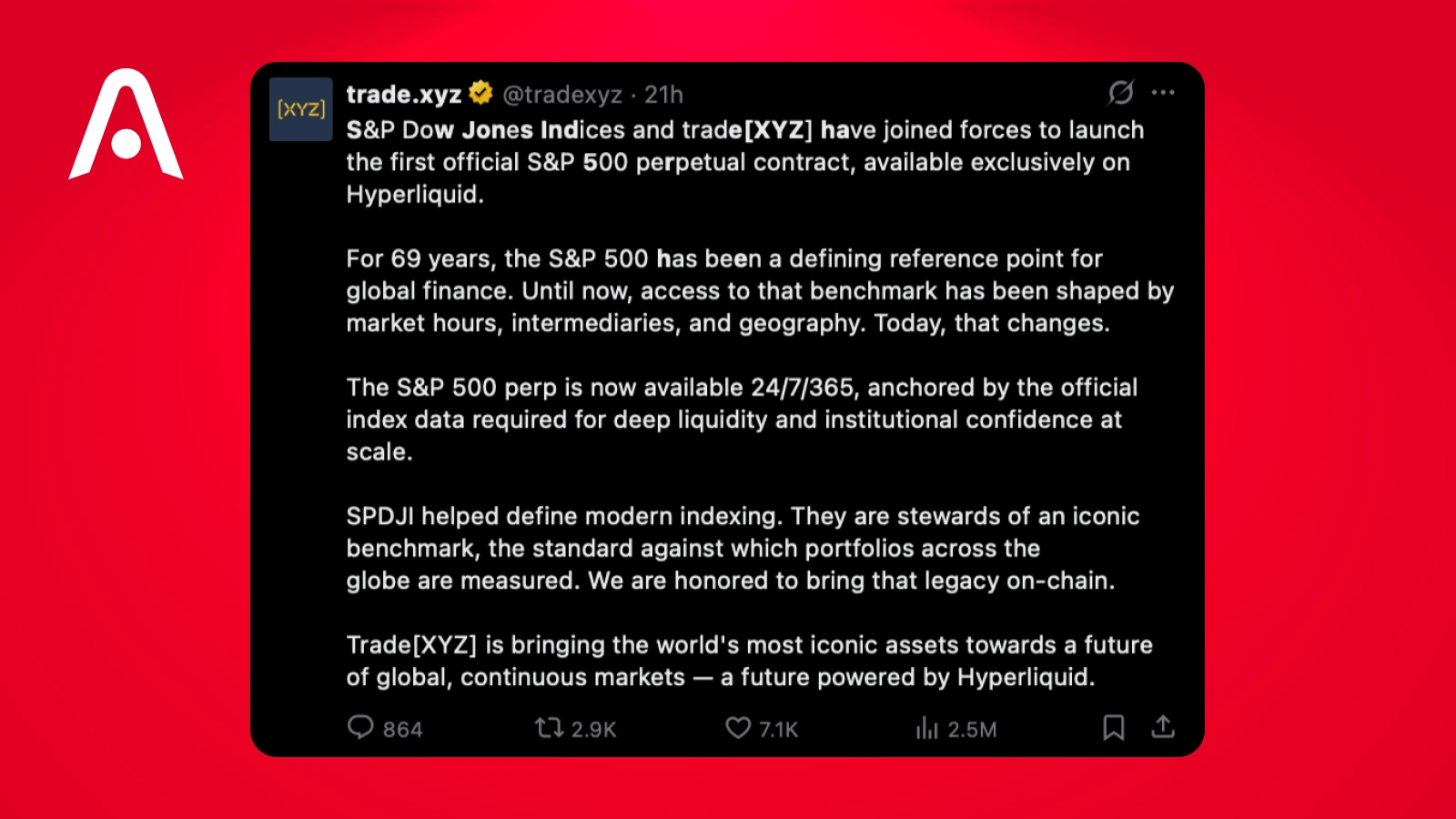
Why This Launch Matters for Global Markets
Bringing an officially licensed equity index into a continuously traded onchain derivative marks a structural shift in how financial benchmarks can be accessed. Traditional exposure to the S&P 500 has historically depended on regulated exchanges, defined trading sessions, and geographic limitations. A perpetual format removes these constraints by enabling round-the-clock price discovery and participation from global market participants. In this sense, the launch reflects a broader transition where established financial references begin to function as programmable trading primitives within crypto market infrastructure.
How Perpetual Contracts Work in Crypto
Perpetual futures are derivative instruments that allow traders to maintain exposure to an underlying asset without a fixed expiration date. Instead of settling at maturity like traditional futures, these contracts rely on continuous pricing mechanisms and margin collateral to keep positions open. Their structure has become a dominant trading format in crypto markets because it supports both speculation and hedging in highly liquid environments.
• positions remain open indefinitely unless closed or liquidated
• funding rates help align contract price with the reference index
• traders post collateral to support leveraged exposure
• leverage amplifies both potential gains and losses
• pricing is anchored to external index or oracle feeds
How Onchain Index Trading Works
Onchain index trading combines traditional financial data with blockchain settlement systems. Index pricing is delivered through licensed feeds or oracle infrastructure, while execution takes place on derivatives-focused trading platforms that maintain orderbooks or liquidity mechanisms. This hybrid design enables continuous market access, automated settlement logic, and real-time position management without relying on centralized exchange schedules.
The Role of Hyperliquid Infrastructure
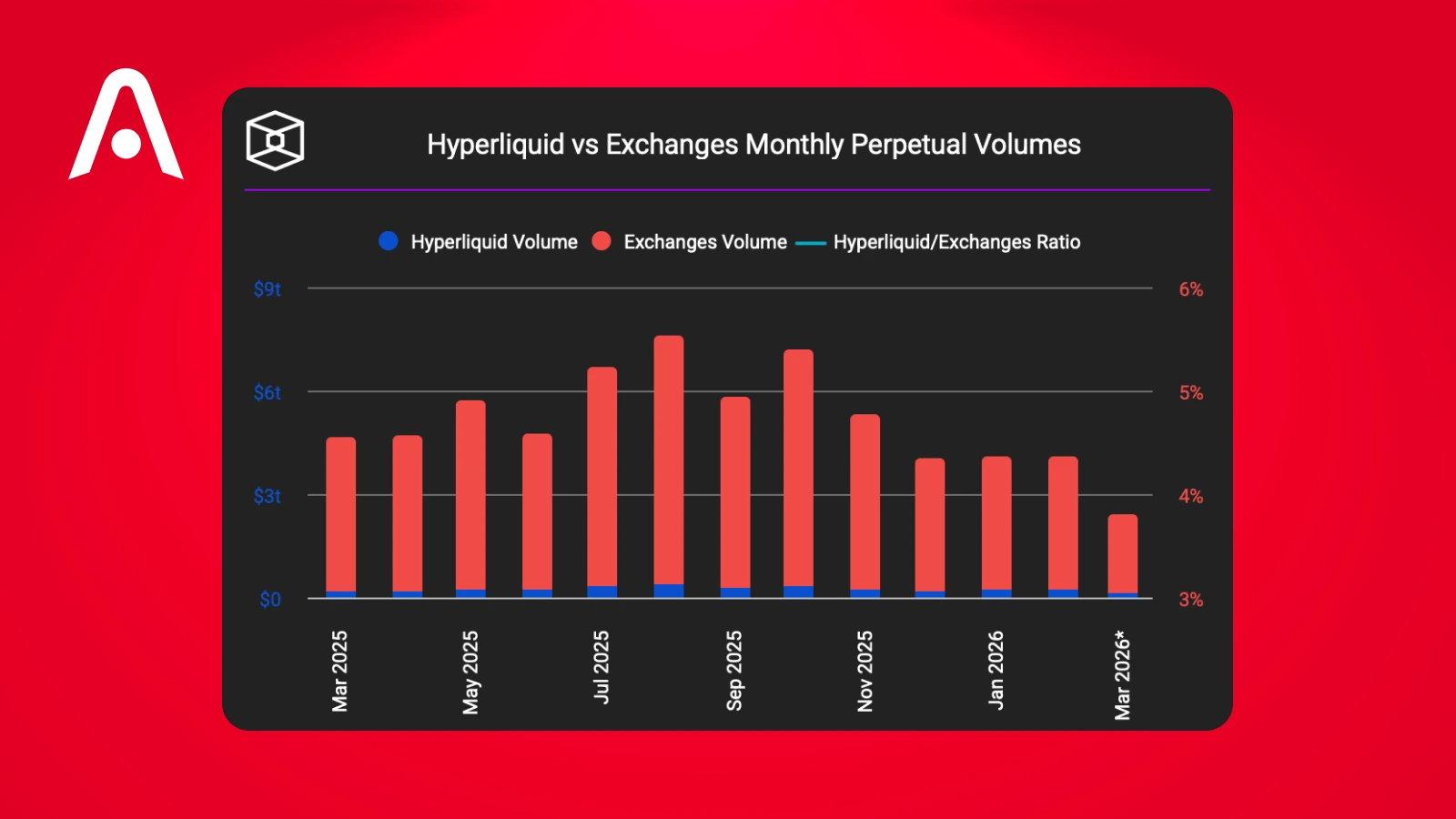
Hyperliquid provides the core execution environment that makes continuous index derivatives trading possible. Designed specifically for high-frequency perpetual markets, the platform focuses on performance, deep liquidity formation, and low-latency order processing. Its architecture enables traders to interact with orderbook-based derivatives markets while maintaining onchain settlement characteristics.
Trade[XYZ] — The Perpetual Provider Layer
Trade[XYZ] operates as the product layer responsible for structuring synthetic exposure to traditional financial benchmarks such as the S&P 500. By combining licensed index data with crypto-native derivatives infrastructure, it creates instruments that translate established market references into continuously tradable onchain contracts. This role connects traditional index licensing frameworks with decentralized execution environments.
24/7 Markets vs Traditional Market Hours
Traditional financial markets operate within fixed exchange schedules tied to geographic time zones and clearing infrastructure. Onchain perpetual markets remove these constraints by enabling continuous access to trading and price discovery.
Who Can Use Onchain Index Perpetuals
Onchain index derivatives are primarily used by traders who seek synthetic exposure to macro benchmarks without interacting directly with traditional brokerage infrastructure. These instruments can support directional positioning, hedging strategies, or tactical trading around global economic events.
Participation typically depends on regional eligibility, platform access requirements, and the user’s ability to manage margin and leverage risks associated with perpetual futures markets.
Risks of Trading Index Perpetuals
Index-linked perpetual contracts introduce a combination of derivatives risk and crypto market infrastructure risk. While they expand access to global benchmarks, they also require active risk management and an understanding of leveraged trading mechanics.
• liquidation risk when using leverage
• funding rate costs that can change over time
• liquidity depth differences across trading venues
• dependence on oracle or index data feeds
• regulatory uncertainty around synthetic exposure products
What This Signals About the Future of Capital Markets
The introduction of licensed benchmark exposure through onchain derivatives reflects a broader structural shift in how financial markets may evolve. Instead of replicating traditional trading sessions, blockchain infrastructure enables continuous access, faster settlement logic, and new forms of participation across jurisdictions.
If adoption continues, derivatives tied to real-world indices could become an early bridge between legacy financial benchmarks and crypto-native trading systems — reinforcing the idea that digital markets are increasingly operating as parallel global capital infrastructure.
Trade Global Indices via Perpetual Markets
Access to synthetic index exposure requires reliable trading infrastructure and secure wallet connectivity.
Explore perpetual derivatives markets and manage positions through trusted tools of Atomic Wallet.