SpaceX IPO Explained: Valuation, Index Demand and Market Impact
SpaceX has spent years as one of the most valuable private companies in the world.
Now, its long-anticipated IPO is shaping up to become one of the biggest public offerings ever attempted. Between trillion-dollar valuation discussions, potential index inclusion, government contracts, Starlink growth, and AI infrastructure narratives, the listing has become much more than a typical IPO.
For investors, the debate is no longer whether SpaceX is an important company. The question is whether public markets are prepared to absorb one of the largest and most closely watched offerings in financial history.
Why the SpaceX IPO Is Getting So Much Attention
SpaceX is preparing one of the largest IPOs in market history, drawing attention from investors, institutions, and the broader technology sector.
Several factors are converging at the same time.
The company already occupies a unique position across multiple industries:
- commercial space launches
- satellite communications
- defense infrastructure
- broadband services
- emerging AI-related infrastructure
Unlike many recent IPO candidates, SpaceX is not a startup seeking public capital to prove its business model. Instead, it enters public markets as a globally recognized company with significant commercial operations and government relationships already in place.
The scale of the proposed offering has also fueled intense discussion across financial markets, with investors debating everything from valuation and index inclusion to long-term growth potential.
As a result, the SpaceX IPO has become one of the most anticipated market events of the decade.
What Is Happening With the SpaceX IPO?
SpaceX has filed updated IPO documents that reveal new details about share allocation, lockups, valuation expectations, and future growth plans.
The company’s public filings provide a clearer picture of how the offering may be structured and how shares could enter the market following the listing.
Key details disclosed include:
- employee participation programs
- directed share allocations
- lockup arrangements
- future capital flexibility
- additional business disclosures
One of the most discussed updates involves the company’s directed share program, which reserves a portion of IPO shares for selected employees and certain individuals connected to company leadership.
The filings also outline restrictions on insider selling, including extended lockup provisions affecting significant portions of existing ownership.
Together, these details provide investors with a better understanding of how the offering may function once SpaceX begins trading publicly.
SpaceX Valuation: Why the Numbers Are So Controversial
Analysts and investors remain divided on whether SpaceX’s proposed valuation accurately reflects the company’s long-term growth potential.
Few IPOs have generated as much debate around valuation.
Depending on the source, discussions surrounding the offering have ranged from approximately:
- $1.8 trillion
- $2 trillion
- lower independent estimates from some analysts
The disagreement comes from how investors choose to value SpaceX’s different business segments.
Supporters point to:
- launch market leadership
- Starlink expansion
- government contracts
- future infrastructure opportunities
Critics focus on:
- exceptionally high valuation multiples
- execution risk
- uncertainty around future growth assumptions
- limited public market comparables
At the center of the debate is a simple question: how much future growth is already reflected in the proposed valuation?
That question will likely remain one of the most important factors influencing investor demand after the IPO.
Why Index Demand Matters for the SpaceX IPO
Potential inclusion in major stock indexes has become one of the most discussed aspects of the offering.
Normally, large companies spend months or years trading publicly before becoming eligible for major index inclusion.
However, reports surrounding SpaceX have fueled discussion about accelerated paths into widely followed benchmarks such as:
- Nasdaq-100
- S&P 500
- Russell indexes
The significance goes beyond prestige.
Index inclusion can create additional demand because many investment products automatically track benchmark allocations.
That means:
- index funds may buy shares
- ETFs may increase exposure
- passive investment vehicles may add positions
- institutional ownership can expand rapidly
For a company of SpaceX’s size, even small allocation changes across large investment funds could translate into substantial capital flows.
This is one reason market participants are watching index eligibility discussions almost as closely as the IPO itself.
How Passive Funds Could Affect SpaceX Shares
Large passive investment funds may become significant buyers if SpaceX is added to major stock indexes after listing.
Passive investing has become one of the most powerful forces in modern financial markets.
Rather than selecting individual stocks, these funds automatically purchase securities based on index weightings.
If SpaceX becomes eligible for major benchmarks, potential buyers could include:
- index ETFs
- retirement funds
- pension funds
- mutual funds
- institutional asset managers
This dynamic matters because passive funds typically buy shares regardless of short-term market sentiment.
As a result, investors are closely monitoring how quickly SpaceX could become eligible for major indexes and how much demand that inclusion might generate.
For a company expected to debut at an exceptionally large valuation, passive capital flows could become an important factor in early trading performance.
Employee Shares, Lockups, and Insider Allocation
The IPO includes a directed share program alongside lockup arrangements that affect how shares may enter the market after listing.
One of the more closely watched elements of the offering is how ownership will be distributed among insiders, employees, and selected participants.
The directed share program allows certain employees and individuals connected to company leadership to purchase shares at the IPO price.
At the same time, significant portions of insider ownership remain subject to lockup restrictions designed to limit immediate selling pressure after the public debut.
Elon Musk’s holdings are expected to be subject to an extended lockup period, while some directed-share participants may face different restrictions depending on the terms of their allocation.
These ownership mechanics could play an important role in determining how much stock becomes available for trading during the months following the IPO.
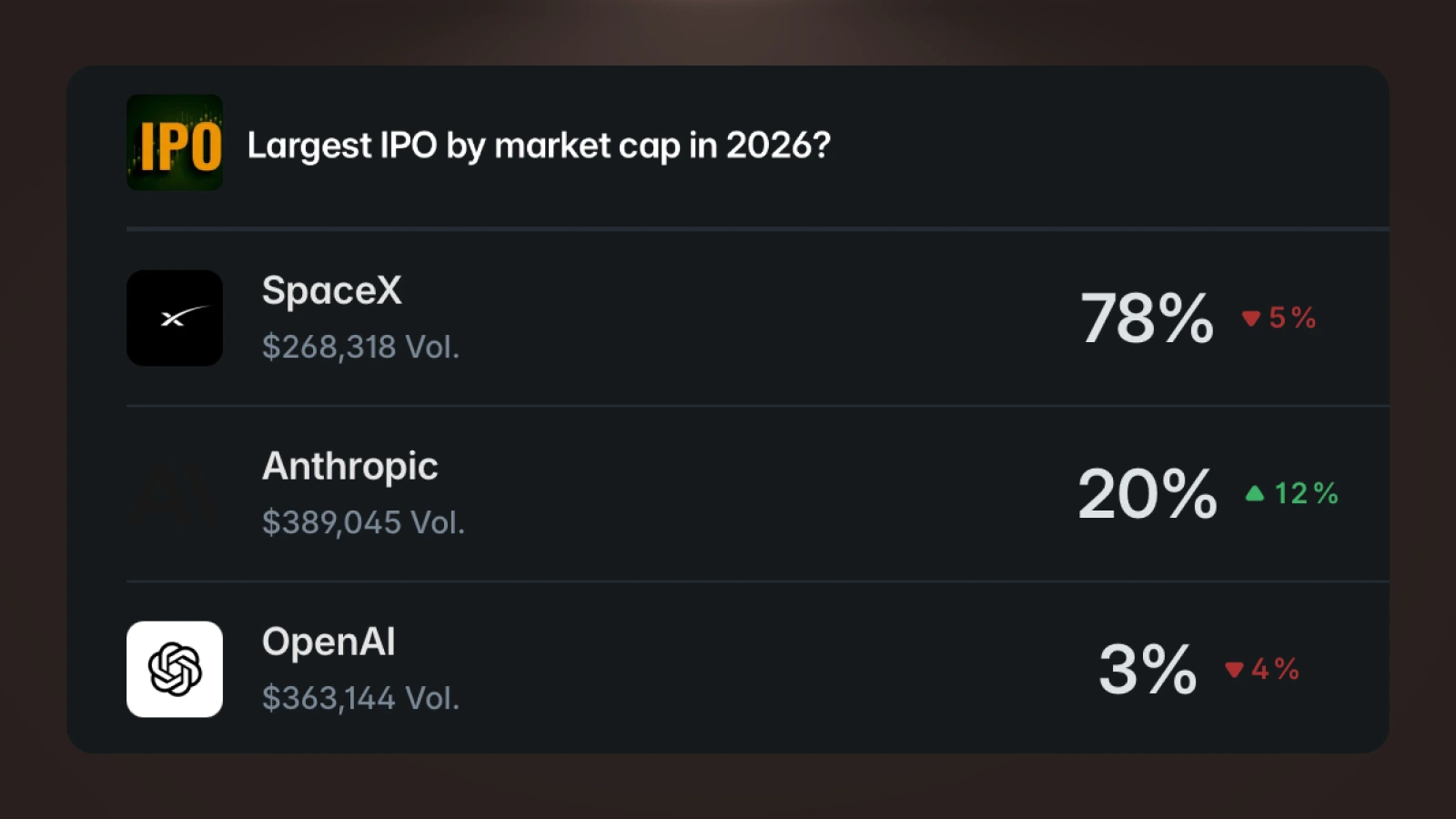
SpaceX, AI Infrastructure, and the Anthropic Deal
SpaceX is increasingly being discussed as both a space company and a potential AI infrastructure player.
While launch services and Starlink remain the company’s most visible businesses, recent disclosures have drawn attention to a growing connection with artificial intelligence infrastructure.
One of the most notable examples is SpaceX’s compute-related agreement with Anthropic, which includes large-scale AI infrastructure commitments.
The arrangement has fueled discussion around:
- AI compute capacity
- GPU infrastructure
- cloud-scale services
- long-term data infrastructure opportunities
For some investors, this broadens the SpaceX narrative beyond rockets and satellites.
Instead of being valued solely as an aerospace company, SpaceX is increasingly being viewed through multiple lenses:
- space infrastructure
- communications networks
- broadband services
- AI infrastructure
This diversification is one reason valuation discussions remain so complex.
Government Contracts and the SpaceX Business Model
Defense contracts, launch services, Starlink, and government partnerships continue to play major roles in SpaceX’s revenue story.
The company generates revenue from several distinct business lines, helping reduce dependence on any single source of growth.
Key areas include:
- commercial launch services
- government launch programs
- Starlink subscriptions
- defense-related contracts
- infrastructure partnerships
Government relationships remain particularly important.
Recent contract awards have reinforced SpaceX’s position as a major provider of space and communications infrastructure for U.S. government agencies.
At the same time, Starlink continues expanding its commercial footprint through consumer, enterprise, aviation, maritime, and government customers.
This combination of public-sector and private-sector demand is a major reason many investors view SpaceX as more than a traditional aerospace company.
Bull Case vs Bear Case for the SpaceX IPO
Investors remain sharply divided on whether SpaceX deserves one of the highest valuations in market history.
Supporters and critics often agree that SpaceX is an extraordinary company. The disagreement centers on how much future success is already reflected in the proposed valuation.
The bullish argument focuses on SpaceX’s dominant position across multiple high-growth industries.
Supporters believe the company combines:
- aerospace leadership
- satellite communications
- broadband infrastructure
- defense relationships
- emerging AI opportunities
The bearish argument is more focused on valuation discipline.
Critics question whether even a company with SpaceX’s advantages can justify one of the largest market capitalizations in history while continuing to execute flawlessly across several complex businesses.
What the SpaceX IPO Means for Future Listings
The success or failure of the SpaceX IPO could influence the next wave of technology and AI-related public offerings.
Large private technology companies have remained private longer than in previous market cycles.
As a result, investors are closely watching whether public markets are willing to support another generation of mega-cap growth stories.
The outcome could influence future plans for:
- AI companies
- infrastructure providers
- venture-backed technology firms
- late-stage private market leaders
Many market participants view SpaceX as a test case for investor appetite toward large-scale innovation narratives.
A successful debut could encourage additional high-profile companies to pursue public listings, while a disappointing outcome may make other firms more cautious about entering public markets in the near future.
Tokenized Exposure and Alternative Ways Investors Follow SpaceX
Many investors are exploring tokenized markets and alternative vehicles to gain indirect exposure to private companies and major market events.
As interest in pre-IPO companies grows, new digital market structures are emerging that allow participants to follow valuation trends and market expectations before traditional public trading begins.
These alternatives may include:
- tokenized market products
- pre-IPO tracking instruments
- prediction markets
- thematic investment vehicles
- digital asset exposure linked to market narratives
While these products do not necessarily represent direct ownership of private company shares, they can provide additional ways for market participants to engage with major investment themes before or after an IPO.
The growing intersection between traditional finance and digital asset markets is one reason events like the SpaceX IPO attract attention far beyond the stock market itself
For investors active in crypto markets, platforms like Atomic Wallet provide access to thousands of digital assets through a self-custodial environment. Users can securely buy, manage, and trade cryptocurrencies while exploring sectors ranging from AI and infrastructure to tokenization and next-generation financial technologies.
Conclusion: Why the SpaceX IPO Matters Beyond SpaceX
The SpaceX IPO is becoming a broader test of investor appetite for large-scale technology, infrastructure, and AI narratives.
The offering combines several of the most influential themes in modern markets:
- commercial space expansion
- satellite communications
- AI infrastructure
- government technology spending
- passive investment flows
Whether investors ultimately view the valuation as justified or excessive, the listing is likely to become one of the defining financial events of the decade.
Beyond the company itself, the IPO may help shape how future generations of large private technology firms approach public markets and how investors evaluate ambitious long-term growth stories.