What Is Farcaster? The Decentralized Social Network Explained
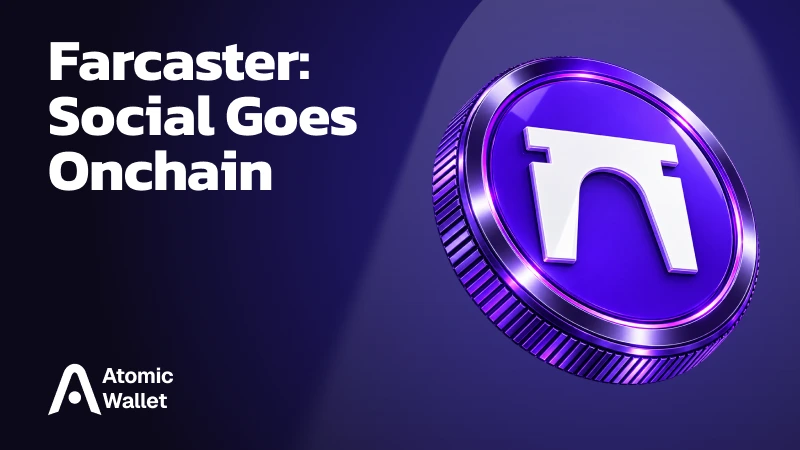
Farcaster is entering a new chapter. The onchain social network, originally built around Ethereum, now supports Solana wallets and Mini Apps, bringing one of crypto’s largest ecosystems directly into its social layer. Users can interact with Solana applications, move into Solana assets, and connect wallet activity without leaving the broader Farcaster experience.
The expansion comes as Farcaster itself undergoes a major transition. Following its acquisition by Neynar, the network is shifting toward a builder-first model where social identity, applications, wallets, and onchain activity exist within the same ecosystem. Rather than competing with X or Reddit as another social feed, Farcaster is increasingly positioning itself as infrastructure for a new generation of crypto-native applications.
What Is Farcaster?
Farcaster is an onchain social network where users can own their identity and social connections instead of leaving them controlled by a single platform.
At the surface, Farcaster feels familiar: users create profiles, publish posts known as casts, follow accounts, and interact with communities. The difference is underneath. Core identity and social relationships are built around an open protocol, allowing developers to create different applications and interfaces that access the same underlying social network.
This makes Farcaster less dependent on one company or app. A user’s identity and connections can move across compatible clients, while developers can build new social experiences without starting from an empty network. With wallets, Mini Apps, and now Solana support becoming increasingly integrated, Farcaster is evolving from decentralized social media into a broader onchain application layer.
How Farcaster Is Different From X and Reddit
Farcaster separates the social network from the application used to access it.
Traditional social platforms control the interface, user accounts, social graph, and distribution within a closed ecosystem. Farcaster uses an open protocol, allowing multiple applications to build around the same identities and relationships.
The goal is not simply to recreate X on a blockchain. Farcaster provides a shared social layer where developers can build different products without requiring users to rebuild their identity and network from scratch.
How Farcaster Works
Farcaster combines familiar social features with an open protocol and onchain identity infrastructure.
Several components work together across the network:
- Profiles — Users establish an identity that can be accessed through compatible Farcaster applications.
- Casts — Posts form the basic unit of public conversation across the network.
- Social Graph — Follows and relationships can persist across different Farcaster clients.
- Hubs — Distributed servers store and synchronize Farcaster’s social data across the network.
- Onchain Registry — Key account information is anchored onchain, supporting ownership and portability.
- Wallets — Crypto accounts connect social identity with assets, payments, and other blockchain activity.
This architecture allows the social experience to remain familiar while giving developers more freedom to build interfaces, communities, and applications around the same underlying network.
What Are Farcaster Mini Apps?
Mini Apps turn Farcaster posts and social interactions into entry points for complete onchain applications.
Instead of sending users away to separate websites, developers can embed interactive experiences directly into Farcaster-compatible clients. A Mini App can support actions such as trading, minting, gaming, payments, community participation, or other blockchain interactions while remaining connected to the user’s Farcaster identity and wallet.
For builders, this reduces one of Web3’s biggest challenges: distribution. Developers can launch products inside an existing social network rather than acquiring every user from zero. For users, it creates a more seamless experience where discovering an application, opening it, connecting a wallet, and interacting onchain can happen within the same social environment.
Why Solana Changes Farcaster
Solana support expands Farcaster from an Ethereum-rooted social network into a more multichain onchain ecosystem.
The integration allows Solana activity to become part of the Farcaster experience rather than requiring users to move between separate social, wallet, and blockchain applications. This gives Solana developers access to Farcaster’s social distribution while giving Farcaster users another major ecosystem to explore.
Key additions include:
- Solana Wallet Support — Users can connect and interact with Solana wallets through compatible Farcaster experiences.
- Solana Mini Apps — Developers can build applications that combine Farcaster’s social layer with Solana-based products and assets.
- Token Swaps — Users can access Solana tokens through integrated swap functionality.
- Cross-Chain Bridging — Assets can move into the Solana ecosystem as part of the trading experience.
- Developer Distribution — Solana builders can bring products directly to Farcaster users instead of building a social audience from scratch.
For Farcaster, Solana adds another major source of users, assets, and applications. For Solana builders, Farcaster provides something blockchain infrastructure alone cannot: an existing social graph through which new products can spread.
Inside the Farcaster Ecosystem
Farcaster is becoming an ecosystem of social applications, wallets, developers, and onchain products rather than a single social app.
Several layers now make up the broader network:
- Farcaster Protocol — The open social infrastructure connecting identities, posts, and relationships.
- Farcaster App — A primary interface for accessing the network and discovering its applications.
- Mini Apps — Interactive products that run within the social experience.
- Wallet Infrastructure — Connects users with tokens, payments, swaps, and other onchain actions.
- Clanker — A token-launching product connected to the broader Farcaster ecosystem.
- Developer Infrastructure — Tools and APIs allow third-party builders to create new clients, agents, Mini Apps, and services.
- Neynar — Provides infrastructure for developers and now oversees the next stage of Farcaster’s protocol and product development.
The result is a network where social discovery can lead directly to applications and onchain activity, giving developers a built-in distribution layer and users a more integrated crypto experience.
Why Neynar Acquired Farcaster
Neynar’s acquisition brings Farcaster’s protocol, applications, and developer infrastructure under a builder-focused organization.
Neynar was already one of the key infrastructure providers in the Farcaster ecosystem, offering APIs and developer tools for teams building on the network. Through the acquisition, Neynar took responsibility for the Farcaster protocol contracts, code repositories, primary app, and Clanker, creating a more unified stack around both infrastructure and consumer products.
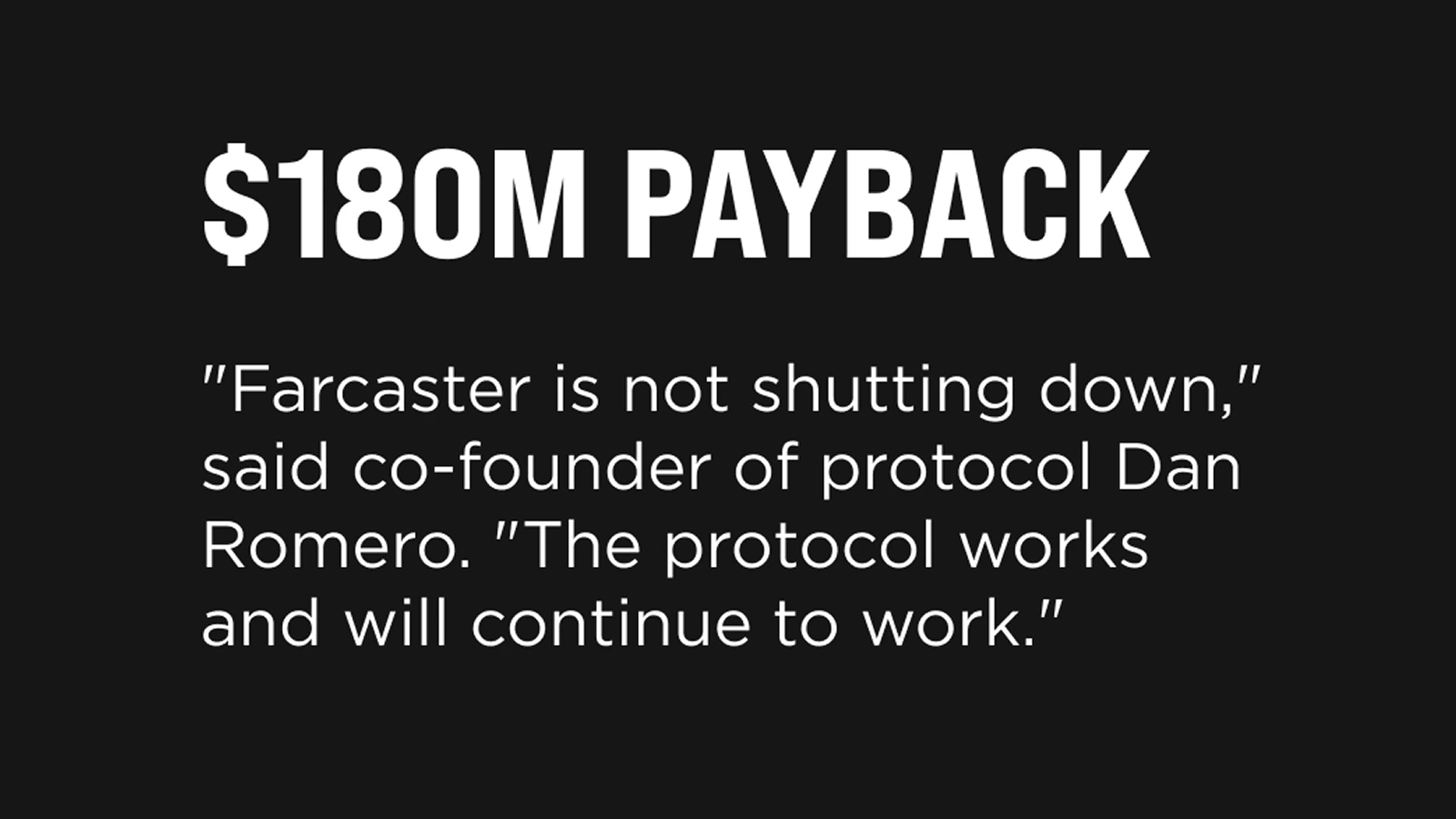
The transition also marks the end of Farcaster’s original chapter under Merkle Manufactory. Rather than abandoning the protocol, Neynar is using the acquisition to push Farcaster further toward applications, developers, and sustainable onchain businesses. Merkle Manufactory also announced plans to return roughly $180 million to its investors following the transaction.
Farcaster’s New Builder-First Strategy
The next phase of Farcaster is focused on helping developers turn ideas into products, users, and recurring revenue.
Instead of treating developers as an extension of the social platform, the new strategy places builders at the center of the network. Farcaster’s existing social graph, wallet infrastructure, and Mini Apps can give new products distribution without requiring every developer to build an audience from zero.
The builder-first model centers on several advantages:
- Built-In Distribution — New applications can reach an existing network of Farcaster users.
- Shared Identity — Users can enter products with an identity they already use across the network.
- Wallet Integration — Applications can connect social activity directly with payments, tokens, and other onchain actions.
- Mini Apps — Builders can distribute interactive products inside the social experience.
- Monetization — Developers can create products designed around transactions, subscriptions, fees, or other recurring revenue models.
- Multichain Expansion — Solana support broadens the assets, applications, and communities developers can reach.
The ambition is to make Farcaster more than a place where crypto users communicate. Under Neynar, it is increasingly being positioned as a distribution and monetization layer for developers building consumer onchain applications.
Does Farcaster Have a Token?
Farcaster does not currently have an official native token.
Despite years of speculation around a potential Farcaster token or airdrop, the project has stated that there are no current plans to issue a proprietary token. Farcaster’s core network instead revolves around user identities, social interactions, wallets, Mini Apps, and applications built on top of its open protocol.
This distinction matters because tokens launched through Farcaster-connected products or promoted by communities are not automatically official Farcaster assets. Users should be cautious with tokens claiming to represent the protocol and verify announcements through official Farcaster or Neynar channels rather than assuming an anticipated airdrop or ticker is legitimate.
Using Solana With Farcaster
Solana integration connects Farcaster’s social graph with one of crypto’s largest onchain ecosystems.
Users can now encounter Solana applications and assets directly through the Farcaster experience, while developers can build Mini Apps that combine social discovery with Solana-based transactions.
Key possibilities include:
- Connect Solana wallets to compatible Farcaster applications.
- Explore Solana Mini Apps without leaving the broader social experience.
- Access Solana tokens through integrated swap functionality.
- Bridge assets into Solana when supported by the application.
- Interact with Solana communities through Farcaster’s existing social graph.
Atomic Wallet lets you store, send, receive, and manage SOL in a non-custodial wallet while keeping control of your private keys.
The Future of Onchain Social
Farcaster is testing whether social networks can become open distribution layers for apps, assets, and digital identity.
Traditional platforms keep users, developers, and applications inside closed ecosystems. Farcaster takes a different approach: identities and social connections live on an open protocol, while independent builders can create clients, Mini Apps, and crypto-native products around the same network. The addition of Solana broadens that model by bringing another major blockchain ecosystem into Farcaster’s social layer.
The next phase under Neynar will depend on whether this openness can translate into sustainable products and recurring revenue for builders. If Mini Apps, wallets, and multichain integrations continue to grow, Farcaster could evolve beyond decentralized social media into infrastructure where users discover applications, communities, and onchain markets through a shared social graph.