Web3 Browser Extensions: Types, Use Cases, and How They Work
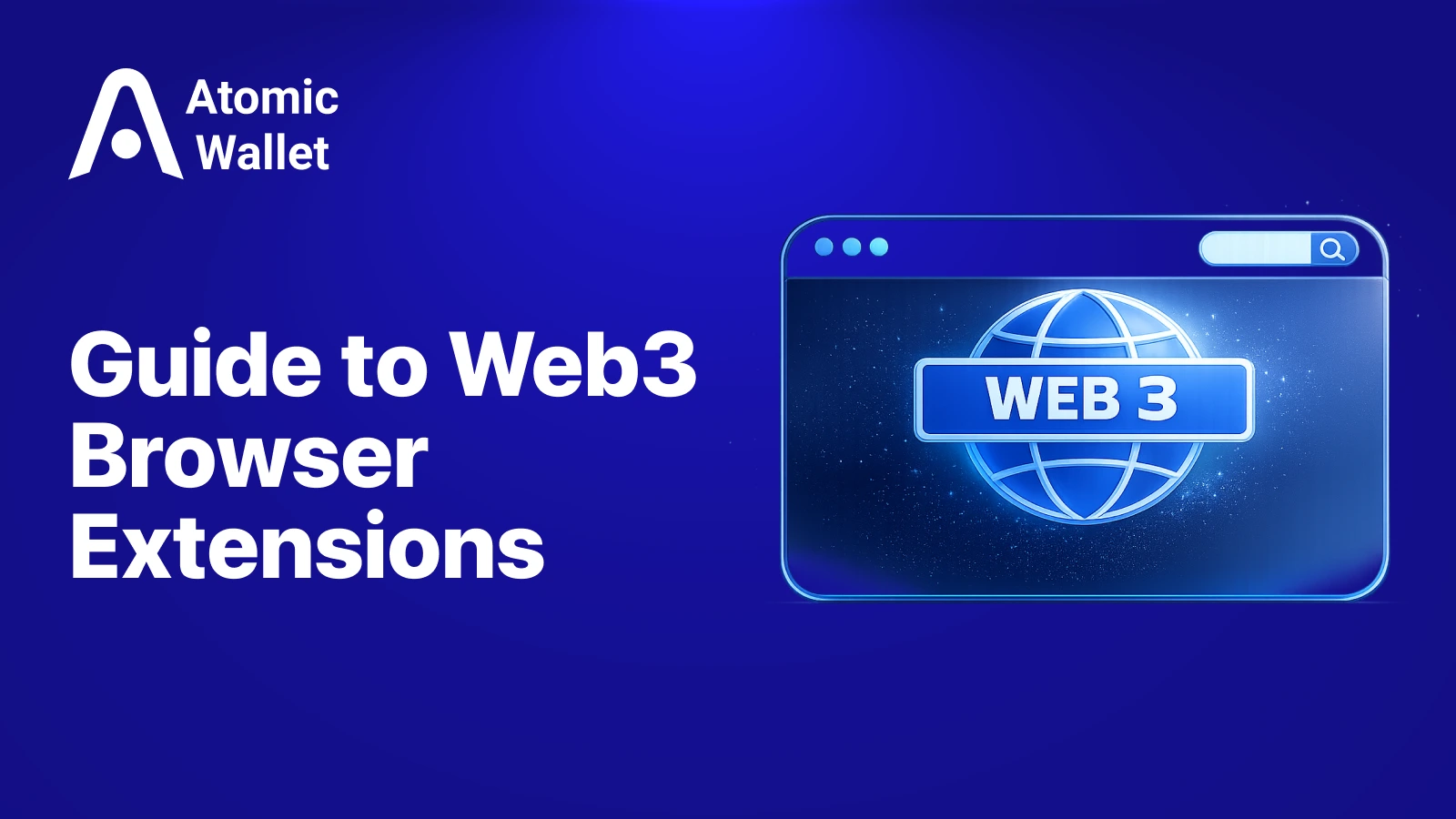
Web3 browser extensions are not a single product category, but an entire layer of tools that shape how people actually use crypto on the web. From wallets and security tools to analytics and identity helpers, these extensions turn an ordinary browser into a Web3 interface. This listicle breaks down the main types of Web3 extensions, what each one is used for, and how they fit together in a practical Web3 setup.
What Are Web3 Browser Extensions?
Web3 browser extensions are tools installed directly in a web browser that enable interaction with blockchain networks and decentralized applications. They act as a bridge between traditional websites and onchain systems, allowing users to manage assets, sign transactions, and connect to dApps without leaving the browser.
At a practical level, Web3 browser extensions exist because:
- The browser is where most Web3 activity starts, from DeFi to NFTs
- Extensions enable direct interaction with blockchains without separate software
- They provide real-time signing, permissions, and wallet connectivity
- They make self-custody usable inside everyday web workflows
Unlike standalone crypto apps, browser extensions are designed for constant, contextual use. They sit at the intersection of the web and blockchain, making them one of the most important UX layers in Web3.
The Main Types of Web3 Extensions
Web3 browser extensions can be grouped into clear categories based on what problem they solve. Some focus on asset management, others on security, analytics, or identity, but each type plays a specific role in the overall Web3 experience. Understanding these categories makes it easier to build a setup that matches how you actually use crypto, rather than installing tools at random.
Web3 Wallet Extensions (The Core Web3 Tool)
A Web3 wallet extension is the foundation of almost everything users do onchain. It connects the browser to blockchain networks and acts as the primary interface for interacting with decentralized applications.
Wallet extensions are essential because they enable:
- Direct connection to DeFi dApps and Web3 websites
- Transaction signing and permission management inside the browser
- Sending, receiving, and managing crypto assets
- A single point of access for multiple networks and protocols
For most users, a wallet extension is the first Web3 tool they install. Without it, other extensions like analytics or security tools have limited use, since the wallet is what actually authorizes and executes onchain actions.
Web3 Wallet Extension by Atomic Wallet
The Atomic Wallet Web3 Wallet Extension is designed as a self-custodial browser wallet that gives users direct access to their crypto assets and decentralized applications from within the browser. It functions as an interface to the blockchain rather than a custodial service, meaning users remain in full control of their funds.
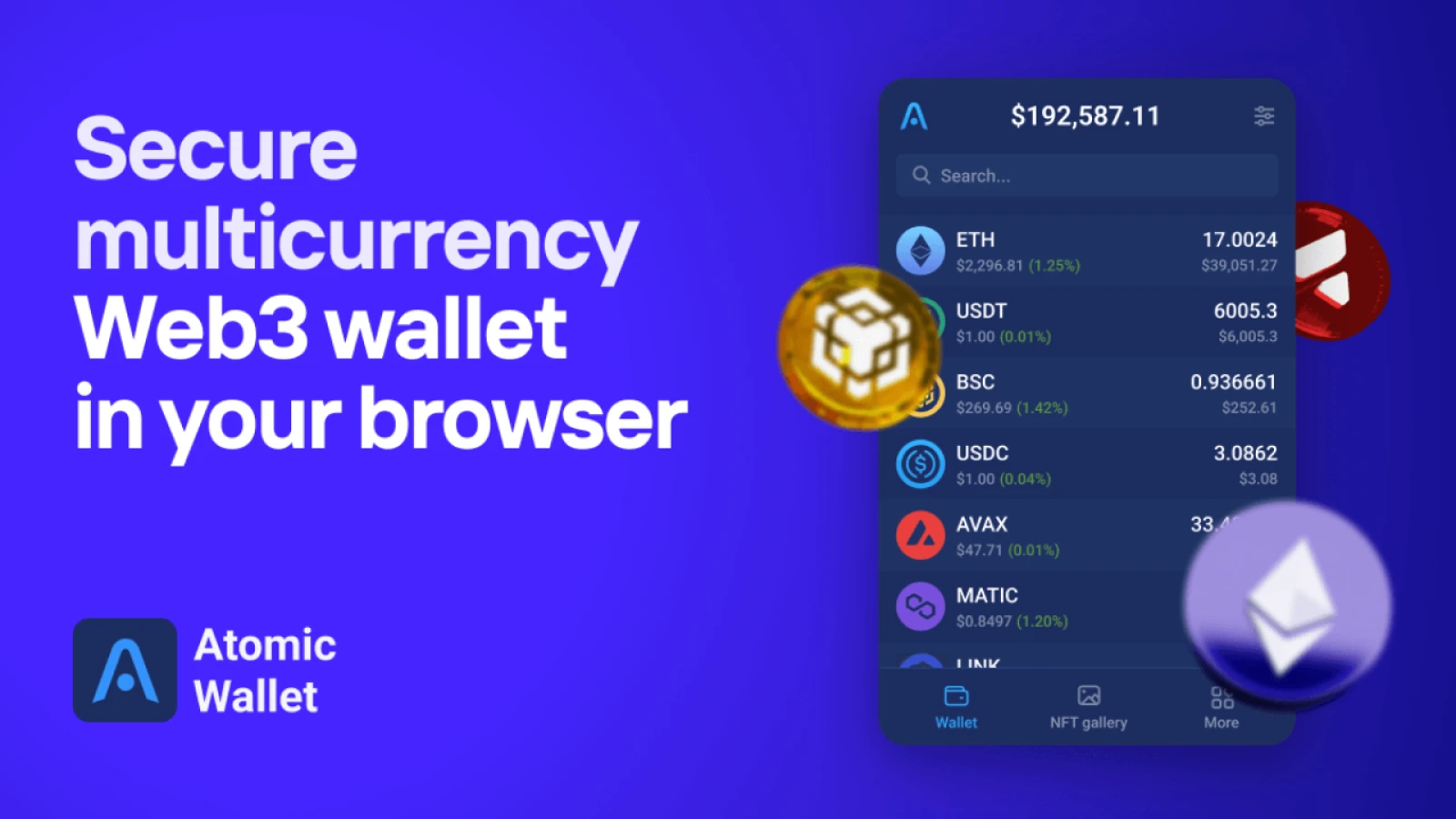
The extension allows users to connect to DeFi dApps, swap tokens, earn rewards, and interact with Web3 applications without leaving the browser. It supports sending and receiving crypto assets and managing balances across Ethereum, Polygon, BNB Chain, and other EVM-compatible networks through a single interface.
Key characteristics of the Atomic Wallet Web3 Extension include:
- Instant connection to DeFi dApps and Web3 platforms
- Built-in swap, earn, and play features
- Sending and receiving crypto assets directly from the browser
- Management of ETH, MATIC, BNB, and other EVM-based assets
- Multi-chain EVM support in one wallet
- Self-custody by design, with private keys encrypted and stored locally
- No storage of user data or private keys by Atomic Wallet
This makes the extension a practical example of how a Web3 wallet extension functions as the core tool in a browser-based Web3 setup.
Security and Anti-Phishing Web3 Extensions
Security and anti-phishing extensions add an extra layer of protection on top of a wallet extension. While wallets handle transaction signing and asset management, security extensions focus on identifying threats before users interact with malicious sites or contracts.
These extensions are useful because they can:
- Detect and block known phishing and scam domains
- Warn users about suspicious websites and fake dApps
- Flag potentially malicious smart contracts
- Reduce the risk of wallet drainers and approval-based attacks
Even with a secure wallet extension, phishing remains one of the most common causes of crypto losses. Security-focused Web3 extensions help close this gap by turning the browser itself into a first line of defense.
Transaction Simulation and Approval Preview Extensions
Transaction simulation extensions focus on one critical moment in Web3: the point where a user signs a transaction. Instead of showing raw transaction data, these tools preview what will actually happen after approval.
They help users understand:
- What assets will be sent, received, or approved
- Which contracts are gaining permissions
- Whether a transaction could trigger unexpected token drains
- The real outcome behind complex smart contract interactions
By translating technical transaction details into human-readable actions, these extensions reduce blind signing and add an important safety layer, especially when interacting with new or unfamiliar dApps.
Portfolio and Balance Tracking Extensions
Portfolio and balance tracking extensions are designed to give users visibility into their crypto holdings without handling custody. They aggregate balances across wallets and networks and present them in a simple, browser-based view.
These extensions are useful for:
- Tracking balances across multiple wallets and chains
- Monitoring portfolio changes without logging into exchanges
- Receiving notifications about significant balance or price movements
- Separating tracking and analytics from asset custody
Unlike wallet extensions, tracking tools do not sign transactions or hold keys. Their role is informational, helping users stay aware of their Web3 exposure while keeping control and execution inside their wallet.
DeFi Research and Analytics Extensions
DeFi research and analytics extensions are built to add context and risk awareness directly into the browser. Instead of requiring users to leave a page to research a token or protocol, these tools surface relevant information alongside onchain interactions.
They are commonly used to:
- Display risk flags and warnings for DeFi protocols
- Show basic protocol data such as liquidity or usage metrics
- Highlight potential red flags around tokens or smart contracts
- Support more informed decision-making before interacting with DeFi
In an ecosystem where anyone can deploy a contract, research and analytics extensions help reduce guesswork and encourage more deliberate onchain activity.
NFT and Marketplace Helper Extensions
NFT and marketplace helper extensions focus on improving safety and clarity when interacting with NFT platforms. They are designed to address common issues such as fake collections, misleading metadata, and copycat marketplaces.
These extensions help by:
- Identifying verified or known NFT collections
- Flagging potential fake or impersonation listings
- Displaying additional metadata and collection details
- Reducing the risk of accidental interactions with malicious NFT pages
While more niche than wallet or security extensions, NFT helper tools can be valuable for users who actively trade, collect, or explore NFT marketplaces.
Web3 Identity and Authentication Extensions
Web3 identity and authentication extensions focus on how users log in, manage identities, and move between applications without relying on traditional usernames and passwords. Instead, they use wallets and cryptographic signatures as the basis for authentication.
These extensions are designed to support:
- Wallet-based login and authentication flows
- Managing multiple identities or addresses across dApps
- Reducing fragmentation between wallets, networks, and accounts
- A smoother sign-in experience across the Web3 ecosystem
While still an emerging category, identity-focused extensions are becoming more important as Web3 applications move beyond early adopters and aim for broader, more user-friendly onboarding.
Developer-Focused Web3 Extensions (Optional Layer)
Developer-focused Web3 extensions are built for advanced users who work directly with smart contracts and blockchain infrastructure. These tools are not required for everyday Web3 use, but they play an important role for builders and technical users.
They are typically used for:
- Managing and switching RPC endpoints
- Inspecting smart contracts and onchain data
- Debugging transactions and contract interactions
- Speeding up development and testing workflows
For non-developers, these extensions are optional. For builders, they often become essential parts of a productive Web3 development environment.
Which Web3 Extensions Do You Actually Need?
Rather than installing dozens of tools, most users benefit from a layered Web3 extension setup. Each category serves a distinct purpose, helping balance usability, security, and functionality without unnecessary complexity.
How to Use Web3 Extensions Safely
Web3 browser extensions have powerful permissions, which makes safe usage especially important. Installing the wrong extension or ignoring permission prompts can expose wallets and assets to unnecessary risk.
Key safety practices include:
- Only installing extensions from official stores and verified sources
- Reviewing permissions before connecting a wallet to any site
- Being cautious of fake or look-alike extensions with similar names
- Keeping extensions updated to receive security fixes
- Backing up recovery phrases and storing them offline
Treating extensions as part of your security setup, not just convenience tools, helps reduce avoidable risks while using Web3 in the browser.
Start With a Web3 Wallet Extension
A Web3 wallet extension is the foundation of nearly every onchain interaction. It enables self-custody, connects you to decentralized applications, and puts control directly in your hands.
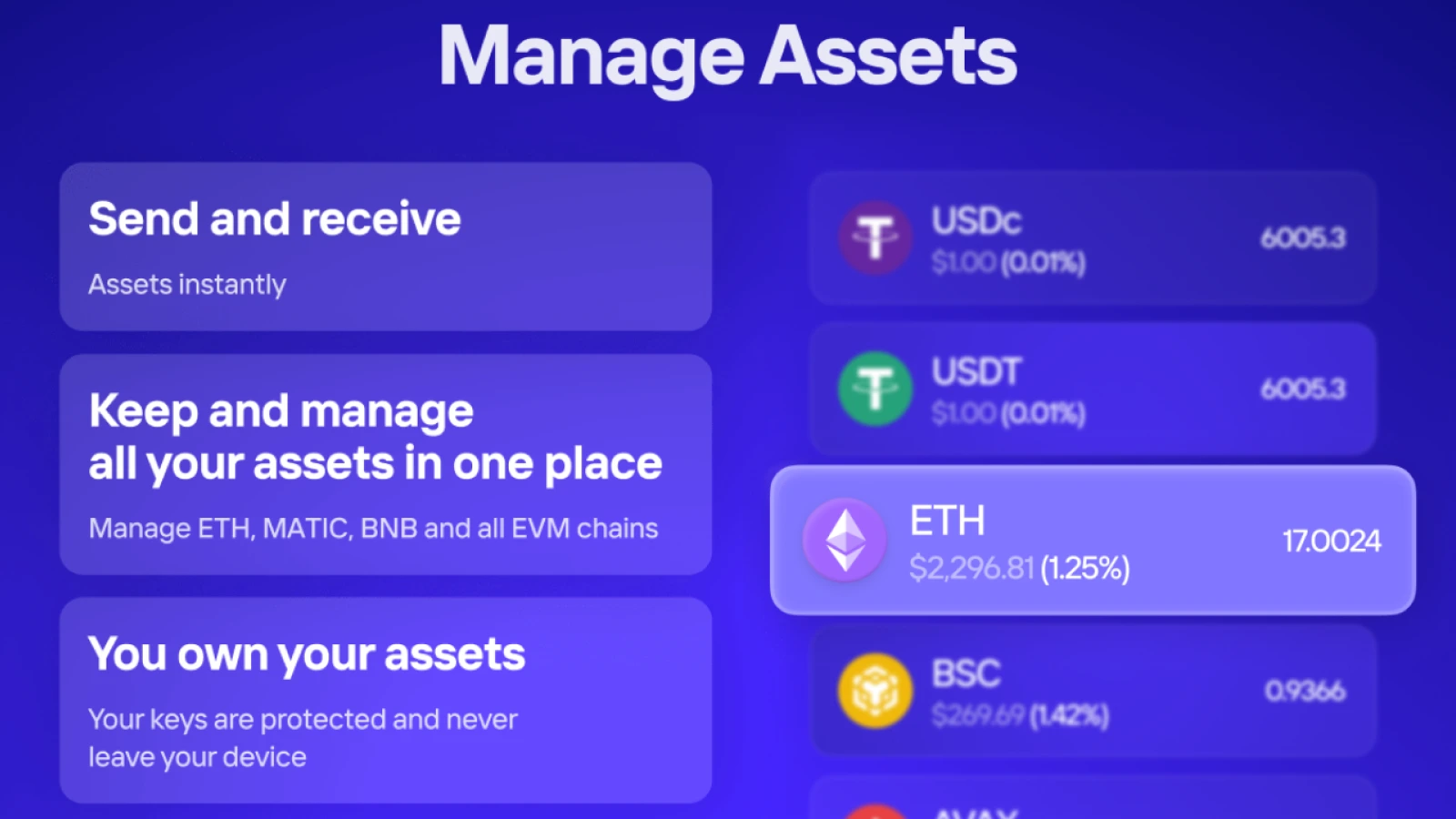
The Atomic Wallet Web3 Wallet Extension provides a self-custodial starting point for managing assets, connecting to DeFi, and exploring Web3 safely from your browser without relying on centralized platforms or third-party custody.