What Is Backpack? Token Launch and the Plan to Bring IPOs Onchain
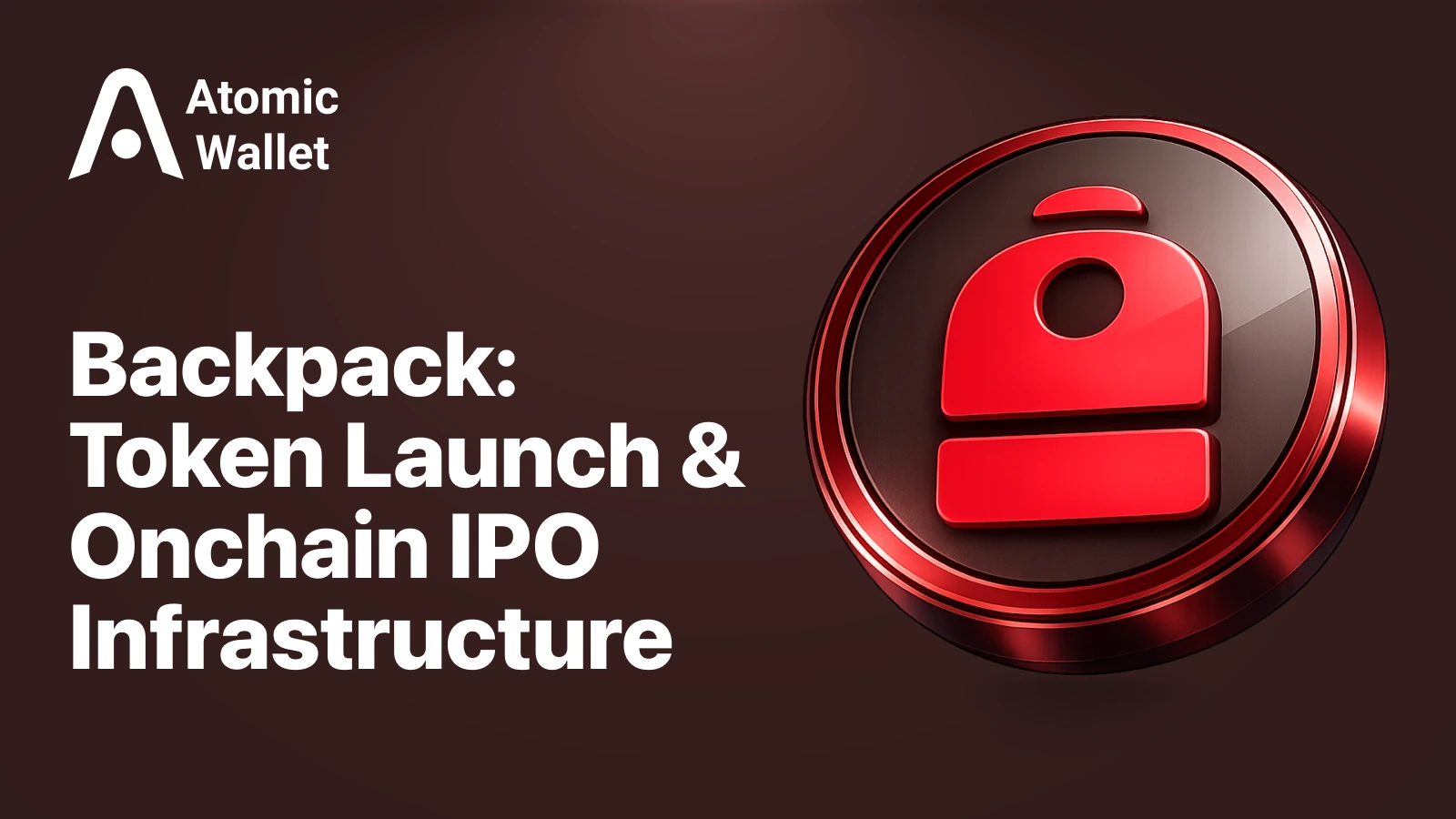
Backpack is a crypto platform that combines a wallet, centralized exchange, and application ecosystem within a single environment. Originally launched as a Web3 wallet on Solana, the project has expanded into a full trading infrastructure that aims to bridge decentralized applications, centralized exchange liquidity, and tokenized financial markets.
• crypto wallet and exchange platform
• originally launched as a Solana wallet
• built around the xNFT application model
• expanding into trading infrastructure and financial markets
• preparing for a native token launch

From Wallet to Exchange Infrastructure
Backpack first emerged as a crypto wallet focused on improving the user experience of decentralized applications. Instead of requiring users to navigate multiple websites and wallets, the platform introduced an integrated environment where applications could run directly inside the wallet interface.
Over time, the project expanded beyond wallet functionality. The launch of Backpack Exchange marked the transition toward a broader trading platform, allowing the ecosystem to combine wallet access, exchange liquidity, and application infrastructure within one system.
The xNFT Ecosystem Explained
A core innovation behind Backpack is the concept of xNFTs, which function as executable applications rather than simple collectible tokens. Instead of acting only as digital assets, xNFTs allow developers to build interactive programs that run directly inside the Backpack wallet environment.
This approach aims to simplify how users interact with decentralized applications by integrating them into a single interface rather than requiring external websites or multiple tools.
• executable NFTs acting as applications
• apps launched directly inside the wallet
• integrated Web3 user interface
• designed to simplify decentralized app interaction
The Mad Lads Connection
Backpack’s ecosystem is closely tied to the Mad Lads NFT collection, which was created by the same team behind the platform. The project quickly became one of the most prominent NFT communities on Solana and played an important role in driving early adoption of the Backpack wallet.
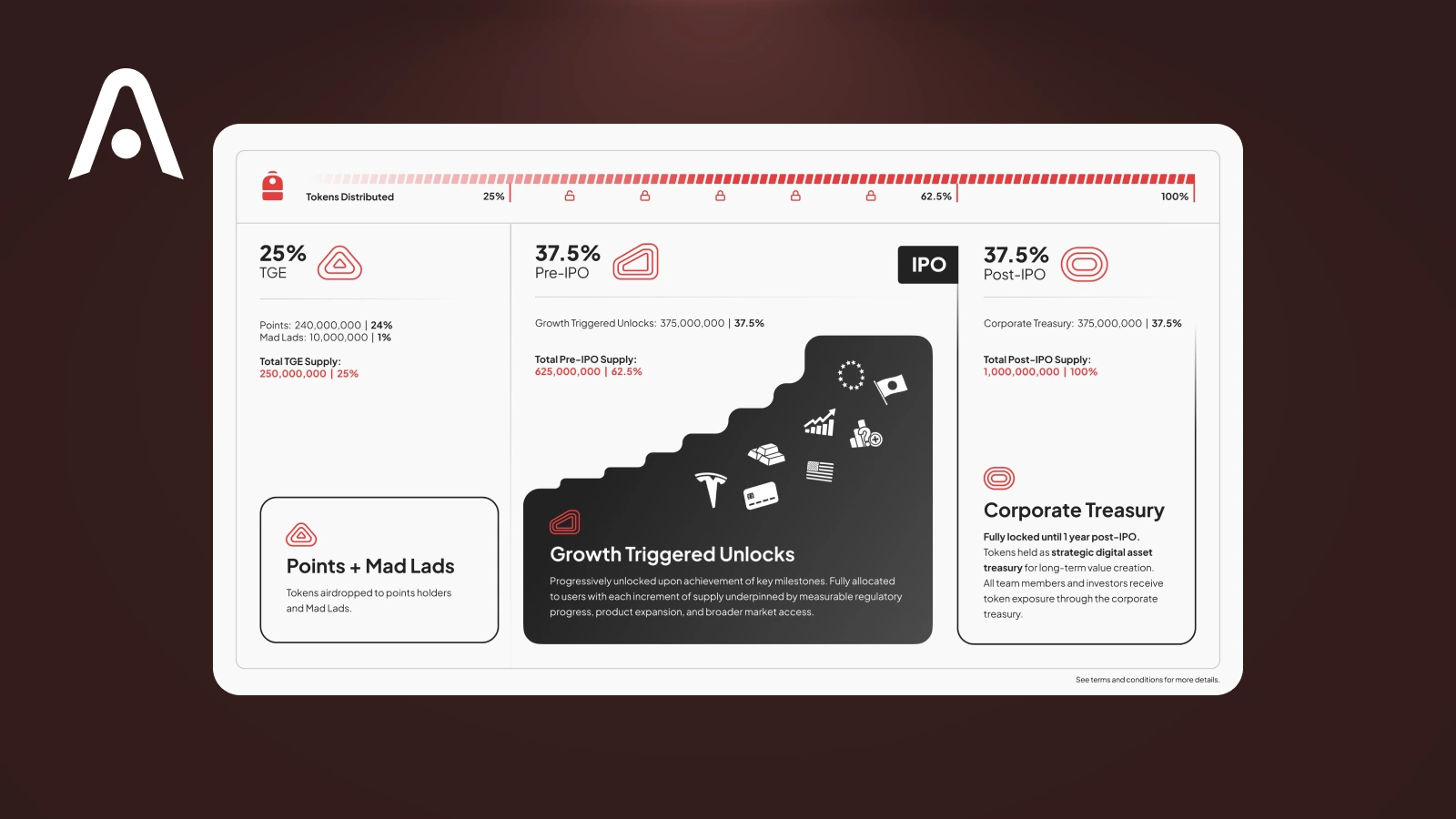
Mad Lads holders are also included in the token distribution model through a dedicated allocation, reflecting the collection’s role in helping bootstrap the ecosystem and its user base.
The Backpack Token Explained
Backpack is preparing to launch a native ecosystem token designed to support the platform’s exchange infrastructure and broader economic system. The token is expected to connect several parts of the ecosystem, including trading incentives, governance mechanisms, and long-term alignment between users and the platform’s growth.
Rather than functioning purely as a trading asset, the token is intended to serve as a coordination layer across the Backpack ecosystem, linking the wallet, exchange, and future financial infrastructure built on top of the platform.
• total supply: 1 billion tokens
• token designed for ecosystem coordination
• supports exchange and platform incentives
• tied to long-term platform expansion
Tokenomics and Airdrop Distribution
A portion of the token supply will be distributed to early ecosystem participants through and airdrop program tied to platform activity and NFT ownership. The structure is designed to reward users who engaged with Backpack before the token launch.
Backpack Points System
Before the token launch, Backpack introduced a points system designed to track user participation within the ecosystem. These points reflect activity across the platform, including engagement with the wallet and exchange infrastructure. The system helps determine eligibility for the upcoming token airdrop.
Rather than distributing tokens immediately, the platform first records participation through points. Once the token generation event takes place, a portion of the supply is allocated to users based on their accumulated activity.
Token ↔ Equity Conversion Model
One of the more unusual elements of the Backpack token design is a proposed mechanism that could allow long-term token holders to exchange tokens for equity exposure in the company ahead of a future IPO.
Under this concept, users who stake the token for an extended period — such as one year — may become eligible to convert their holdings into a share of a designated equity pool. If implemented, this model would connect a crypto token directly to ownership in the company operating the platform, a structure that is rarely seen in exchange tokens.
Backpack and the Vision for Onchain IPOs
Backpack is also exploring infrastructure that could allow users to access public offering allocations directly through blockchain systems. In partnership with financial infrastructure providers, the platform aims to create a model where IPO participation can be distributed through crypto-native interfaces rather than only through traditional brokerage channels.
If implemented, this approach would allow eligible users to receive allocations of newly issued shares before they begin trading on national stock exchanges. The idea is to combine the distribution efficiency of blockchain networks with traditional equity markets, potentially opening IPO access to a broader global user base.
Risks and Considerations
As with many emerging crypto platforms, several uncertainties remain around product development, regulatory frameworks, and the long-term role of tokens within exchange ecosystems. While the model introduces new possibilities, it also depends heavily on regulatory acceptance and market adoption.
• regulatory uncertainty around tokenized equities
• exchange competition in the crypto market
• dependency on product adoption
• volatility during token launch phases
What Backpack Signals About the Future of Crypto Exchanges
Crypto exchanges are increasingly evolving beyond simple trading venues into broader financial platforms. Over time, many platforms have added services such as wallets, lending markets, staking products, and application ecosystems in an attempt to expand their role within the digital asset economy.
Backpack represents a similar shift but approaches it from a different direction. By combining a wallet environment, a centralized exchange, and infrastructure for tokenized financial products, the platform is experimenting with a model where multiple layers of crypto activity can exist within a single system. If successful, this approach could influence how future exchanges integrate decentralized applications, digital assets, and potentially even traditional financial markets.
Use a Secure Wallet for Exchange Tokens
Participating in token launches and exchange ecosystems requires secure asset management and reliable wallet infrastructure. Always verify official announcements and interact only with trusted platforms when managing digital assets or claiming token distributions.
Atomic Wallet provides a non-custodial environment for securely storing and managing crypto assets across multiple blockchain networks while maintaining full control over private keys.