What Is a Mempool?
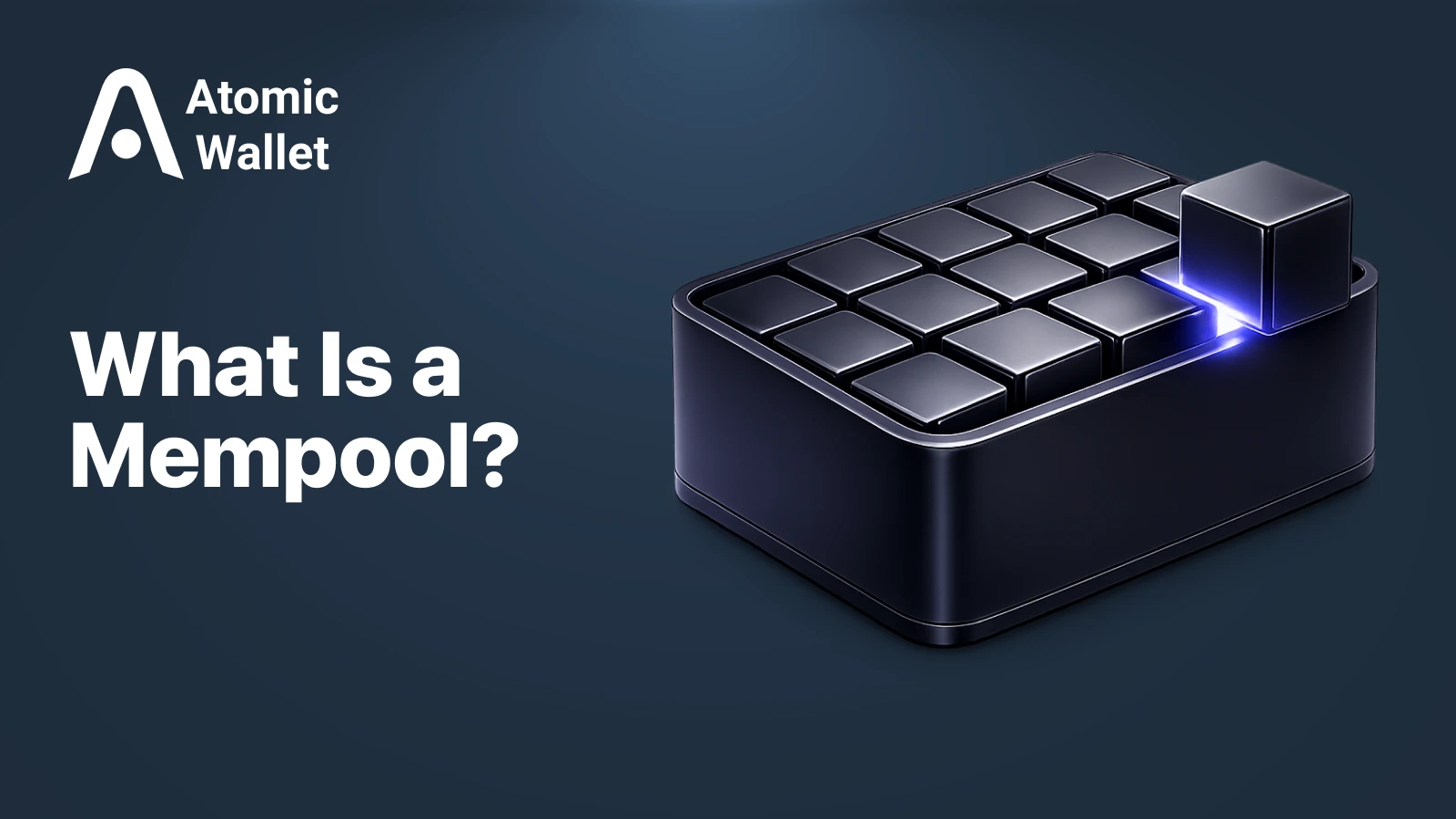
A mempool (short for “memory pool”) is a temporary holding area where blockchain transactions wait before being confirmed and added to a block. When you send crypto, the transaction does not go directly onto the blockchain — it first enters the mempool, where it stays until a miner or validator selects it for processing. This queue system helps the network organize and prioritize transactions based on factors like fees and demand.
• temporary queue for unconfirmed transactions
• holds transactions before they are added to a block
• used by miners and validators to select transactions
• affects confirmation speed and transaction fees
• exists on every blockchain node
How a Mempool Works
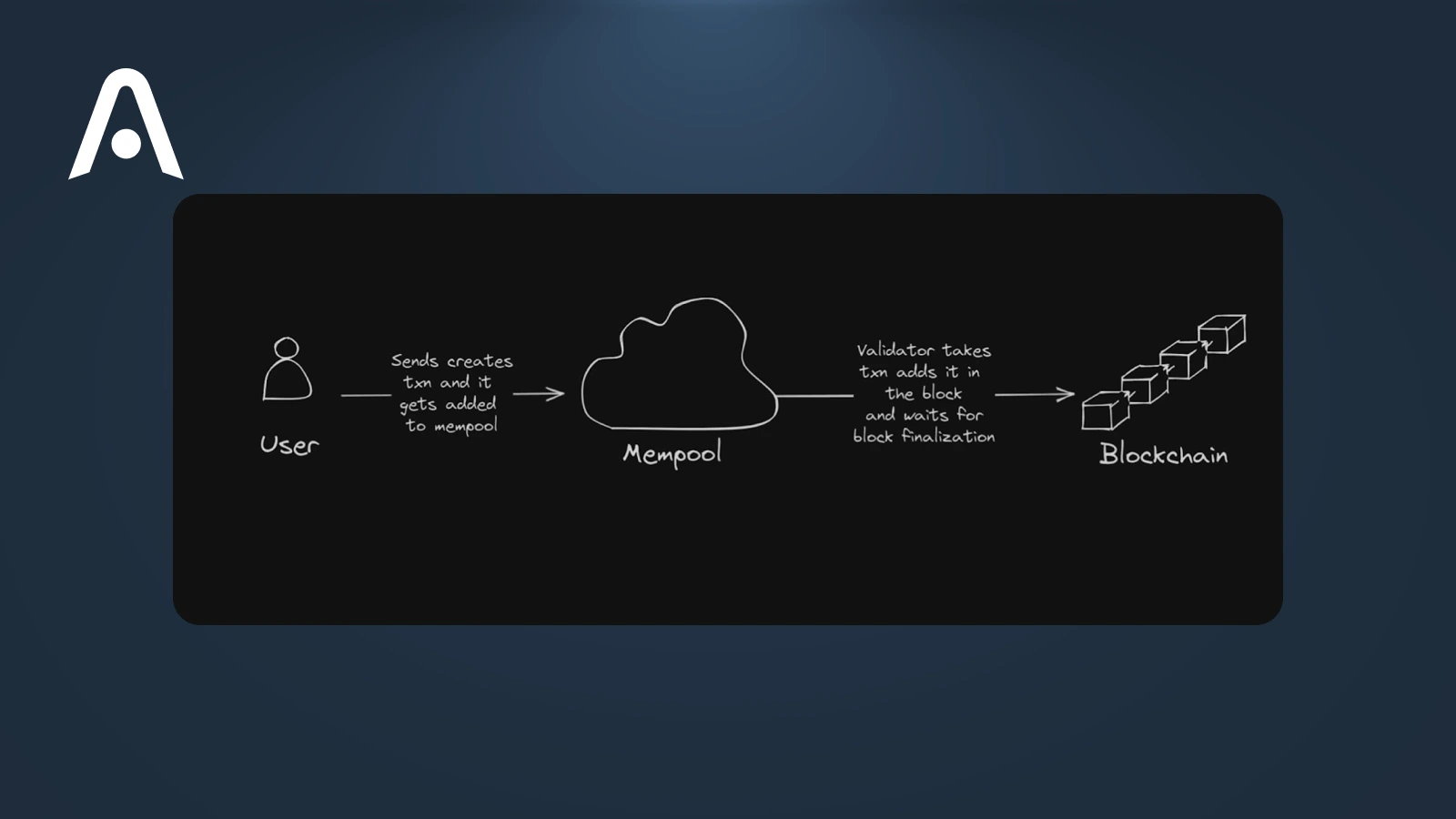
When a transaction is created, it is broadcast to the network and validated by nodes. If it meets the required conditions, it enters the mempool and becomes visible to miners or validators. From there, block producers choose which transactions to include in the next block — typically prioritizing those with higher fees. Once a transaction is included in a block and confirmed, it is removed from the mempool and permanently recorded on the blockchain.
Why Transactions Go to the Mempool
Transactions are not added to the blockchain instantly because each block has limited capacity and must be created by miners or validators. The mempool acts as an intermediate layer that queues valid transactions until there is space in a new block. This ensures the network can handle large volumes of activity without losing or ignoring transactions.
Why Transactions Get Stuck in the Mempool
• network congestion during periods of high demand
• transaction fee set too low compared to others
• limited block space on the network
• sudden spikes in activity (NFT mints, market volatility)
• miner or validator prioritization of higher-fee transactions
How to Speed Up a Stuck Transaction
• increase the transaction fee if your wallet supports it
• use Replace-By-Fee (RBF) on Bitcoin when enabled
• use “speed up” or priority fee features on EVM wallets
• apply Child-Pays-for-Parent (CPFP) for unconfirmed outputs
• wait for network congestion to decrease
Mempool and Transaction Fees
The mempool plays a direct role in how transaction fees are determined. When many transactions are waiting, users compete for block space by offering higher fees, which miners or validators prioritize. As a result, a busy mempool usually leads to higher fees and slower confirmations, while a less congested mempool allows transactions to be processed more quickly and cheaply.
Is There One Mempool or Many?
There is no single global mempool shared by the entire blockchain. Instead, each node maintains its own version of the mempool, which stores the transactions it has received and validated. While these mempools are generally similar, they may differ slightly depending on timing, network conditions, and node policies. This decentralized structure helps maintain network resilience and ensures transactions propagate across the system.
Mempool vs Blockchain
The mempool and the blockchain represent different stages in the transaction lifecycle. Before a transaction is confirmed, it exists in the mempool. Once validated and included in a block, it becomes part of the permanent blockchain record.
Does the Mempool Store Crypto?
The mempool does not store any cryptocurrency. It only holds transaction data that is waiting to be confirmed. Your assets always remain tied to your wallet address on the blockchain, not inside the mempool. Even if a transaction is pending, your funds are not “sitting” in the mempool — they are simply in a transitional state until the transaction is finalized.
Risks and Limitations of the Mempool
• delays during periods of network congestion
• higher transaction fees when demand increases
• low-fee transactions may be delayed or dropped
• different mempool views across nodes
• limited predictability of confirmation times
What the Mempool Signals About Network Activity
The mempool is a real-time indicator of how busy a blockchain network is. A growing mempool typically signals high demand, increased competition for block space, and rising transaction fees. Conversely, a smaller mempool suggests lower activity and faster, cheaper confirmations. Because of this, traders and users often monitor mempool data to time transactions more efficiently.
Manage Crypto Transactions Efficiently
Understanding how the mempool works helps you avoid delays, reduce fees, and better control your transactions.
Use a reliable non-custodial wallet to manage your crypto, monitor network conditions, and ensure your transactions are processed smoothly.