What Is Balancer? The Automated Market Maker Explained
Decentralized exchanges have changed the way people trade digital assets, but not all automated market makers are built the same.
While many AMMs rely on fixed pool structures, Balancer was designed with flexibility at its core. The protocol allows developers to create customizable liquidity pools, support multiple tokens in a single pool, and build advanced trading strategies that go beyond the traditional 50/50 model.
Today, Balancer has evolved into one of the most established liquidity protocols in decentralized finance, with Balancer v3 introducing a more modular architecture focused on efficiency, extensibility, and programmable liquidity.
What Is Balancer?
Balancer is a decentralized exchange (DEX) and automated market maker (AMM) protocol that enables users to swap tokens and provide liquidity through customizable liquidity pools.
Built on Ethereum, Balancer differs from many traditional AMMs by allowing liquidity pools to hold multiple assets with configurable weightings rather than requiring equal allocations between two tokens. This flexibility enables developers and liquidity providers to build pools tailored to specific trading strategies and DeFi applications.
Balancer is designed around several core capabilities:
- decentralized token swaps
- customizable liquidity pools
- multi-token portfolio management
- programmable AMM infrastructure
- yield-bearing liquidity
- developer-friendly architecture
Instead of offering a single liquidity model, Balancer provides a toolkit for building different types of automated market makers, making it one of the most flexible liquidity protocols in the DeFi ecosystem.
How Does Balancer Work?
Balancer uses liquidity pools instead of traditional order books to facilitate token swaps.
Users known as liquidity providers deposit digital assets into smart contract-based pools, creating the liquidity traders use when exchanging tokens. In return, liquidity providers earn a portion of the trading fees generated by the pool.
Unlike many AMMs that rely on fixed two-token pools with equal weighting, Balancer allows pools to contain multiple assets with customizable allocations. This gives developers and liquidity providers greater flexibility when designing investment strategies, index-style portfolios, yield-generating pools, and specialized DeFi products.
Every trade is executed automatically through smart contracts, allowing users to swap assets directly from their wallets without relying on centralized intermediaries.
What Makes Balancer Different?
Balancer is built around the idea that liquidity pools should be programmable rather than fixed.
Instead of limiting users to a single pool design, the protocol allows developers and liquidity providers to create pools with different asset combinations, weightings, fee structures, and behaviors. This flexibility makes Balancer suitable for everything from simple token swaps to more advanced DeFi strategies.
Some of the protocol’s distinguishing features include:
- customizable weighted pools
- multi-token liquidity pools
- programmable pool logic through Hooks
- dynamic swap fees
- support for yield-bearing assets
- flexible liquidity management
These capabilities make Balancer more than a decentralized exchange—it serves as a toolkit for building customized automated market makers.
Balancer v3 Explained
Balancer v3 introduces a more modular architecture designed to simplify development while improving efficiency and flexibility.
The latest version moves more core functionality into the protocol’s Vault, allowing pool implementations to remain simpler while making it easier to build new liquidity strategies and custom pool types. This architecture also reduces duplicated logic across pools and improves the overall developer experience.
Some of the key improvements in Balancer v3 include:
- a redesigned Vault architecture
- modular pool development
- support for programmable Hooks
- greater flexibility for custom liquidity pools
- improved capital efficiency
- simplified protocol integrations
Together, these changes position Balancer v3 as a platform for building next-generation AMMs rather than simply operating a decentralized exchange.
Types of Balancer Pools
Balancer supports multiple pool designs, allowing liquidity providers and developers to choose the model that best fits their objectives.
Instead of relying on a single liquidity structure, the protocol offers specialized pool types optimized for different assets and trading strategies.
Some of the most widely used pool types include:
BAL Token Utility
BAL is the native governance token of the Balancer ecosystem.
Rather than functioning solely as a trading asset, BAL helps coordinate the protocol’s long-term development by giving token holders the ability to participate in governance and ecosystem decisions. The token also plays an important role in community incentives designed to encourage liquidity provision and protocol participation.
Key uses of the BAL token include:
- participating in protocol governance
- voting on ecosystem proposals
- supporting liquidity incentive programs
- contributing to long-term protocol development
As the Balancer ecosystem continues to evolve, BAL remains central to community governance and the ongoing growth of the protocol.
Balancer’s Security and the V2 Exploit
Security has played a major role in Balancer’s evolution.
In late 2025, Balancer v2 experienced a significant exploit that affected liquidity pools across multiple blockchain networks. The incident resulted in substantial losses and prompted the team to accelerate its transition away from the affected architecture.
The exploit highlighted the challenges of securing complex DeFi infrastructure while reinforcing the importance of continuous audits, protocol upgrades, and risk management. Balancer v3 was designed with a more modular architecture that separates core protocol logic from individual pool implementations, helping simplify development and improve the protocol’s long-term maintainability.
Like all decentralized finance protocols, Balancer users should evaluate smart contract risks and understand that no DeFi application can completely eliminate security risk.
Balancer Today
Balancer remains one of the most recognized automated market maker protocols in decentralized finance.
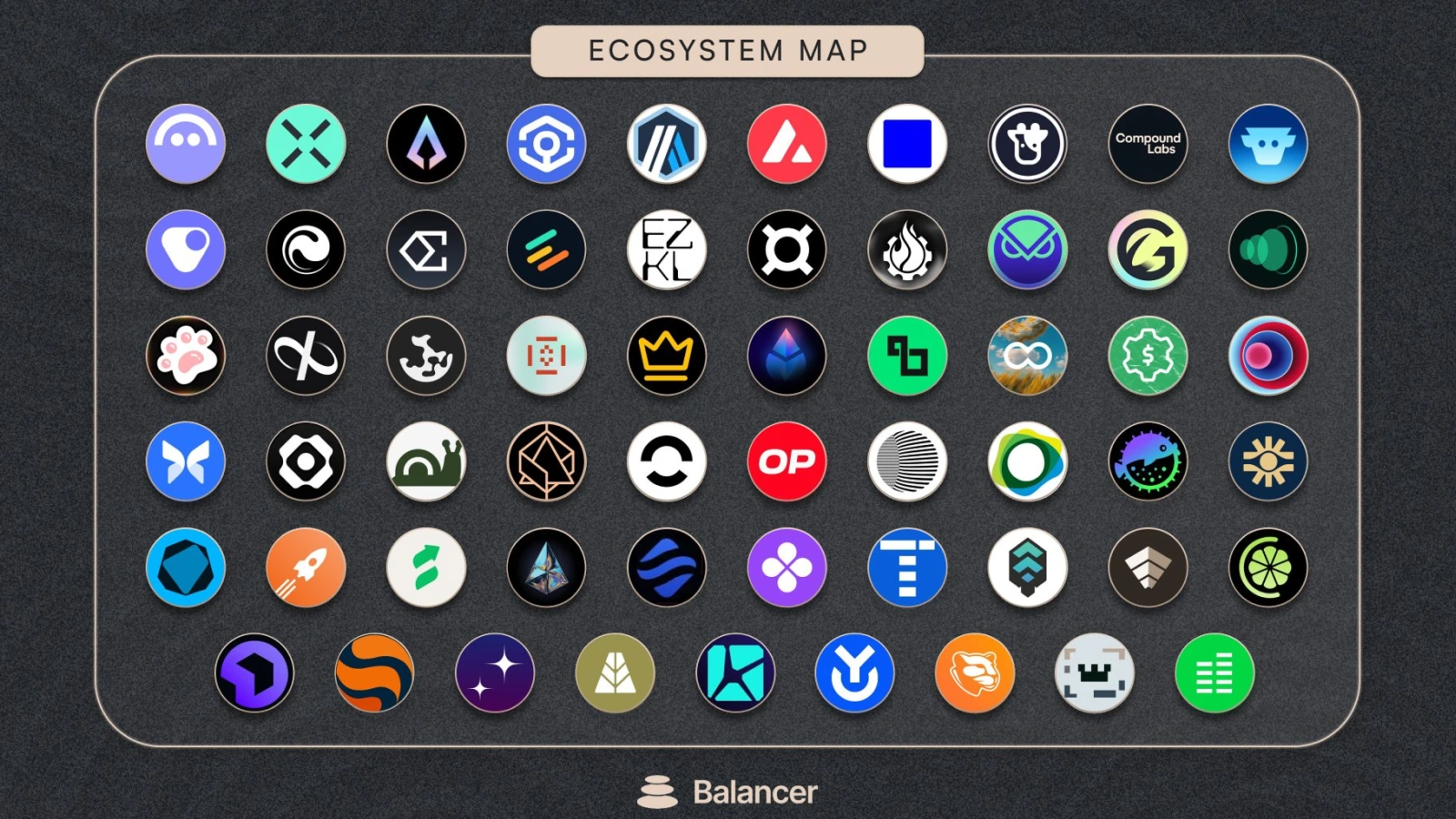
The protocol continues to support token swaps, liquidity provision, and custom pool development across multiple blockchain ecosystems while expanding Balancer v3 adoption. Its flexible architecture has made it a foundation for developers building advanced DeFi products rather than simply another decentralized exchange.
Today, Balancer is known for:
- programmable AMM infrastructure
- customizable liquidity pools
- multi-chain deployments
- a growing developer ecosystem
- support for advanced DeFi strategies
As decentralized finance continues to mature, Balancer’s focus on flexible liquidity infrastructure positions it as a platform for experimentation and innovation rather than a one-size-fits-all exchange.
Managing BAL Securely
Keeping control of your assets is an essential part of participating in decentralized finance.
Whether you’re holding BAL, providing liquidity, or interacting with DeFi protocols, a self-custody wallet ensures that you remain in control of your private keys rather than relying on a centralized service.
To improve your security:
- store your recovery phrase offline
- never share your private keys or seed phrase
- verify smart contracts before approving transactions
- review wallet permissions regularly
- interact only with trusted DeFi applications
Atomic Wallet provides a secure self-custody solution for managing BAL alongside hundreds of other digital assets while giving you full control over your crypto.
Conclusion: The Future of Programmable Liquidity
Balancer has grown beyond a traditional decentralized exchange into a platform for building customizable liquidity infrastructure.
Its programmable pool architecture, flexible liquidity models, and modular design allow developers to create AMMs tailored to different markets and financial applications instead of relying on fixed templates.
As decentralized finance continues to evolve, infrastructure that supports greater flexibility and experimentation will become increasingly important. Balancer’s focus on programmable liquidity positions the protocol as one of the key building blocks for the next generation of DeFi.