What Is DigiByte? A Multi-Algorithm Blockchain Built for Payments
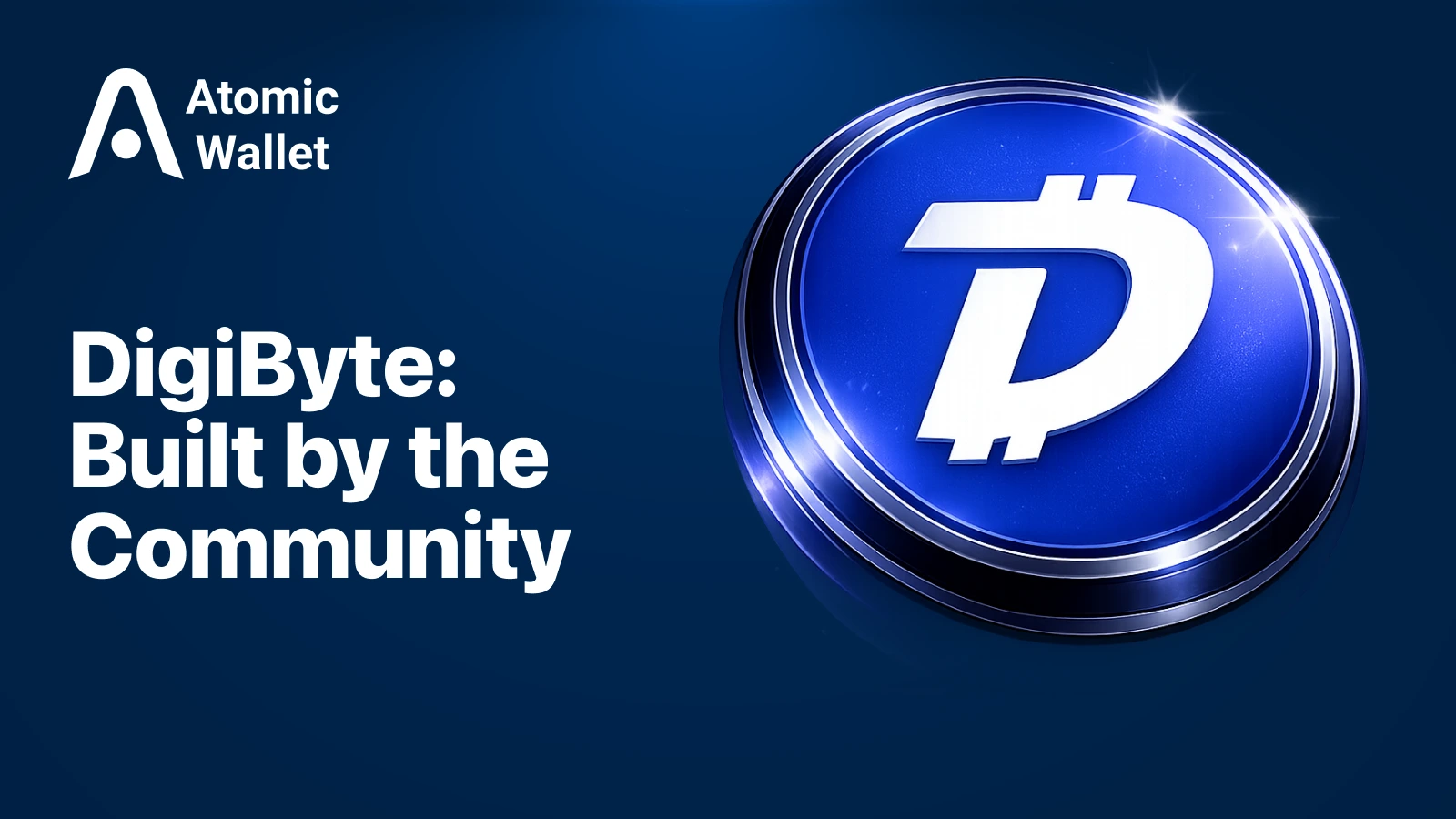
For more than a decade, new blockchains have promised to solve Bitcoin’s biggest limitations. Faster transactions, lower fees, better scalability, and stronger decentralization have become common selling points across the industry.
DigiByte has been pursuing those goals since 2014.
As one of the longest-running UTXO blockchains, DigiByte was built to improve digital payments without abandoning the security principles that made Bitcoin successful. Instead of relying on a single mining algorithm, the network combines five different Proof-of-Work algorithms to strengthen decentralization while delivering faster transaction confirmations and lower fees.
Today, DigiByte remains an open-source, community-driven blockchain that supports digital payments, tokenized assets, decentralized applications, and secure authentication—all without an ICO, premine, or centralized organization controlling the network.
Why DigiByte Was Created
DigiByte was designed to build on Bitcoin’s strengths while addressing some of its practical limitations.
Bitcoin introduced decentralized digital money, but it was never optimized for fast everyday payments. Longer confirmation times, growing transaction demand, and mining centralization became recurring topics as blockchain adoption increased.
DigiByte set out to improve that experience.
The project focused on several key areas:
- faster transaction confirmations
- lower transaction fees
- stronger mining decentralization
- improved network security
- greater scalability for everyday payments
Rather than replacing Bitcoin, DigiByte followed a different philosophy.
It retained the familiar UTXO model and Proof-of-Work consensus while introducing its own innovations, including multi-algorithm mining, DigiShield difficulty adjustments, and shorter block times.
The result is a blockchain designed to remain secure while making digital payments faster and more accessible for everyday use.
How DigiByte Works
DigiByte is built as a three-layer blockchain designed to separate infrastructure, security, and applications.
Rather than treating the blockchain as a single system, DigiByte organizes the network into layers that each serve a different purpose. This structure allows the protocol to support much more than simple peer-to-peer payments.
The architecture can be summarized as follows:
The Core Protocol forms the foundation of the network, allowing thousands of independently operated nodes to communicate and validate transactions. Above it sits the public ledger, where every DigiByte transaction is permanently recorded. The top layer extends the blockchain with features such as tokenized assets, decentralized applications, and other services built through the DigiAssets protocol.
This layered approach allows DigiByte to evolve beyond a payment network while preserving the security and reliability expected from a Proof-of-Work blockchain.
Why DigiByte Uses Five Mining Algorithms
Most Proof-of-Work blockchains rely on a single mining algorithm. DigiByte uses five.
Instead of concentrating mining around one type of hardware, DigiByte distributes block production across multiple algorithms. This approach is designed to make the network more decentralized, improve resilience, and reduce the risk that a single group of miners could dominate the blockchain.
The network currently supports:
- SHA-256
- Scrypt
- Skein
- Qubit
- Odocrypt
Each algorithm attracts different types of mining hardware, including ASICs, GPUs, and FPGAs. By spreading mining activity across multiple ecosystems, DigiByte reduces dependence on any single mining market while making participation more accessible to a broader range of miners.
The system also works alongside DigiShield, DigiByte’s real-time difficulty adjustment mechanism, helping the network respond quickly to changes in mining power and maintain stable block production.
Together, these technologies form one of DigiByte’s defining characteristics and remain a key reason why the project continues to emphasize decentralization alongside security.
DigiByte vs Bitcoin
DigiByte and Bitcoin share the same UTXO foundation, but they were designed with different priorities.
Bitcoin focuses on being the world’s most secure and decentralized digital store of value. DigiByte builds on that model while emphasizing faster confirmations, lower fees, and broader participation in network security through multi-algorithm mining.
The differences are easier to understand side by side:
Despite these differences, both networks rely on Proof-of-Work, the UTXO transaction model, and decentralized validation. Rather than replacing Bitcoin, DigiByte positions itself as an alternative optimized for high-speed, low-cost digital payments.
Beyond Payments: DigiAssets and Smart Contracts
Although DigiByte is best known as a payment network, its ecosystem extends beyond simple value transfers.
The DigiAssets protocol allows developers to create and manage digital assets directly on the DigiByte blockchain. These assets can represent tokens, certificates, digital collectibles, or other forms of verifiable ownership without requiring a separate blockchain.
The platform also supports a broader application layer that enables developers to build decentralized applications while benefiting from DigiByte’s underlying security and global node network.
Some of the ecosystem’s capabilities include:
- tokenized digital assets
- decentralized applications (dApps)
- smart contract functionality
- secure asset issuance
- immutable onchain records
By expanding beyond payments, DigiByte aims to provide a foundation for blockchain applications while maintaining the speed and security that originally defined the network.
What Is Digi-ID?
Digi-ID is DigiByte’s blockchain-based authentication system that allows users to sign in without usernames or passwords.
Instead of storing login credentials on centralized servers, Digi-ID uses public-key cryptography to verify a user’s identity. Authentication takes place by scanning a QR code and approving the request from a compatible wallet, reducing the need to remember passwords or expose sensitive information online.
This approach offers several advantages:
- passwordless authentication
- no centralized password database
- reduced phishing risk
- improved privacy
- fast login across supported services
Because no passwords are transmitted or stored, Digi-ID removes one of the most common attack vectors used in traditional authentication systems.
DGB Tokenomics
DGB is the native cryptocurrency that secures and powers the DigiByte network.
Unlike many modern crypto projects, DigiByte launched without an ICO, premine, or venture capital allocation. Every DGB in circulation has entered the market through Proof-of-Work mining, reflecting the project’s community-driven philosophy.
Some of the key characteristics of DGB include:
- maximum supply of 21 billion DGB
- 100% Proof-of-Work issuance
- no ICO or premine
- monthly block reward reductions
- estimated final coin issuance around 2035
The larger supply is intentional. While Bitcoin was designed with a cap of 21 million coins, DigiByte adopted a 1,000:1 ratio, resulting in a total supply of 21 billion DGB. Combined with gradual monthly reward reductions instead of four-year halving events, the network follows a smoother long-term issuance model while maintaining a fixed maximum supply.
Why Investors Still Follow DigiByte
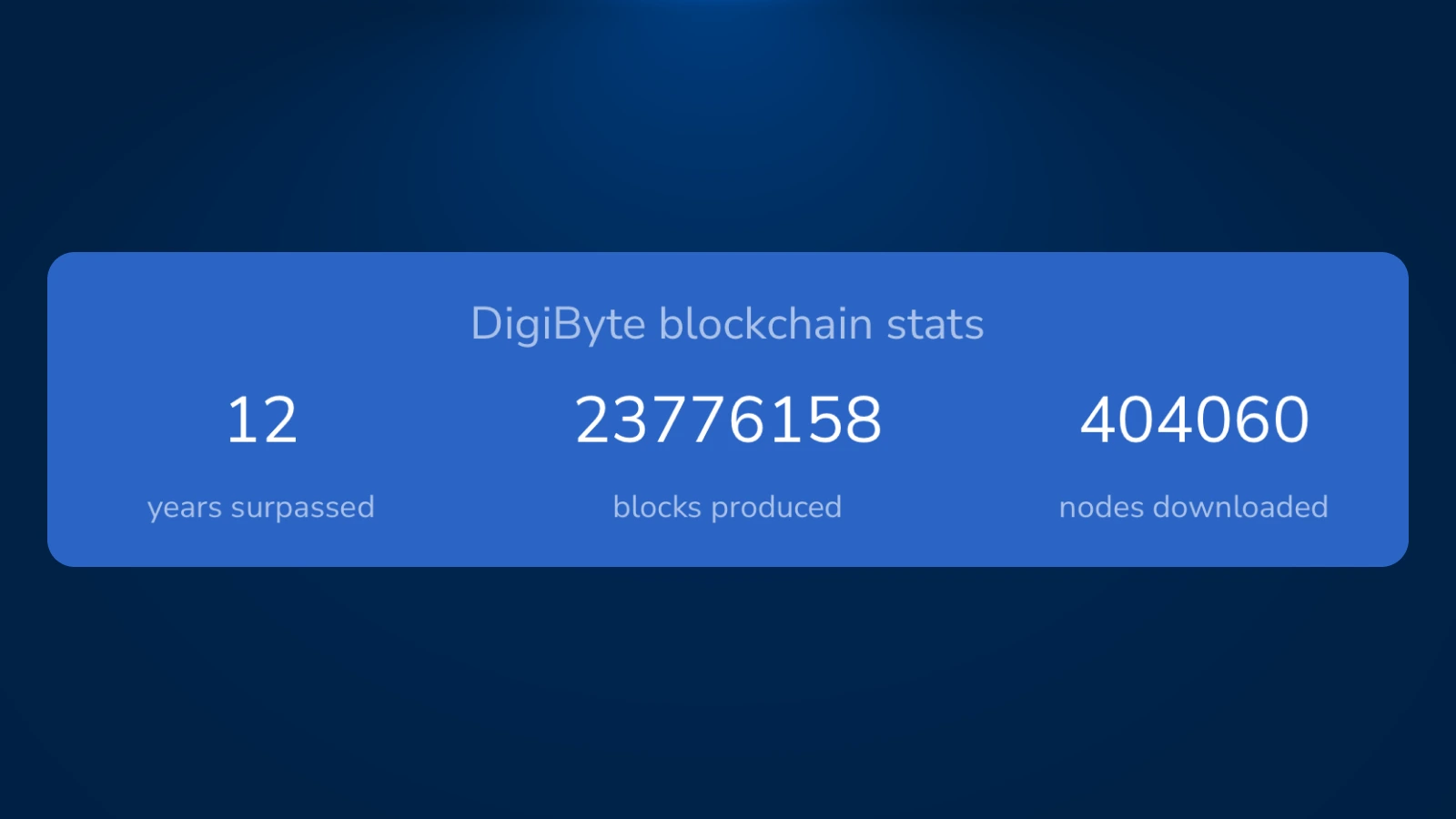
DigiByte remains relevant because it has survived multiple market cycles without changing its core identity.
Many blockchain projects rely on venture funding, centralized foundations, or aggressive incentive programs to attract attention. DigiByte has taken a different path. It has remained open-source, volunteer-driven, and focused on Proof-of-Work security since 2014.
That long operating history is one of its strongest signals.
Investors and long-term supporters continue to follow DigiByte for several reasons:
- more than a decade of network uptime
- community-led development
- no ICO or premine
- five mining algorithms
- fast and low-cost transactions
- continued support for payments, DigiAssets, and Digi-ID
For some users, DigiByte represents a more traditional crypto thesis: a decentralized, mineable, permissionless network built for payments rather than a venture-backed platform chasing the latest narrative.
Risks Investors Should Know
DigiByte’s strengths do not remove the challenges it faces in a much more competitive crypto market.
The project has a long history, but newer blockchain networks now compete aggressively for developers, liquidity, users, and institutional attention. Many offer larger ecosystems, stronger funding, and more visible marketing than DigiByte.
Adoption is another important consideration.
While DigiByte has built useful technology around payments, assets, and authentication, it has not achieved the same level of mainstream usage as Bitcoin, Ethereum, Solana, or other larger ecosystems.
Key risks include:
- limited ecosystem growth compared with major Layer 1s
- lower developer activity than newer platforms
- strong competition from faster payment networks
- reduced visibility in current market narratives
- token volatility
For investors, DigiByte is best understood as an established community-driven blockchain with a long track record, but also with clear adoption and growth challenges.
Managing DGB Securely
Self-custody is especially important for users who value DigiByte’s permissionless design.
DigiByte was built around open access, decentralization, and direct peer-to-peer ownership. Holding DGB in a self-custody wallet keeps that philosophy intact by allowing users to control their private keys instead of relying on a centralized exchange.
Atomic Wallet allows users to securely manage DGB alongside thousands of other digital assets through a self-custody experience designed to keep users in control of their funds.
Conclusion: Is DigiByte Still Relevant Today?
DigiByte is one of the older blockchain networks that still represents the original spirit of crypto: open-source, decentralized, mineable, and community-driven.
Its multi-algorithm mining system, fast block times, low fees, and long operating history continue to make it stand out among Proof-of-Work blockchains.
At the same time, the market has changed dramatically since 2014.
DigiByte now competes with larger ecosystems, better-funded Layer 1 networks, and newer blockchain platforms that move faster in terms of developer adoption and public attention.
The core question is not whether DigiByte has survived. It has.
The real question is whether a community-built Proof-of-Work blockchain can regain relevance in a market increasingly dominated by venture-backed ecosystems, institutional narratives, and high-throughput smart contract platforms.
That answer will depend on adoption, developer activity, and whether users continue to value DigiByte’s combination of speed, decentralization, and community ownership.