What Is EdgeX? Inside the EDGE Chain and the 2026 Token Launch
EdgeX is a perpetual trading platform built for high-performance derivatives execution. It began as an application-specific validium and evolved into a specialized trading environment focused on speed, liquidity, and capital efficiency. Rather than positioning itself as a broad DeFi ecosystem, EdgeX concentrates on orderbook-based perpetual markets designed to compete with centralized exchanges in execution quality.
Core characteristics include:
• A perpetual trading platform focused on derivatives
• Orderbook-based execution instead of AMM routing
• Up to 100x leverage on major markets
• StarkEx-based settlement with validium roots
• Engineered as a high-performance trading venue
Importantly, EdgeX is a trading application first. The token launch and broader ecosystem exist around the exchange infrastructure — not the other way around.
What Is EDGE Chain?
EDGE Chain is the dedicated network layer that powers the EdgeX ecosystem. It represents the evolution from an application-specific validium model to a purpose-built chain optimized for financial markets. While EdgeX is the trading interface and execution engine, EDGE Chain serves as the settlement and infrastructure backbone.
The network is designed specifically for high-frequency orderbook trading, prioritizing throughput, deterministic execution, and low latency. Rather than supporting a wide array of unrelated applications, EDGE Chain focuses on performance-critical trading workloads. This specialization allows it to function as a native settlement layer for derivatives, positioning it closer to a trading network than a general-purpose Layer 2.
Native USDC and Circle’s Investment — Why It Matters
One of the most significant developments in the EDGE ecosystem is the integration of native USDC and Circle’s Cross-Chain Transfer Protocol (CCTP). This moves the platform away from relying on wrapped or bridged stablecoins and toward direct, regulated settlement infrastructure. Combined with Circle Ventures’ investment, the integration signals institutional alignment rather than purely speculative expansion.
Key implications include:
• Native USDC used directly for settlement and collateral
• CCTP enabling secure cross-chain USDC transfers
• Reduced reliance on wrapped or synthetic assets
• Circle Ventures backing the team behind EDGE Chain
• Stronger institutional credibility for the ecosystem
For a trading-focused network, stablecoin settlement quality matters. Native USDC reduces friction and strengthens the financial infrastructure layer.
EDGE Token Launch Explained
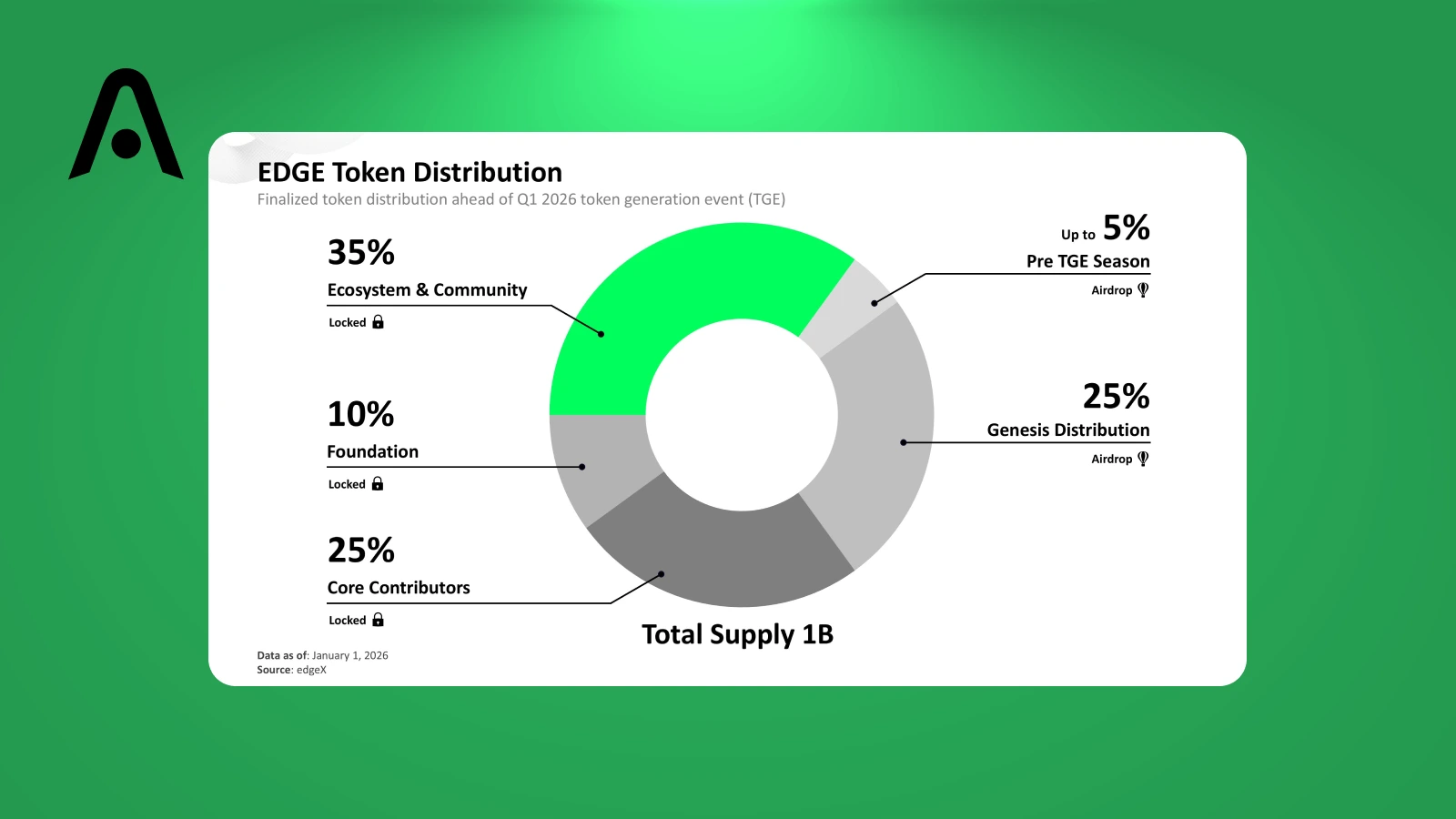
The EDGE token is scheduled to launch alongside the broader transition to EDGE Chain. The total supply is set at 1 billion tokens, with allocations designed to balance ecosystem growth, contributor incentives, and community distribution.
The planned structure includes:
• 1 billion total supply
• TGE expected on or before March 31, 2026
• 35% allocated to Ecosystem & Community (locked)
• 25% to Core Contributors (locked)
• 25% via Genesis Distribution (airdrop)
• 10% to Foundation (locked)
• Up to 5% allocated to the Pre-TGE Season
The EDGE token is intended to play a role in governance and ecosystem participation rather than acting as a simple trading reward asset. As with all token launches, allocation schedules and unlock structures are important factors to monitor.
The Pre-TGE Season and XP Incentives
Ahead of the token generation event, EdgeX introduced a Pre-TGE Season designed to reward platform activity through an internal points system called XP. This campaign replaced the earlier Open Season program and runs until the TGE, with token allocation scaling depending on the launch timeline.
XP functions as an activity tracker rather than a token itself. Users accumulate points weekly based on measurable platform engagement.
The mechanics include:
• XP distributed weekly based on activity
• Trading volume weighted at 60% of total allocation
• Spot trading earns a 3x multiplier over perpetuals
• Perpetual trading losses account for 10% (rewarding realized drawdowns)
• Vault participation and TVL contributions weighted at 10%
• Referrals account for 20%
• Additional XP boosts via mobile trading, $MARU holdings, and Messenger status
• Allocation scales up to 5% of total supply depending on TGE timing
The structure is explicitly incentive-driven. It rewards usage patterns that increase liquidity, depth, and user retention — but participation does not guarantee future token value.
How EDGE Chain Generates Revenue
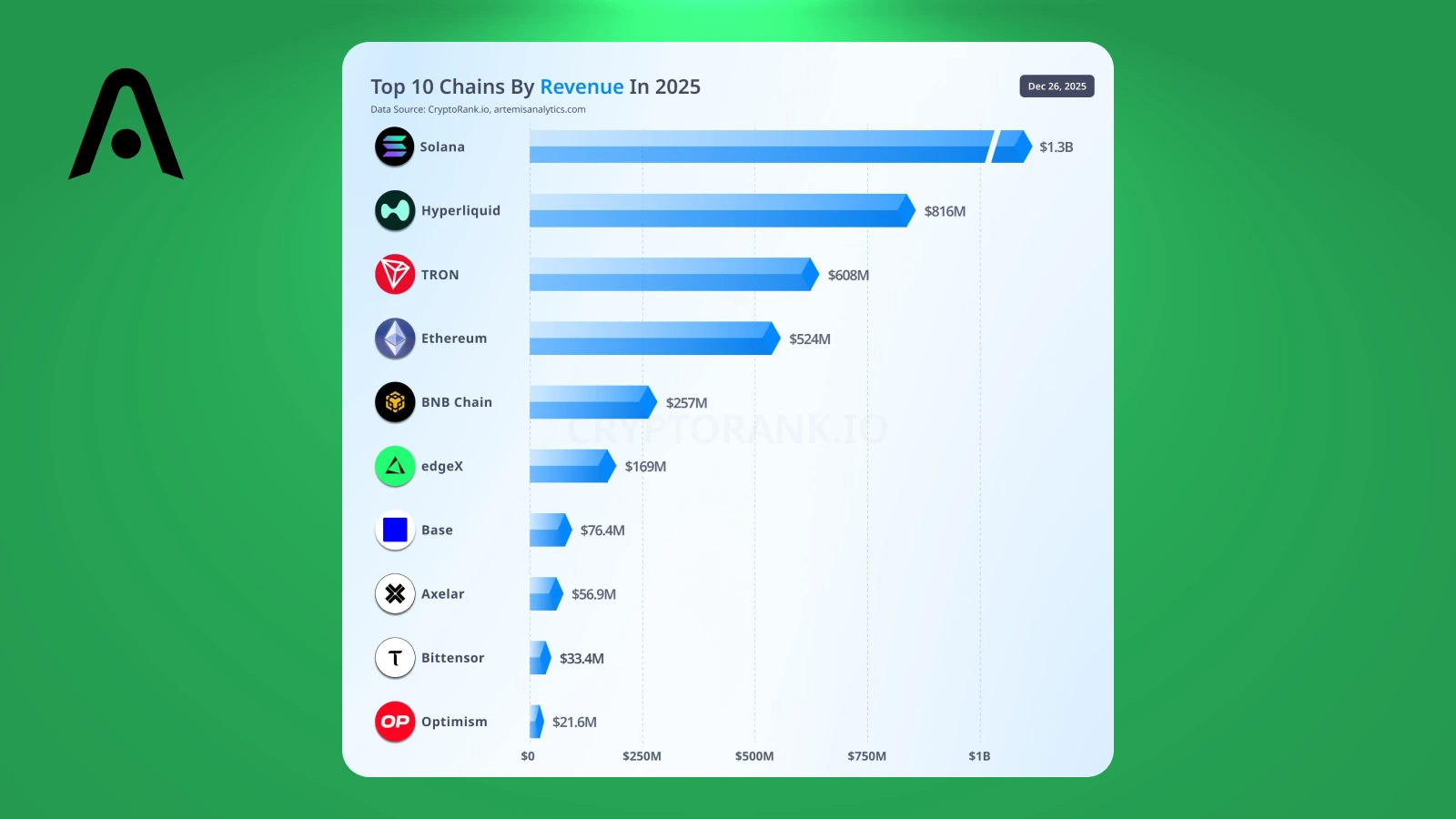
EDGE Chain’s revenue model is heavily concentrated around derivatives activity. Unlike general-purpose blockchains that depend on broad app ecosystems, EDGE captures value directly from high-turnover perpetual trading.
Revenue sources primarily include:
• Trading fees from perpetual markets
• High leverage driving elevated turnover
• Volume concentration in flagship pairs
• Liquidity programs that deepen market depth
• Planned expansion into spot and prediction markets under V2
Because perpetual markets generate continuous funding flows and high-frequency trading activity, fee density per user is significantly higher than in typical DeFi ecosystems. This concentration explains why trading-focused chains can rank among the top revenue-generating networks despite serving a narrower use case.
EDGE Chain vs Other Perpetual Networks
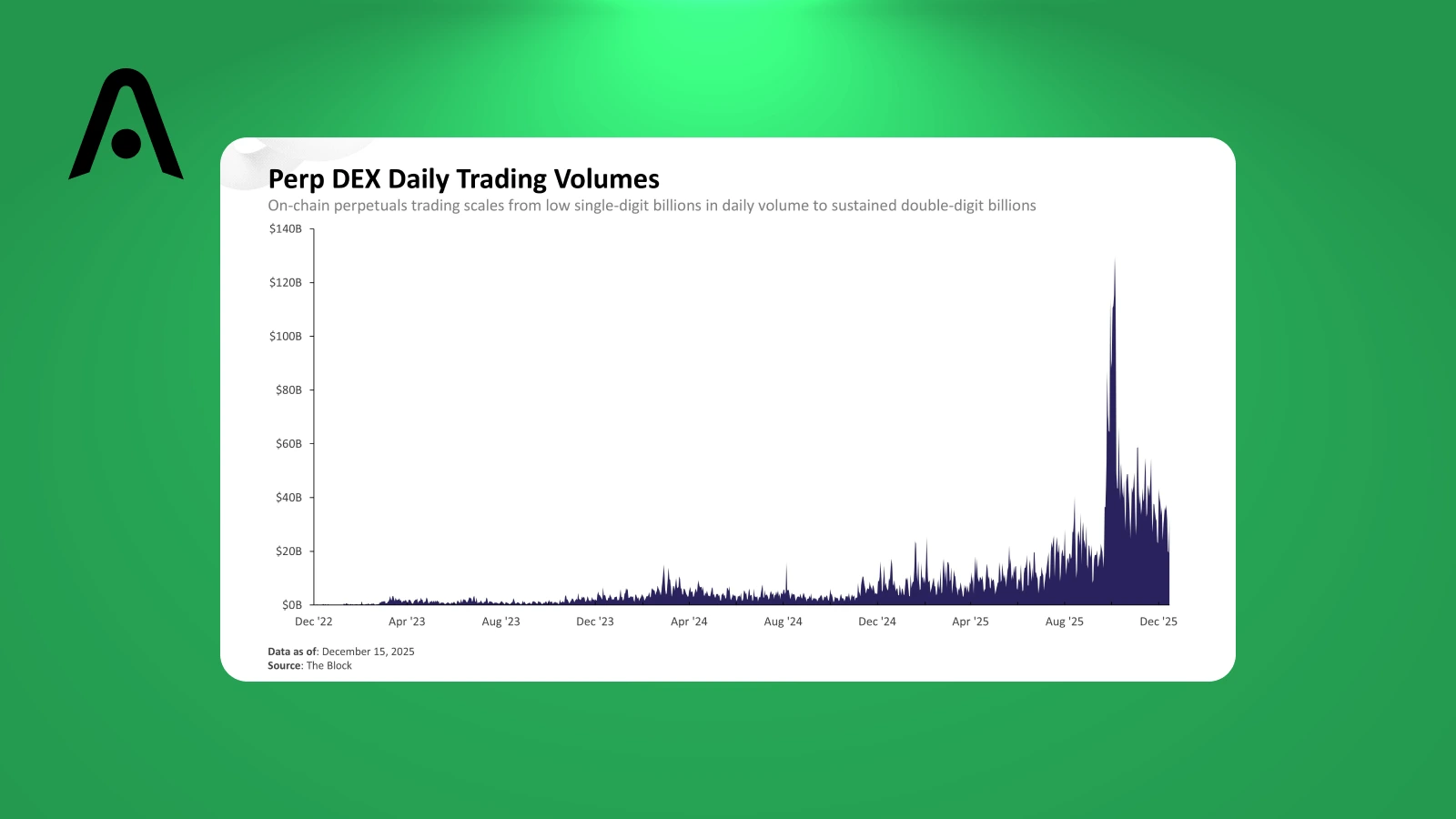
EDGE Chain is part of a growing category of app-specific trading networks focused on onchain perpetual markets. While platforms may share a similar objective — optimizing derivatives trading performance — their architectural choices and ecosystem positioning differ.
Risks and Considerations
Trading-focused networks are structurally different from multi-purpose blockchains, and that specialization comes with trade-offs. Revenue concentration can be powerful during active market cycles — but it can also amplify volatility during slow periods.
Important considerations include:
• Dependency on sustained trading volume
• Incentive-driven activity potentially inflating short-term metrics
• Token unlock and supply overhang risk
• Centralization trade-offs in performance-focused architectures
• Sensitivity to broader crypto market cycles
Because perpetual markets thrive on volatility, these networks are tightly correlated with trader participation and macro conditions. When volatility contracts, fee generation can slow significantly.
What This Means for Perpetual Traders
The rise of EDGE Chain reinforces a broader shift in crypto infrastructure: performance specialization is becoming a competitive moat. For traders, the question is no longer just which asset to trade — but where to execute.
Execution quality depends on several structural factors: liquidity depth, matching latency, risk engine design, fee structure, and settlement reliability. Trading-focused chains attempt to optimize all of these variables within a single environment.
Not all perpetual platforms are built the same. Some prioritize decentralization breadth, others optimize raw speed, and others focus on incentive-driven liquidity. Understanding the underlying infrastructure is increasingly part of the trader’s edge.
Trade Perpetuals With Secure Infrastructure
Perpetual trading is infrastructure-driven. Liquidity depth, execution design, and platform reliability directly affect performance.
Access perpetual markets using secure, non-custodial infrastructure.
Download Atomic Wallet to manage your assets safely and access perpetual trading platform with full control over your funds.