What Is FUD in Crypto? How Fear Drives Market Moves

FUD (Fear, Uncertainty, and Doubt) refers to the spread of negative or misleading information that creates fear among investors and influences market behavior. In crypto, FUD is often used to trigger emotional reactions, leading to panic selling and short-term price drops. Even unverified rumors or exaggerated headlines can impact sentiment and cause volatility across the market.
• stands for Fear, Uncertainty, and Doubt
• negative or misleading market narratives
• triggers emotional decision-making
• can lead to panic selling
• widely used in crypto and financial markets
Why FUD Spreads in Crypto Markets
FUD spreads quickly in crypto because the market is highly sensitive to news, speculation, and sentiment. Unlike traditional markets, crypto operates 24/7 and is heavily influenced by social media, where information — both accurate and false — can go viral within minutes. Combined with volatility and uncertainty around regulation, this creates an environment where fear-driven narratives can easily take hold and move prices.
Common Sources of FUD
FUD in crypto usually originates from a mix of media narratives, social platforms, and market competition. Because the industry moves fast and lacks clear regulation, even weak or misinterpreted signals can quickly turn into widespread fear. Information spreads rapidly, and once a negative narrative gains traction, it can influence thousands of market participants within minutes.
Most common sources of FUD include:
• social media and influencers amplifying rumors
• sensational or misleading news headlines
• regulatory announcements or speculation
• competing projects pushing negative narratives
• misinterpreted data or out-of-context metrics
How FUD Affects Prices
FUD impacts prices by triggering emotional reactions that lead to rapid selling. When negative sentiment spreads, investors may exit positions to avoid losses, increasing selling pressure and pushing prices down. This often results in short-term volatility, even if the underlying fundamentals of the asset remain unchanged.
How to Recognize FUD
• lack of credible or verifiable sources
• overly emotional or alarmist tone
• exaggerated or one-sided claims
• rapid spread across multiple channels
• missing context or incomplete data
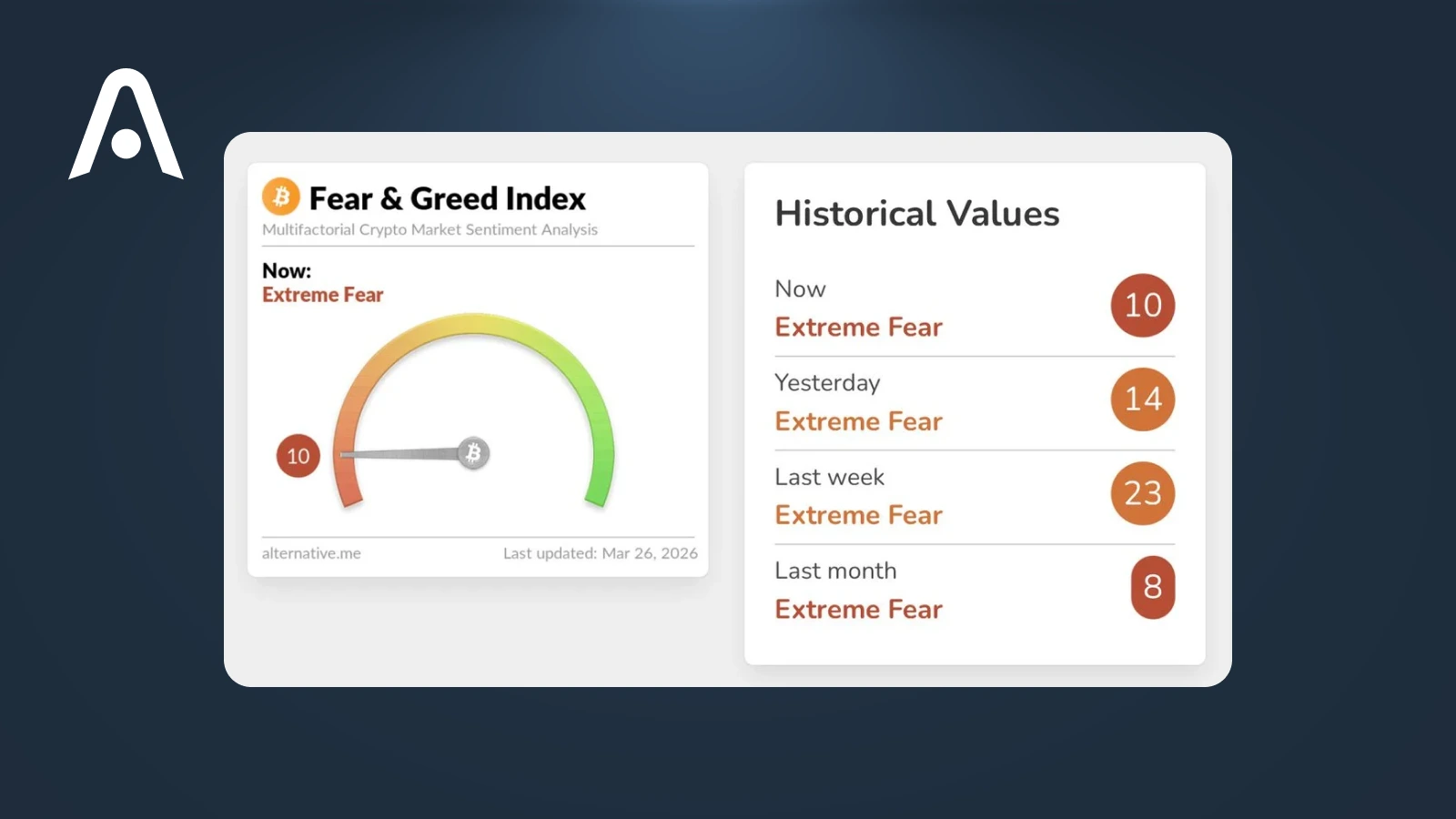
What to Do During FUD
• verify information using reliable sources
• avoid impulsive buying or selling decisions
• focus on long-term fundamentals
• monitor broader market conditions
• stay aware of emotional bias and reactions
FUD vs FOMO
FUD and FOMO are two opposing emotional forces that influence market behavior. While FUD drives fear and selling pressure, FOMO fuels excitement and often leads
to impu sive buying during upward price movements.
Real Examples of FUD in Crypto
FUD often appears around recurring narratives that resurface during market uncertainty. For example, headlines about governments “banning Bitcoin” frequently trigger panic, even when the reality is more nuanced. Similarly, concerns about crypto energy consumption or negative statements from public figures can create short-term fear, regardless of long-term fundamentals. These narratives tend to spread quickly and impact sentiment, even if they are exaggerated or incomplete.
Risks of Falling for FUD
• selling assets at a loss during panic
• missing long-term market recovery
• reacting emotionally instead of rationally
• being influenced by misinformation or hype cycles
What FUD Signals About Market Behavior
FUD highlights how strongly crypto markets are driven by sentiment rather than just fundamentals. Price movements are often influenced by how information is perceived, not only by what is objectively true. This makes understanding market psychology a key part of navigating crypto effectively.
Risks of Falling for FUD
• selling assets at a loss during panic
• missing long-term upside due to short-term fear
• reacting emotionally instead of strategically
• being influenced by misinformation or narratives
What FUD Signals About Market Behavior
FUD highlights how strongly market psychology influences crypto prices. Even without fundamental changes, sentiment alone can drive volatility. Understanding this dynamic helps investors separate noise from real signals and make more rational decisions in a fast-moving market.
Stay Rational in Volatile Markets
Crypto markets are driven by both data and emotion.
To avoid costly mistakes, rely on verified information, manage your assets carefully, and use Atomic Wallet to maintain full control over your crypto.