What Is Gensyn? The AI Compute Marketplace and $AI Token
Gensyn is a decentralized compute network designed to coordinate machine learning training across distributed hardware resources. Instead of relying solely on centralized cloud providers, the protocol creates a marketplace where developers can access GPU power through blockchain-based coordination, verification, and incentive systems. The goal is to make large-scale AI training more accessible while enabling participants to contribute compute capacity and earn rewards within an open infrastructure model.
• decentralized AI compute network
• marketplace for machine learning workloads
• coordination layer for distributed training
• infrastructure for open AI economy
• powered by the AI ecosystem token
Why AI Compute Is Becoming a Crypto Sector
Artificial intelligence development increasingly depends on large-scale computational infrastructure, particularly GPU clusters capable of handling intensive training workloads. As demand grows, centralized cloud providers have become both costly and capacity-constrained, prompting exploration of alternative models for accessing compute resources. Decentralized networks aim to create permissionless markets where hardware providers and developers interact directly, turning compute capacity into a tradable digital resource. This shift reflects a broader trend in crypto toward tokenizing infrastructure primitives rather than focusing solely on financial applications.
How Decentralized Training Markets Work
Decentralized compute networks coordinate developers and hardware providers through protocol incentives, verification systems, and dynamic task routing. The simplified workflow below illustrates how AI training jobs move through such marketplaces.
The Gensyn Network Architecture
Gensyn’s infrastructure combines offchain execution with onchain coordination logic. Training workloads are processed on physical hardware outside the blockchain, while task assignment, validation checkpoints, and reward settlement are recorded onchain. This hybrid architecture allows the network to scale computationally intensive operations while maintaining transparent coordination, reputation tracking for node operators, and programmable incentive distribution across the ecosystem.
The $AI Token Explained
The $AI token functions as the coordination mechanism that aligns incentives between developers, compute providers, and network participants. Rather than acting as collateral for training itself, the token supports economic activity across the decentralized compute marketplace and may influence governance decisions tied to network parameters and ecosystem development.
• ecosystem coordination token
• incentives for compute node operators
• payment unit for training workloads
• governance participation potential
• alignment layer for long-term contributors
Token Auction and Distribution Model
Gensyn introduced a public token sale structured as an English auction designed to enable market-driven price discovery. Participants committed stablecoins on Ethereum while allocation outcomes depended on demand dynamics, participation history, and optional lockup choices. This approach reflects a broader trend toward transparent token distribution mechanisms that aim to balance accessibility with ecosystem alignment.
• English auction price discovery format
• valuation cap guiding maximum token price
• allocations unlocked at the token generation event
• contribution-based priority criteria
• optional lockup incentives for bonus multipliers
Testnet Participation and Allocation Multipliers
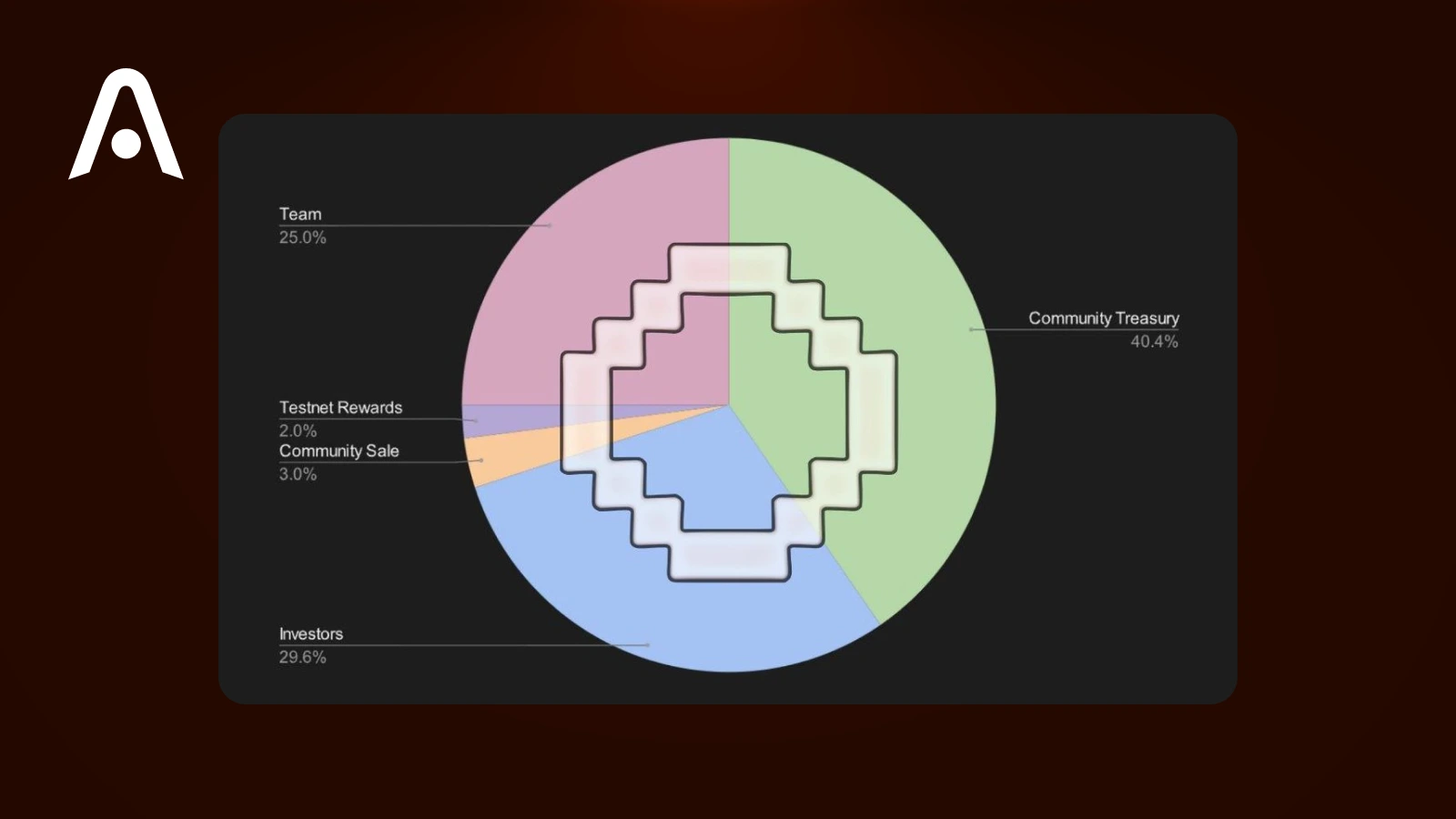
Gensyn incorporates usage-driven distribution logic that rewards early contributors who helped validate network performance before the token launch. Participation in testnet activities — such as running nodes, experimenting with developer tools, or engaging in ecosystem programs — may influence allocation priority and bonus token multipliers. This structure is designed to align token distribution with real infrastructure contributions rather than purely financial participation.
Risks and Structural Considerations
Decentralized compute markets introduce both technical and economic uncertainties that participants should understand before engaging with token sales or ecosystem programs. As the sector is still emerging, long-term adoption and network reliability remain key variables influencing project outcomes.
• dependency on sustained demand for AI training infrastructure
• reliability and uptime risks for distributed compute providers
• competition from centralized cloud platforms
• token incentive cycles affecting network participation
• smart contract and coordination layer vulnerabilities
What Gensyn Signals About the Future of AI Infrastructure
Gensyn reflects a broader transition toward open, market-driven AI infrastructure where compute resources can be coordinated through blockchain systems. As machine learning workloads continue to expand, decentralized networks may emerge as alternative sourcing layers for training capacity, experimentation, and collaborative development. This trend suggests a shift from vertically integrated cloud providers toward modular compute marketplaces that rely on token-based coordination.
Secure Participation in AI Token Ecosystems
Interacting with AI infrastructure protocols, token sales, and airdrop campaigns requires careful asset management and reliable self-custody practices. Always verify official claim portals, double-check smart contract addresses, and avoid connecting wallets to untrusted interfaces.
Using a non-custodial wallet helps users securely manage allocations, participate in token launches, and interact with decentralized applications across multiple blockchain networks.