What Is GRAM? Telegram’s Return to the Original TON Vision
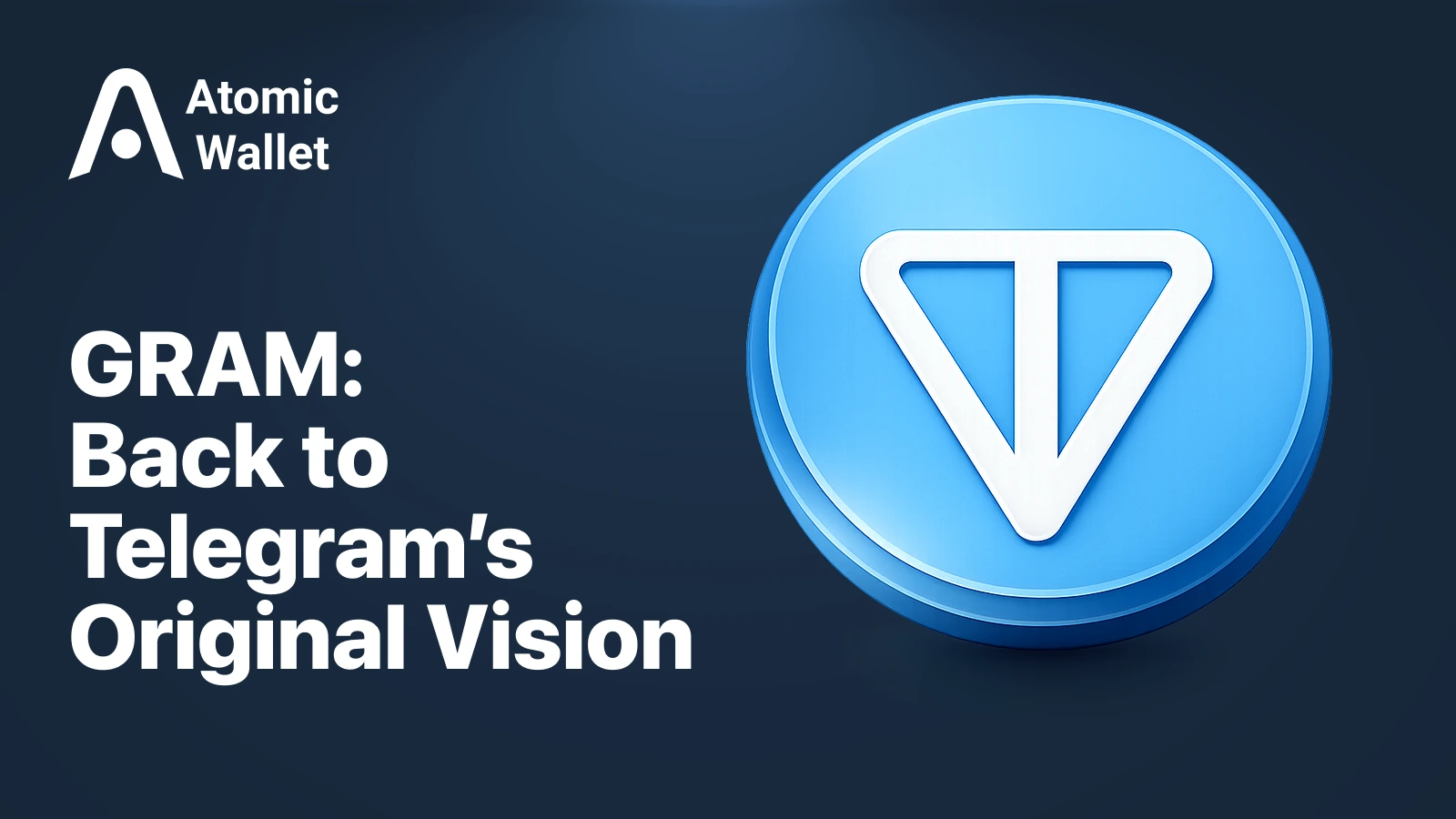
The TON ecosystem has undergone one of the most important branding changes in its history.
After years of operating under the Toncoin name, Telegram founder Pavel Durov announced that TON’s native asset will be renamed GRAM, bringing back the original name from Telegram’s first blockchain vision. While many observers initially viewed the move as a simple rebrand, the announcement carries far deeper historical significance tied to Telegram’s abandoned blockchain project, the SEC dispute that followed, and the evolution of The Open Network into one of the largest blockchain ecosystems connected to a mainstream consumer platform.
Today, GRAM represents a return to the identity that originally launched Telegram’s blockchain ambitions.
Why the TON-to-GRAM Rebrand Is Making Headlines
Telegram’s decision to rename Toncoin back to GRAM marks one of the most significant branding changes in the history of The Open Network.
The announcement immediately attracted attention across both crypto and Telegram communities.
Several factors contributed to the strong reaction:
- the return of the original Gram name
- Telegram’s growing involvement in TON
- renewed interest in the ecosystem’s roadmap
- strong market activity following the announcement
- speculation around future developments
For many long-time followers of the project, the rebrand is more than a cosmetic change.
GRAM was the original currency described in Telegram’s first blockchain plans years before Toncoin became the widely recognized asset powering The Open Network.
As a result, the decision has been widely interpreted as a symbolic return to Telegram’s original blockchain vision.
What Is GRAM?
GRAM is the new name for TON’s native cryptocurrency and a return to the original vision outlined in Telegram’s first blockchain whitepaper.
The asset continues to serve the same role within The Open Network ecosystem while adopting the name originally intended for the project.
GRAM functions as the network’s core asset and supports:
- transaction fees
- staking
- validator participation
- DeFi liquidity
- ecosystem payments
Importantly, the rebrand does not create a new cryptocurrency.
The blockchain remains The Open Network, and the underlying infrastructure continues operating as before.
Instead, the change restores the original branding that existed before Telegram’s blockchain plans were disrupted during the early development of the network.
The Story of Gram, TON and the SEC
The origins of GRAM date back to Telegram’s original blockchain project, which was halted following regulatory action in 2020.
The story begins in 2018 when Telegram introduced The Open Network and planned to launch a native cryptocurrency called Gram.
The project quickly became one of the largest blockchain fundraising efforts of its time.
However, regulatory challenges dramatically changed its trajectory.
Following legal action from the U.S. Securities and Exchange Commission, Telegram ultimately stepped away from direct involvement in the original project.
The network did not disappear, though.
An independent community continued developing the technology, eventually transforming it into The Open Network and introducing Toncoin as the ecosystem’s native asset.
Years later, the return of the GRAM name reconnects the project with its original roots.
Why Telegram Is Bringing Gram Back
The rebrand reflects Telegram’s growing involvement in TON and a broader effort to reconnect the ecosystem with its original identity.
Over the past several years, Telegram has become increasingly integrated with the TON ecosystem through wallets, payments, mini apps, digital collectibles, and broader blockchain infrastructure.
More recently, Telegram has also taken a larger role in supporting network development and ecosystem growth.
Several factors help explain the decision:
- stronger Telegram integration
- restoration of the original brand identity
- growing ecosystem maturity
- renewed focus on scalability and performance
- alignment with long-term strategic goals
Supporters of the move argue that the GRAM name carries significantly more historical meaning than Toncoin because it directly reflects the vision first introduced in Telegram’s original blockchain plans.
For Telegram, the rebrand may represent not just a naming update but a symbolic continuation of a project that began years before The Open Network became one of the largest blockchain ecosystems connected to a mainstream consumer platform.
What Changes and What Stays the Same?
The transition from TON to GRAM changes the token’s name but does not require any migration, token swap, or user action.
For existing users, the most important point is that the rebrand affects branding rather than network functionality.
Users do not need to:
- swap tokens
- migrate funds
- bridge assets
- claim new coins
- move balances to a different wallet
Any website or application asking users to exchange TON for GRAM should be treated with extreme caution.
The blockchain infrastructure remains unchanged, and balances will continue functioning normally throughout the transition.
As with any major rebrand, scammers may attempt to exploit confusion around the event, making it especially important for users to verify information through official ecosystem channels.
How TON Works Behind GRAM
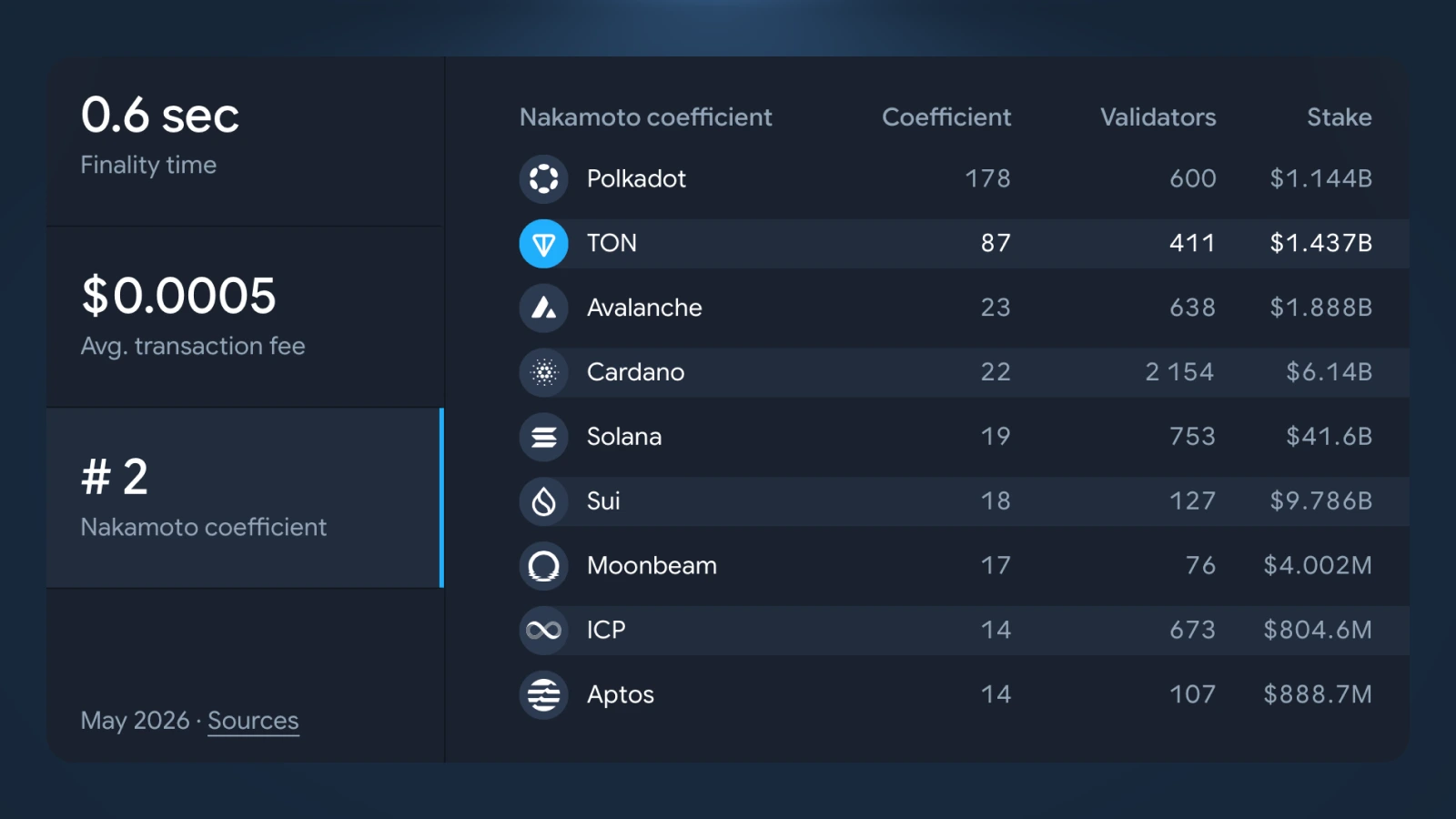
GRAM continues to operate on The Open Network, a blockchain designed for scalability, low fees, and deep Telegram integration.
Although the token name is changing, the underlying blockchain remains TON.
The Open Network was designed to support large-scale consumer applications through a multi-chain architecture focused on performance and efficiency.
Core features include:
- sharding architecture
- high throughput
- low transaction costs
- smart contract support
- scalable application infrastructure
The network’s design allows decentralized applications to communicate through message-based interactions while maintaining efficient processing across multiple chains.
Recent upgrades have further focused on:
- faster finality
- improved validator performance
- developer accessibility
- broader ecosystem scalability
As a result, the technical foundation supporting GRAM remains one of the key strengths behind the broader Telegram blockchain ecosystem.
GRAM Utility and Ecosystem Role
GRAM remains the core asset used for transactions, staking, liquidity, and ecosystem activity across The Open Network.
Although the name is changing, the token’s functionality remains the same.
GRAM powers many of the network’s core operations and acts as the economic foundation of the broader ecosystem.
The token is used throughout the network to support:
- smart contract execution
- validator incentives
- decentralized finance applications
- ecosystem payments
- value transfer between users
As Telegram continues expanding blockchain functionality across its products, GRAM remains the asset that connects network activity with the broader economics of the ecosystem.
The Telegram Ecosystem Behind GRAM
The strength of GRAM comes not only from the blockchain itself but also from Telegram’s massive distribution network and growing ecosystem of applications.
Unlike many blockchain networks that must attract users independently, TON benefits from deep integration with one of the world’s largest messaging platforms.
The ecosystem now spans several categories.
Wallets
The onboarding layer includes:
- Tonkeeper
- Wallet in Telegram
- TON Space
- MyTonWallet
These products help users access blockchain services directly from familiar interfaces.
DeFi
The ecosystem also supports a growing DeFi sector through platforms such as:
- STON.fi
- DeDust
- EVAA
- Tonstakers
These applications provide trading, lending, liquidity, and staking services.
Mini Apps
Telegram Mini Apps have become one of TON’s most recognizable growth engines.
Notable examples include:
- Notcoin
- Hamster Kombat
- Catizen
- Blum
- DOGS
These applications introduced millions of users to blockchain-based experiences through Telegram itself.
NFTs and Collectibles
Digital ownership also plays an important role through platforms such as:
- Fragment
- Getgems
- Telegram Gifts
These services support usernames, collectibles, digital goods, and other blockchain-based assets.
Payments
The ecosystem’s payment infrastructure includes:
- Wallet Pay
- Telegram Stars
- TON Pay
Together, these products help connect messaging, payments, digital assets, and Web3 applications inside a single ecosystem.
Why Investors Are Watching GRAM Closely
The rebrand has renewed discussion around Telegram’s long-term blockchain ambitions and the future direction of The Open Network.
For many investors, the name change is important because it arrives alongside broader developments across the ecosystem rather than as an isolated branding decision.
Several factors continue attracting attention:
- Telegram’s growing involvement in the network
- expanding wallet adoption
- increasing DeFi activity
- mini app growth
- ecosystem infrastructure upgrades
The network also benefits from a distribution advantage few blockchain ecosystems can match.
Telegram’s global user base provides direct access to hundreds of millions of potential users through wallets, payments, mini apps, and digital asset experiences already integrated into the platform.
As a result, many market participants are focused less on the rebrand itself and more on what future ecosystem developments may follow.
Risks and Challenges for GRAM
Despite strong distribution advantages, GRAM still faces competition, adoption challenges, and regulatory risks.
The return of the original Gram name does not eliminate the broader challenges facing blockchain ecosystems.
Several important considerations remain:
- competition from other Layer 1 networks
- regulatory uncertainty across global markets
- ecosystem adoption rates
- reliance on Telegram’s continued support
- long-term developer growth
The project’s history also remains closely connected to regulatory events that shaped its evolution from the original Telegram blockchain initiative into The Open Network.
While the ecosystem has grown significantly since then, regulatory developments will likely remain an important factor influencing future expansion and adoption.
Managing GRAM Safely
Secure wallets remain essential for storing, sending, and interacting with GRAM across the TON ecosystem.
As the Telegram blockchain ecosystem continues expanding, users increasingly interact with multiple products including wallets, DeFi protocols, mini apps, staking platforms, and payment services.
Good security practices include:
- protecting recovery phrases
- using trusted wallet software
- verifying transaction details
- avoiding unofficial migration websites
- securing devices and accounts
The GRAM rebrand does not require any token swap or migration process, making it especially important to ignore fraudulent websites claiming otherwise.
Atomic Wallet provides a self-custodial environment for managing GRAM alongside thousands of other digital assets while maintaining full control over private keys and ownership of funds.
Conclusion: Why the Return of GRAM Matters
The return of the GRAM name reconnects Telegram’s blockchain ecosystem with the original vision that launched the project years ago.
While the underlying network remains The Open Network, the rebrand restores the identity originally associated with Telegram’s blockchain ambitions before regulatory challenges altered the project’s path.
Today, the ecosystem includes:
- wallets
- DeFi protocols
- mini apps
- digital collectibles
- payment infrastructure
combined with one of the largest distribution networks in the blockchain industry.
Whether viewed as a symbolic change or part of a broader strategic roadmap, the return of GRAM represents an important milestone in the continuing evolution of Telegram’s blockchain ecosystem.