What Is Ink? Kraken’s Layer 2 for DeFi on Ethereum
Ethereum Layer 2 networks continue competing for users, liquidity, and developer activity.
Among the newest entrants is Ink, a blockchain launched by Kraken that aims to connect millions of exchange users with decentralized finance. Built using the OP Stack and integrated into the Optimism Superchain, Ink focuses on creating an ecosystem centered around lending, trading, liquidity, and onchain financial services.
As interest grows around the INK token, ecosystem incentives, and Kraken’s broader blockchain strategy, Ink is becoming one of the most closely watched Layer 2 projects in the market.
Why Ink Is Getting Attention
Ink is attracting attention as Kraken’s Ethereum Layer 2 network, combining exchange distribution with onchain DeFi infrastructure.
Several factors have contributed to the growing interest surrounding the project.
Key drivers include:
- Kraken’s involvement as a major crypto exchange
- expansion of the Layer 2 ecosystem
- participation in the Optimism Superchain
- growing DeFi activity
- anticipation surrounding the INK token
Unlike many new blockchains that must build distribution from scratch, Ink benefits from direct connections to Kraken’s existing user base and crypto infrastructure.
This combination of exchange-backed distribution and Ethereum-based scalability has helped position Ink as a notable newcomer within the increasingly competitive Layer 2 landscape.
What Is Ink?
Ink is an Ethereum Layer 2 blockchain built by Kraken using the OP Stack and designed to become a major DeFi hub within the Superchain ecosystem.
The network was created to provide users with faster transactions and lower costs while maintaining access to Ethereum’s broader ecosystem.
Ink is built around several core ideas:
- Ethereum scalability
- decentralized finance
- user accessibility
- ecosystem interoperability
- long-term onchain growth
By leveraging Optimism’s technology stack, Ink can process transactions more efficiently than Ethereum’s main network while remaining connected to the broader Ethereum ecosystem.
The project’s long-term goal is to create an environment where users can access lending, trading, liquidity, and other financial services through a blockchain designed specifically for DeFi participation.
How Ink Works
Ink uses Optimism’s rollup technology to provide faster transactions and lower costs while benefiting from Ethereum’s security model.
Like many modern Layer 2 networks, Ink processes transactions off Ethereum’s main chain and later settles transaction data back to Ethereum.
This approach helps improve efficiency while reducing costs for users.
Key characteristics include:
- rollup architecture
- Ethereum settlement
- lower transaction fees
- improved scalability
- developer-friendly infrastructure
Because Ink is built using the OP Stack, it shares technological foundations with several other major ecosystems operating within the broader Superchain framework.
This allows developers and users to benefit from infrastructure designed to support long-term growth across Ethereum-based applications.
Ink and the Optimism Superchain
Ink is part of the Optimism Superchain, a growing network of interconnected Layer 2 ecosystems built on shared technology standards.
The Superchain vision aims to create a collection of Layer 2 networks that can work together more efficiently while maintaining their own ecosystems and communities.
Benefits of this approach include:
- shared infrastructure
- ecosystem interoperability
- common development standards
- scalability improvements
- network effects across multiple chains
Rather than operating as an isolated blockchain, Ink is designed to participate in a broader ecosystem of OP Stack-based networks.
For developers, this can simplify deployment and integration across multiple environments.
For users, it creates the potential for a more connected experience across Ethereum’s expanding Layer 2 landscape.
What Makes Ink Different From Other Layer 2 Networks?
Ink combines Kraken’s user base and exchange infrastructure with a DeFi-focused blockchain strategy.
Many Layer 2 networks compete for developers and liquidity, but Ink enters the market with a different advantage: direct access to one of the largest crypto exchange ecosystems.
This positioning allows Ink to focus on:
- DeFi adoption
- exchange-to-onchain onboarding
- liquidity growth
- ecosystem incentives
- financial applications
Rather than building purely around consumer apps or general-purpose infrastructure, Ink is specifically targeting the growing demand for decentralized financial services.
The INK Token Explained
INK is the native ecosystem token designed to support incentives, liquidity growth, and ecosystem participation across the network.
Unlike many blockchain tokens, INK is not being positioned as a governance asset.
Instead, the token is focused on supporting ecosystem growth and rewarding participation.
The token is expected to play a major role in encouraging activity across the network through:
- liquidity incentives
- ecosystem rewards
- user participation programs
- DeFi growth initiatives
This structure reflects Ink’s broader goal of accelerating adoption and building a sustainable onchain economy around its growing ecosystem.
Why the INK Airdrop Is So Popular
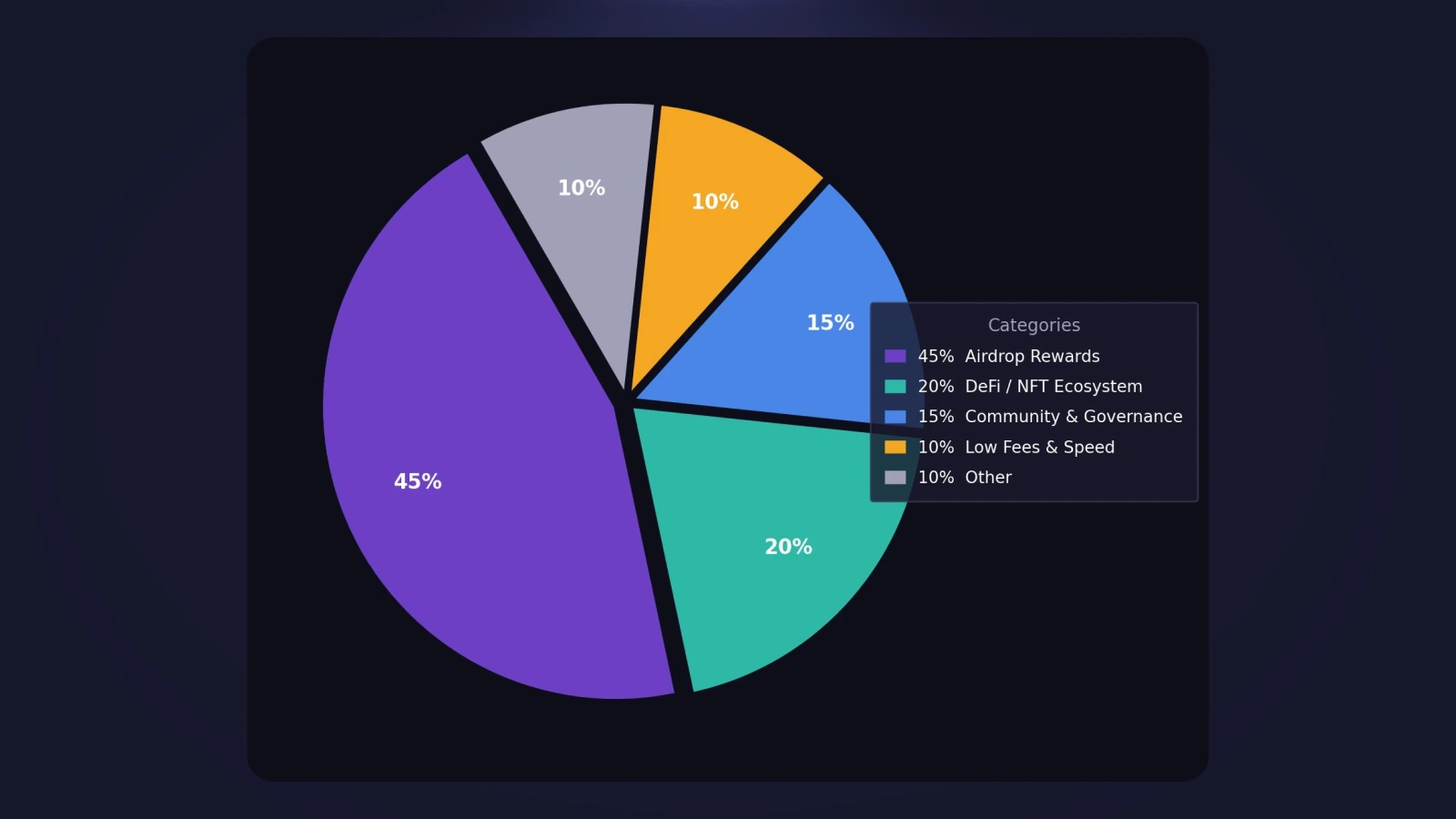
The upcoming INK token distribution has become one of the most closely watched incentive programs in the Layer 2 sector.
Interest in the airdrop stems from a combination of Kraken’s reputation, ecosystem growth, and expectations surrounding future token utility.
Several factors have contributed to the attention:
- Kraken Pro points program
- onchain ecosystem participation
- early-user incentives
- anticipated token generation event (TGE)
- growing Layer 2 activity
Community discussions have largely focused on the relationship between exchange activity and onchain engagement, with users seeking ways to build eligibility through multiple parts of the ecosystem.
As a result, the INK distribution has become a major catalyst for user growth across both Kraken-linked services and Ink-native applications.
Key Projects Building on Ink
Several DeFi protocols are helping establish Ink’s early ecosystem and financial infrastructure.
The network’s growth is being supported by applications focused on lending, trading, liquidity, and onboarding new users into onchain finance.
Tydro
Tydro serves as one of the ecosystem’s primary lending and borrowing platforms.
Users can:
- supply assets
- earn yield
- borrow against collateral
- participate in ecosystem incentives
Nado
Nado focuses on trading infrastructure and combines multiple financial products within a single platform.
Core features include:
- spot trading
- perpetual futures
- liquidity services
- money market functionality
Velodrome
Velodrome provides decentralized exchange functionality and liquidity infrastructure for the ecosystem.
Its role includes:
- token swaps
- liquidity provisioning
- trading routes
- market efficiency
Kraken Wallet
Kraken Wallet helps connect exchange users with onchain applications through a self-custodial experience designed for DeFi participation.
Together, these applications form much of the early foundation of the Ink ecosystem.
Kraken Pro, Points and Ecosystem Rewards
Kraken is connecting centralized exchange activity with onchain participation through the Ink Points system.
One of Ink’s more unique features is the way it combines exchange-based activity with ecosystem engagement.
Rather than rewarding only onchain transactions, the broader rewards structure also incorporates participation across Kraken products.
Users may earn points through activities such as:
- trading on Kraken Pro
- holding supported assets
- staking eligible cryptocurrencies
- interacting with ecosystem applications
- participating in promotional programs
The system is designed to encourage deeper engagement across both Kraken’s exchange infrastructure and Ink’s growing DeFi ecosystem.
This approach helps create a bridge between traditional crypto exchange users and onchain financial applications.
Risks and Challenges for Ink
Despite strong backing, Ink faces competition from established Layer 2 ecosystems and broader market risks.
The Layer 2 sector has become one of the most competitive areas within crypto.
Ink must compete with networks that already possess large user bases, deep liquidity, and mature ecosystems.
Some of the primary challenges include:
- competition from other Layer 2 networks
- attracting long-term liquidity
- maintaining developer growth
- ecosystem adoption rates
- token launch execution
The project also faces broader market risks associated with changing user activity, DeFi adoption trends, and overall crypto market conditions.
While Kraken provides significant distribution advantages, long-term success will depend on whether Ink can establish a sustainable ecosystem that extends beyond incentives and early participation programs.
Managing INK and Ethereum Assets Safely
Self-custody remains an important part of interacting with Layer 2 ecosystems and decentralized finance applications.
As users participate in lending, trading, liquidity provision, and other onchain activities, maintaining control of assets becomes increasingly important.
Good security practices include:
- protecting recovery phrases
- using trusted wallet software
- verifying transaction details
- reviewing smart contract permissions
- securing devices and accounts
Because Ink is part of the broader Ethereum ecosystem, users often interact with multiple applications and protocols, making wallet security a critical aspect of DeFi participation.
Atomic Wallet provides a self-custodial environment for managing Ethereum-based assets while maintaining ownership of private keys and control over funds.
Conclusion: Can Ink Become Kraken’s Onchain Ecosystem?
Ink represents Kraken’s effort to connect millions of exchange users with Ethereum-based DeFi infrastructure.
By combining Kraken’s distribution network with the OP Stack and Optimism Superchain, the project is attempting to create a blockchain ecosystem focused on financial applications rather than general-purpose usage.
Its growth strategy centers around several key themes:
- DeFi adoption
- liquidity growth
- Layer 2 scalability
- exchange-to-onchain onboarding
- ecosystem incentives
As the network expands and more applications launch on Ink, its long-term success will depend on whether it can convert Kraken’s large user base into active participants within the broader onchain economy.