What Is Plume? The RWA Blockchain and Tokenization Infrastructure
Plume is a public EVM-compatible blockchain designed specifically to support the tokenization and onchain usage of real-world assets (RWAs) within decentralized finance. Rather than focusing only on crypto-native assets, the network aims to provide execution infrastructure where traditional financial instruments — such as private credit, funds, or commodity exposure — can be issued as tokens and integrated into DeFi strategies. By combining compliance-oriented asset frameworks with composable smart contracts, Plume positions itself as a market infrastructure layer for tokenized capital rather than a single application or protocol.
• RWA-focused public blockchain
• EVM-compatible execution environment
• tokenized real-world assets integrated into DeFi
• composable lending, staking, and yield strategies
• ecosystem coordinated by the PLUME token
Why Dedicated RWA Blockchains Are Emerging
As tokenization gains traction among institutional issuers and asset managers, infrastructure requirements are evolving beyond what general-purpose blockchains were originally designed to handle. Real-world assets often involve legal wrappers, compliance controls, and structured liquidity needs that differ from crypto-native tokens. Dedicated RWA execution layers are emerging to address these constraints by enabling programmable compliance, deeper secondary markets, and financial tooling optimized for hybrid onchain-offchain assets. This shift reflects a broader structural trend: blockchain networks increasingly competing to become settlement rails for tokenized capital markets rather than purely speculative trading venues.
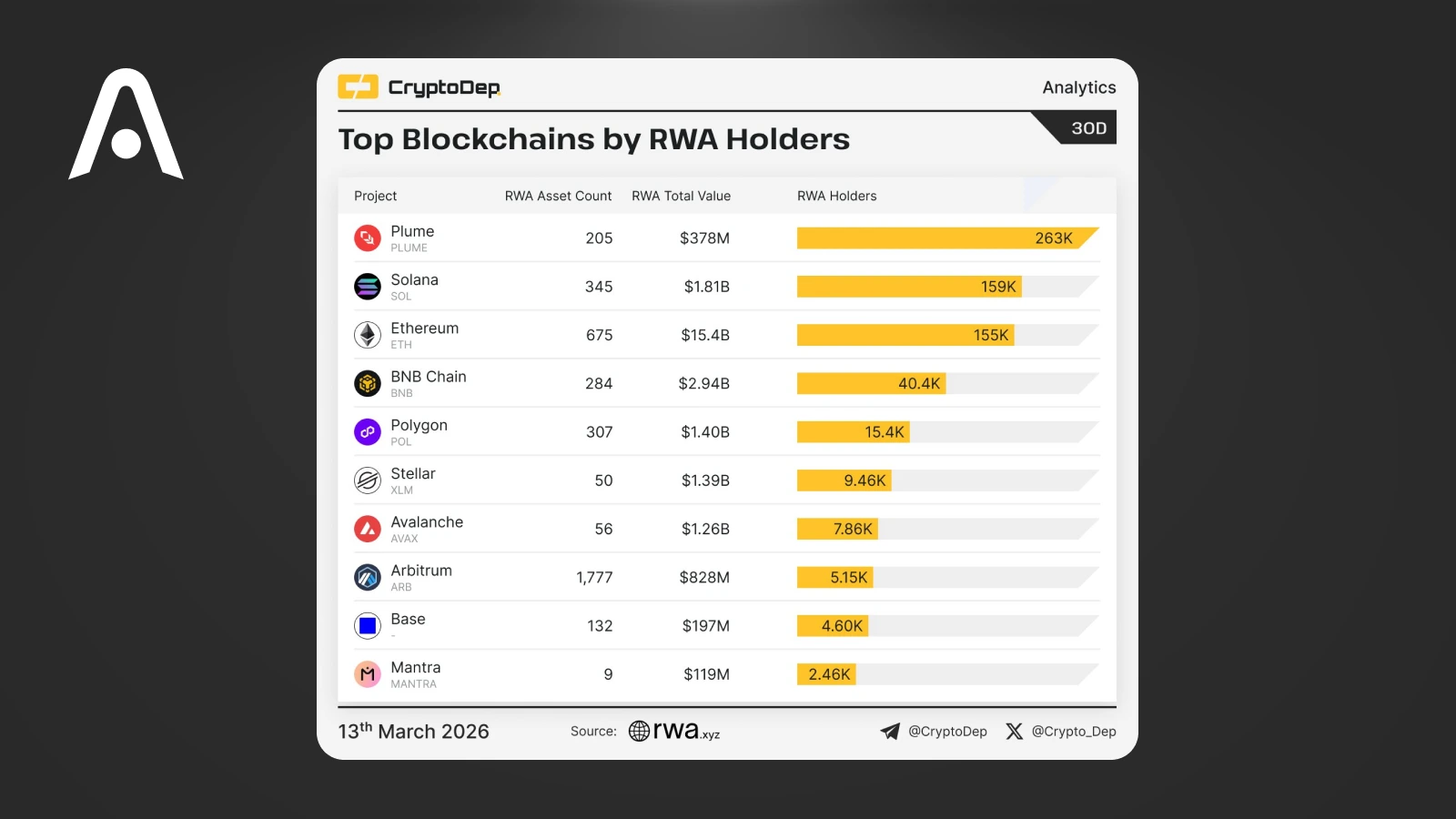
How Plume Enables Onchain RWA Markets
Plume provides infrastructure that allows real-world financial instruments to be issued, traded, and utilized inside decentralized finance applications. Asset issuers can create tokenized representations of offchain instruments, while smart contracts coordinate settlement, collateral management, and liquidity provisioning. This architecture enables tokenized assets to function similarly to crypto-native tokens — participating in lending markets, yield strategies, and secondary trading environments.
• issuers tokenize real-world financial instruments
• smart contracts manage settlement and collateral logic
• DeFi protocols integrate RWAs into financial products
• users can trade, stake, or borrow against tokenized assets
• liquidity pools support secondary market activity
Types of Assets Targeted by Plume
Plume focuses on tokenizing a range of financial instruments connected to private markets, structured yield strategies, and institutional investment products. These asset categories reflect the broader shift toward bringing offchain capital flows into onchain environments.
The PLUME Token Explained
The PLUME token functions as the core coordination asset within the network. It is used to pay transaction fees, participate in governance decisions, and support validator security through staking. As usage of tokenized assets and DeFi integrations grows, the token is intended to align incentives between network participants and liquidity providers.
• network gas token for transaction execution
• governance participation in protocol upgrades
• staking mechanism supporting validator security
• ecosystem incentives and liquidity programs
Tokenomics and Supply Structure
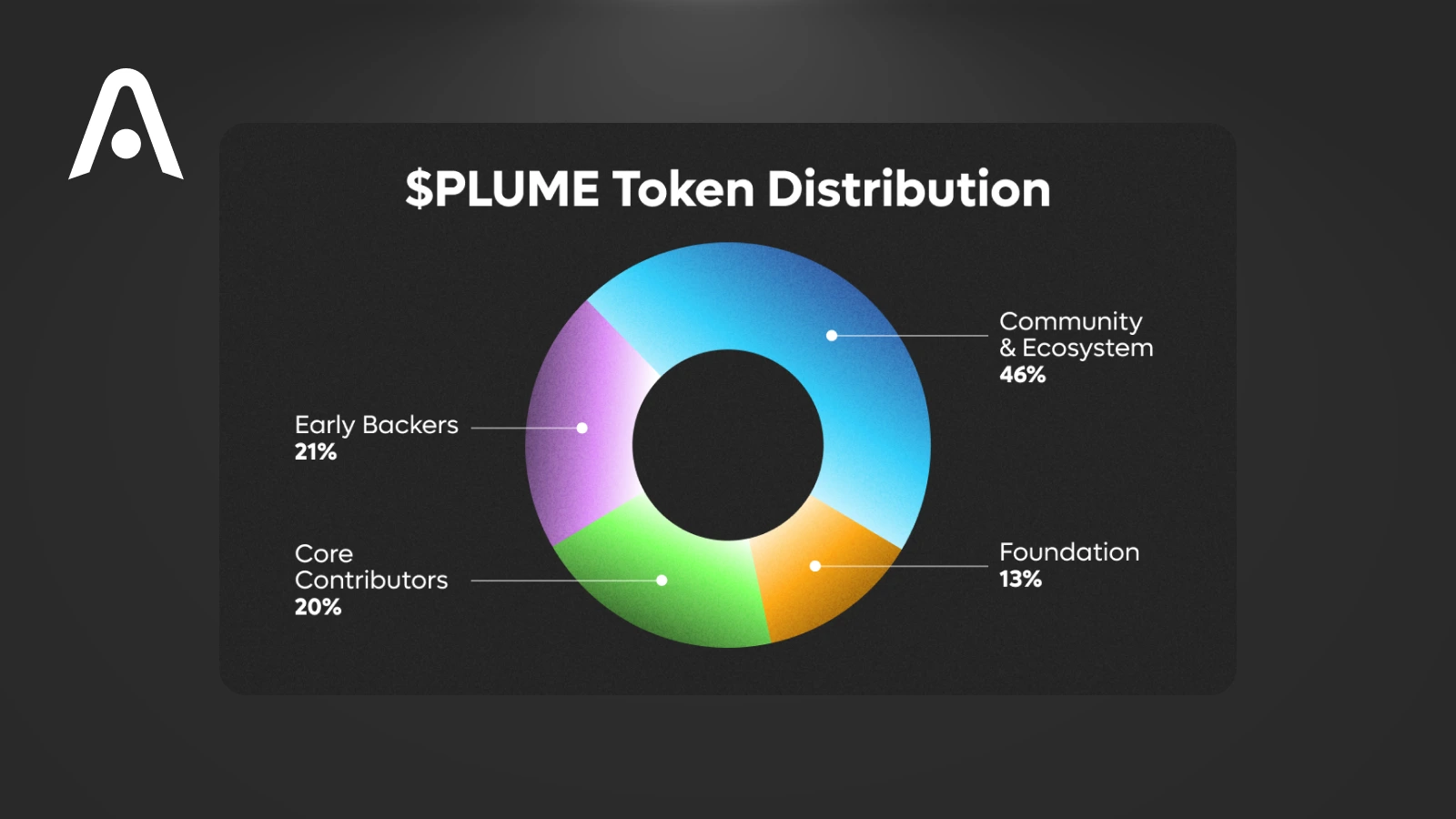
The token supply model is designed to balance early ecosystem growth with long-term network sustainability. A significant portion of the allocation is directed toward community incentives and ecosystem development, reflecting the infrastructure-driven nature of the project.
• total supply of approximately 10 billion PLUME
• around 20% initial circulating supply at launch
• community and ecosystem allocation near 59%
• early backers allocation around 21%
• core contributors allocation around 20%
Plume in the Broader RWA Ecosystem
Within the tokenized asset landscape, Plume positions itself as an execution layer rather than solely an issuance platform. While some protocols focus on structuring real-world financial products or providing compliance frameworks, Plume aims to provide the blockchain environment where those assets can be actively traded and used in DeFi strategies. By combining EVM compatibility with a design oriented toward institutional-grade asset flows, the network reflects a broader shift toward specialized financial blockchains built for tokenized capital markets.
Risks and Structural Considerations
As with other emerging RWA infrastructures, the long-term success of Plume depends on both technological adoption and regulatory clarity. Tokenized assets introduce hybrid exposure to blockchain mechanics and real-world financial performance.
• regulatory uncertainty around tokenized securities and structured products
• liquidity fragmentation across multiple tokenization platforms
• smart contract vulnerabilities affecting financial applications
• reliance on issuer credibility and asset verification processes
• adoption risk tied to institutional participation and market demand
What Plume Signals About the Future of Tokenized Finance
The emergence of networks such as Plume reflects a structural transition in crypto markets toward financial infrastructure built around real-world assets. As tokenized credit, funds, and commodities begin to circulate onchain, blockchains may increasingly function as distribution rails for global capital rather than purely speculative environments. Dedicated execution layers designed for compliance, liquidity, and composability suggest that tokenization could become one of the defining long-term narratives shaping how traditional and decentralized finance converge.
Trade Tokenized Assets Securely
Tokenized assets and DeFi strategies require secure self-custody and reliable wallet infrastructure.
Always verify official contracts and interact only with trusted platforms when managing RWA tokens or participating in onchain markets.
Use Atomic Wallet to safely store, manage, and interact with crypto assets across multiple blockchain ecosystems.