What Is Quant? Building the Infrastructure for Programmable Money
The next wave of tokenization may not be about stocks, bonds, or real-world assets.
It may be about money itself.
Stablecoins already move billions of dollars across blockchain networks every day. Banks are experimenting with tokenized deposits. Central banks continue researching digital currencies. What these developments have in common is simple: money is becoming digital, programmable, and increasingly connected to software.
That shift creates a new infrastructure challenge.
Digital money is emerging across public blockchains, private ledgers, banking systems, and payment networks. As more forms of money appear, the need to move value between different systems becomes increasingly important.
This is the problem Quant is trying to solve.
Rather than building another blockchain, Quant is focused on the infrastructure layer that connects digital money, tokenized assets, payment networks, and financial institutions. Its long-term vision is built around a future where multiple forms of money coexist and move seamlessly across different systems.
Why Money Is Becoming Programmable
Money is starting to behave more like software than a traditional financial asset.
A stablecoin can settle globally within minutes. A tokenized deposit can move across digital networks. A programmable payment can execute automatically when specific conditions are met. Instead of simply transferring value, money can increasingly carry instructions and interact with other systems.
Several technologies are driving this shift:
- stablecoins
- tokenized deposits
- CBDCs
- smart contracts
- programmable payment systems
Together, they point toward a financial system that looks very different from the one banks were originally built to support.
The opportunity is obvious. Payments can become faster, settlement can become more efficient, and financial operations can become increasingly automated.
The challenge is connectivity.
As digital money expands across different networks and infrastructures, institutions need a way to connect systems that were never designed to work together. Quant’s thesis begins with that problem.
The Problem: Finance Is Becoming Fragmented
The growth of digital money is creating a fragmentation problem across finance.
Banks, payment providers, stablecoin issuers, blockchain networks, and asset platforms are all building different pieces of the future financial system. The result is innovation, but also complexity.
Value can now exist across traditional bank accounts, stablecoins, tokenized deposits, private ledgers, public blockchains, and emerging digital currency platforms. Each environment offers different advantages, yet none operates as a universal standard.
This creates several challenges:
- disconnected liquidity
- costly integrations
- operational complexity
- compliance friction
- isolated financial networks
Creating digital money is no longer the hard part.
Connecting different forms of digital money may be the bigger challenge.
Quant’s strategy is built around the idea that interoperability will become increasingly important as finance evolves into a multi-network ecosystem.
What Is Quant Network?
Quant is building infrastructure for a financial system that no longer runs on a single network.
Most crypto projects start by launching a blockchain. Quant took a different path.
The company focuses on the layer between systems. Instead of competing with existing networks, Quant develops technology that helps financial institutions interact with digital assets, payment platforms, private ledgers, and public blockchains through a unified framework.
This positioning reflects a broader view of where finance is heading.
Banks are unlikely to abandon existing infrastructure overnight. Public blockchains are unlikely to replace every private network. Stablecoins, tokenized deposits, CBDCs, and traditional payment rails may all coexist for years.
If that happens, the winners may not be the networks themselves.
They may be the infrastructure providers that make those networks work together.
That is the role Quant is trying to play.
What Is Overledger?
If every financial network speaks a different language, Overledger is Quant’s translation layer.
The financial industry is adding new networks faster than it is replacing old ones. Banks operate internal systems. Payment providers rely on existing rails. Digital assets live on blockchains. Institutions are experimenting with private ledgers and tokenized platforms.
Connecting each system individually is expensive and difficult to scale.
Overledger was built to simplify that process.
Using a single integration layer, organizations can connect applications, digital assets, payment systems, and distributed networks without creating separate infrastructure for every new technology they adopt.
The value of Overledger is not that it creates another network.
The value is that it reduces complexity across many networks.
As tokenized assets, digital money, and blockchain infrastructure continue to expand, Quant believes interoperability should become part of the foundation rather than a custom solution built from scratch every time a new network appears.
Why Interoperability Could Become a Trillion-Dollar Market
Every major trend in digital finance creates the same problem: more networks.
Stablecoins run across multiple blockchains. Banks are testing tokenized deposits. Asset managers are launching tokenized funds. Central banks are exploring digital currencies. Each initiative expands the digital economy, but it also increases fragmentation.
The industry often focuses on the assets themselves.
The bigger opportunity may sit underneath them.
For tokenized finance to scale, value must move between institutions, payment systems, public blockchains, private ledgers, and asset platforms. Without interoperability, liquidity becomes fragmented, integrations become expensive, and adoption becomes harder.
The more successful tokenization becomes, the more valuable connectivity may become.
This is the thesis behind Quant. The company is effectively betting that future financial infrastructure will require a layer capable of linking many different systems rather than forcing the world onto a single network.
Quant’s Product Stack
Quant is no longer just an interoperability story.
Over the past few years, the company has expanded its product suite around a broader vision of programmable money and digital finance.
Each product addresses a different piece of the same challenge.
Overledger focuses on connectivity. Quant Flow helps institutions build programmable financial services. QuantNet provides access to digital assets and tokenized money. Fusion is designed to bridge the gap between public blockchain ecosystems and enterprise infrastructure.
Viewed individually, they are separate products.
Viewed together, they form Quant’s attempt to build infrastructure for a financial system where digital money, tokenized assets, and traditional finance increasingly overlap.
Quant Flow: The Future of Payments?
Quant believes the next generation of financial products will be built around programmable money.
Moving money is no longer enough.
Financial institutions increasingly want payments that can automate treasury operations, trigger actions automatically, enforce predefined rules, and integrate directly with business workflows. In that environment, payments start looking less like transactions and more like software.
This is the problem Quant Flow is designed to address.
Built on top of Overledger, Quant Flow provides an API-driven platform that allows banks, fintechs, and payment providers to introduce programmable capabilities without replacing their existing infrastructure.
Potential use cases include:
- programmable payments
- treasury automation
- account automation
- conditional settlements
- digital money services
Rather than rebuilding the financial system from scratch, Quant Flow is focused on helping institutions modernize the systems they already operate.
QuantNet and the Rise of Tokenized Assets
Tokenized assets are creating a new connectivity challenge for financial institutions.
As banks, asset managers, and fintech companies launch tokenized products, access becomes increasingly fragmented. Assets may exist on different networks, settle through different systems, and operate under different rules.
For institutions, connecting to every new platform individually is unlikely to be sustainable.
QuantNet is designed to solve that problem by acting as a gateway between financial institutions, tokenized money, digital assets, payment systems, and blockchain infrastructure.
The product reflects a broader trend across finance.
The industry is gradually moving from experimentation toward implementation. Tokenized funds are already live. Stablecoins process significant transaction volumes. Banks continue exploring digital deposits and tokenized settlement systems.
If tokenization continues growing, institutions may need infrastructure that provides access to multiple ecosystems rather than committing to a single one.
That is the opportunity QuantNet is targeting.
Quant Fusion: Bridging Public and Private Finance
Institutions want blockchain benefits without institutional compromises.
Public blockchains offer liquidity, openness, and global accessibility. They have become the foundation for much of the digital asset economy.
Traditional financial institutions, however, operate under a different set of requirements. Privacy, compliance, governance, and operational control remain critical considerations for banks, payment providers, and regulated financial firms.
This creates a gap.
Public networks often struggle to meet every institutional requirement. Private networks solve many of those concerns but frequently sacrifice liquidity and connectivity in the process.
Quant Fusion is built around the idea that institutions should not have to choose between the two.
The platform aims to combine the advantages of public blockchain infrastructure with the controls expected in enterprise environments, allowing organizations to interact with digital assets and onchain systems while maintaining compliance and operational standards.
More broadly, Fusion reflects a trend visible across the industry: the future of finance may not be fully public or fully private. It may be a combination of both.
What Is the QNT Token?
QNT is the economic layer that supports the Quant ecosystem.
Unlike many crypto projects where the token sits at the center of the product, Quant’s primary focus is infrastructure. Overledger, Quant Flow, QuantNet, and Fusion are the products driving the company’s long-term strategy.
The token plays a supporting role within that ecosystem.
Several characteristics make QNT stand out from many digital assets:
- fixed maximum supply
- fully circulating token model
- utility-driven design
- exposure to the digital finance narrative
For investors, the key question is not simply whether tokenization grows.
The more important question is whether adoption of Quant’s infrastructure translates into greater demand for the ecosystem surrounding it.
That distinction matters because infrastructure businesses and token economies do not always grow at the same pace. Evaluating QNT requires understanding both the technology thesis and the role the token plays within it.
Can Quant Benefit From the Tokenization Boom?
Quant’s long-term opportunity depends on a simple idea: more tokenization creates greater demand for connectivity.
The tokenization trend is no longer limited to crypto-native assets. Banks are testing tokenized deposits, asset managers are launching tokenized funds, payment providers are exploring digital money, and governments continue researching CBDCs.
The common thread across these initiatives is infrastructure.
Every new digital asset, payment system, or tokenized financial product adds another layer to the financial ecosystem. As the number of networks grows, so does the challenge of connecting them.
This creates a potential tailwind for companies focused on interoperability and programmable money.
Quant is positioning itself at the intersection of several major themes:
- tokenized assets
- digital money
- institutional blockchain adoption
- programmable payments
- financial interoperability
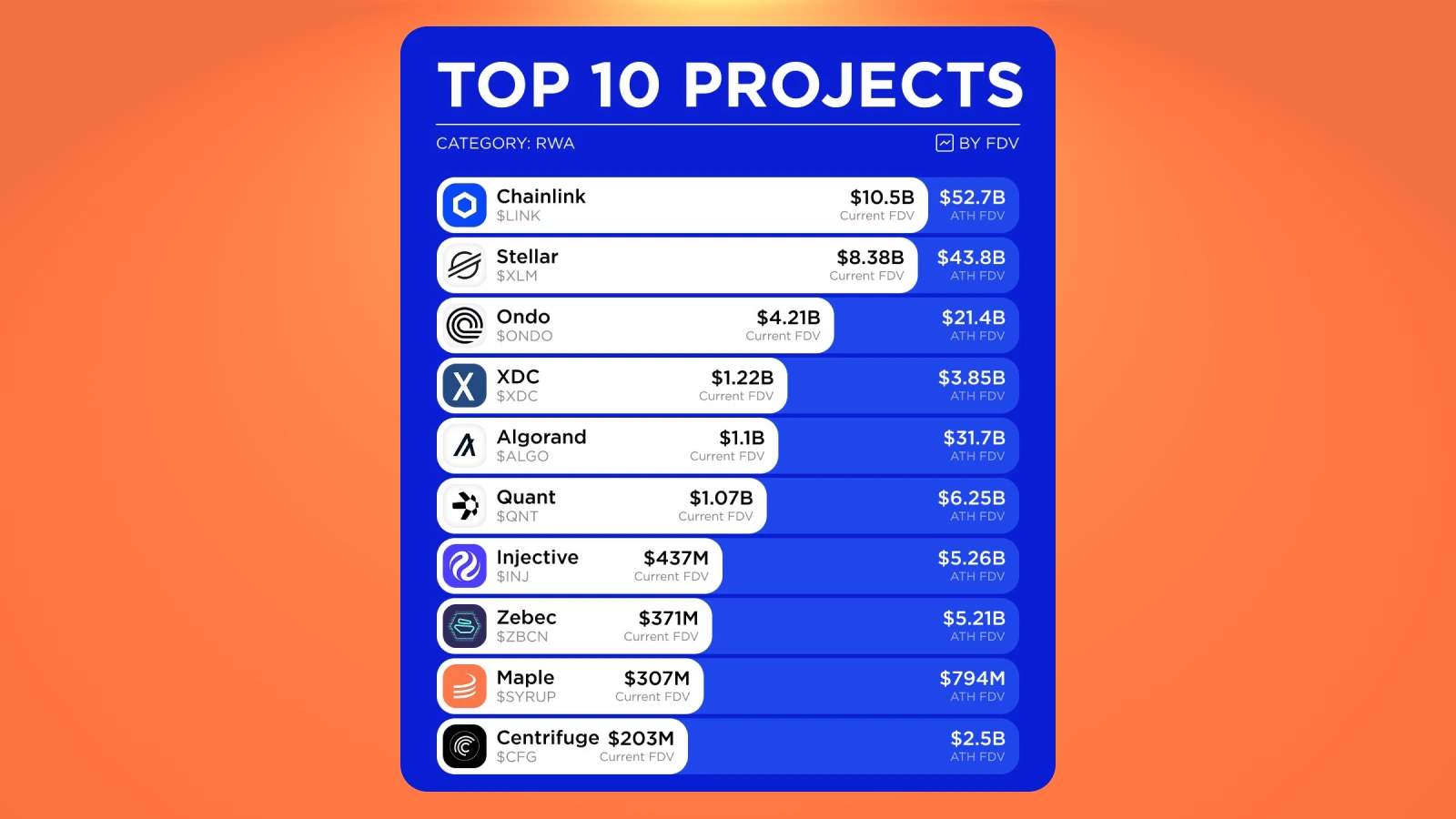
If those markets continue expanding over the coming decade, infrastructure providers could become some of the biggest beneficiaries.
That possibility sits at the center of the Quant investment narrative.
Risks Investors Should Know
A strong narrative does not guarantee adoption.
Quant’s vision depends on financial institutions embracing tokenized assets, digital money, and interoperable infrastructure. While momentum is clearly building, adoption across global finance may take longer than investors expect.
Competition is another consideration.
Quant is not the only company pursuing infrastructure for digital finance. Traditional technology providers, blockchain networks, payment companies, and other interoperability projects are all competing for a role in the future financial system.
Investors should also consider:
- regulatory uncertainty
- execution risk
- evolving technology standards
- token utility risk
- market volatility
Perhaps the biggest risk is that infrastructure is often invisible when it works. Quant’s success ultimately depends on whether its products become part of the foundation of digital finance rather than simply remaining an interesting vision of what that future could look like.
Managing QNT Securely
As interest in tokenized finance grows, secure asset management remains essential.
Whether holding QNT as part of a long-term investment thesis or maintaining exposure to the broader digital asset market, investors should prioritize self-custody, private key ownership, and proper security practices.
Atomic Wallet allows users to securely manage QNT alongside thousands of other digital assets through a self-custody experience designed to keep users in control of their funds.
Maintaining ownership of private keys reduces reliance on third parties and provides greater control over digital assets in a rapidly evolving financial landscape.
Conclusion: Can Quant Become the Infrastructure Layer for Digital Money?
Quant is betting that the future of finance will run across many networks, not just one.
As tokenized assets, digital money, and programmable payments continue expanding, financial institutions face a growing challenge: connecting increasingly complex systems without sacrificing security, compliance, or efficiency.
Quant’s answer is infrastructure.
Through products such as Overledger, Quant Flow, QuantNet, and Fusion, the company is building tools designed to help banks, fintechs, payment providers, and enterprises operate in a multi-network financial world.
The success of that vision is far from guaranteed.
However, if tokenization continues reshaping global finance, the infrastructure connecting different forms of money may become just as important as the money itself.
That is the opportunity Quant is pursuing.