What Is Zebec Network (ZBCN)? Inside the PayFi SuperApp and RWA Integration
Zebec Network is a blockchain infrastructure project focused on real-time financial flows powered by stablecoins. Instead of relying on delayed payment cycles or traditional banking intermediaries, the ecosystem aims to enable programmable money movement through onchain settlement rails. Its core products target payroll automation, consumer spending tools, and integrated financial services designed for both individuals and businesses operating in global digital markets.
• real-time crypto payroll infrastructure
• stablecoin payment rails built around USDC
• PayFi-focused financial applications
• SuperApp integrating payments and DeFi tools
• powered by the ZBCN utility token
The PayFi Narrative Explained
PayFi refers to a growing category of blockchain-based financial infrastructure designed to automate recurring money flows such as salaries, subscriptions, and treasury distributions. Unlike traditional payment systems that process transfers in batches and depend on banking hours, PayFi models use smart contracts to enable continuous, programmable settlement. By focusing on real-time stablecoin transfers and integrated consumer applications, Zebec positions itself as part of this shift toward financial systems where payments function as an always-on digital service rather than a periodic transaction.
How Zebec’s Real-Time Payroll Works
Zebec’s payroll model is designed around continuous payment streams rather than periodic transfers. Instead of receiving a full salary at the end of a pay cycle, employees can access earned income as it accrues, with settlement handled through onchain infrastructure. This approach aims to improve cash-flow flexibility for workers while giving businesses programmable control over treasury distributions.
• employers stream salaries in stablecoins through smart-contract rails
• employees receive funds gradually rather than in lump-sum payouts
• settlement occurs onchain using Zebec payment infrastructure
• enterprise tools support compliance and treasury management
• integrations allow payments to connect with wallets and consumer apps
The Zebec SuperApp Vision
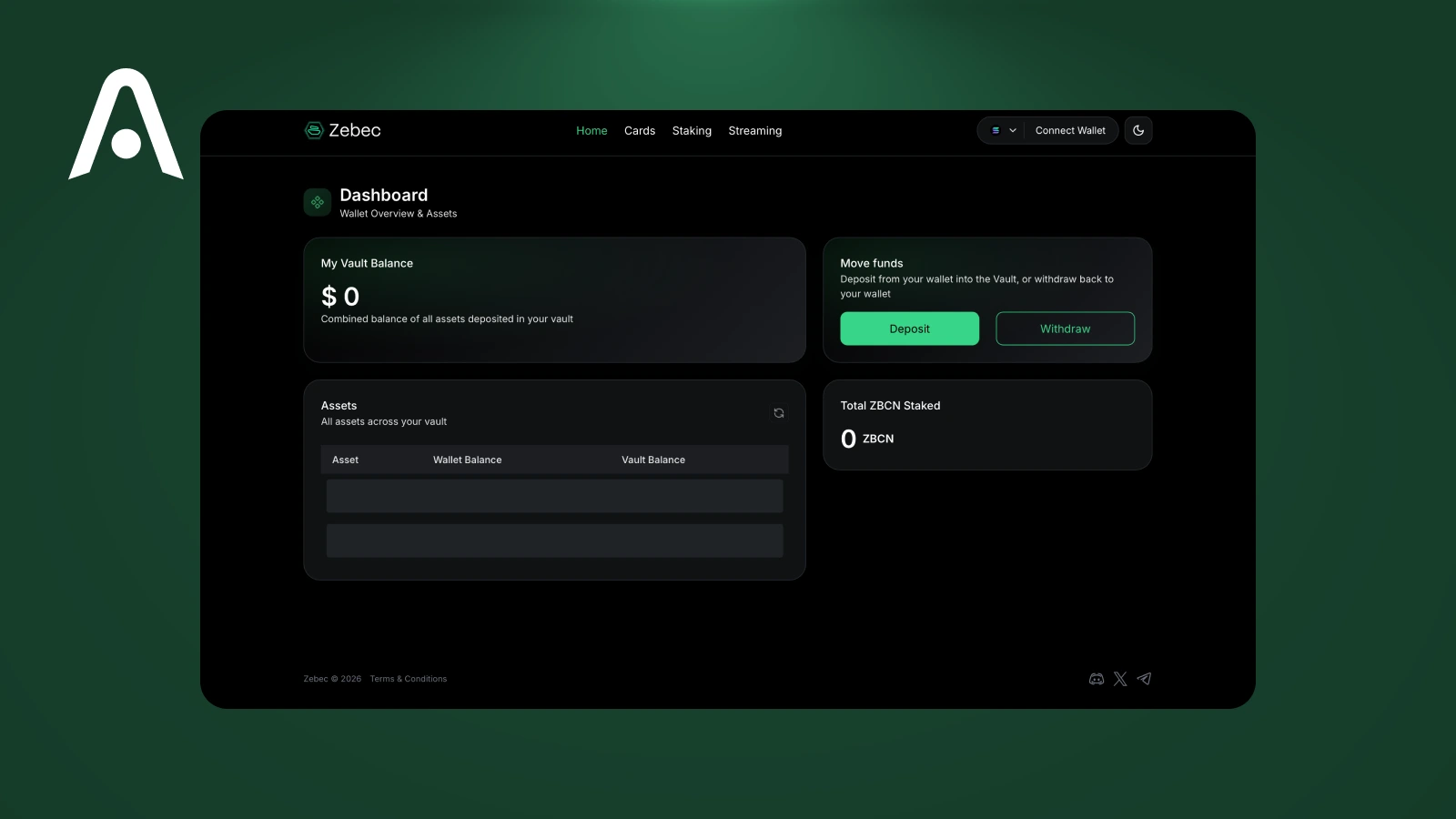
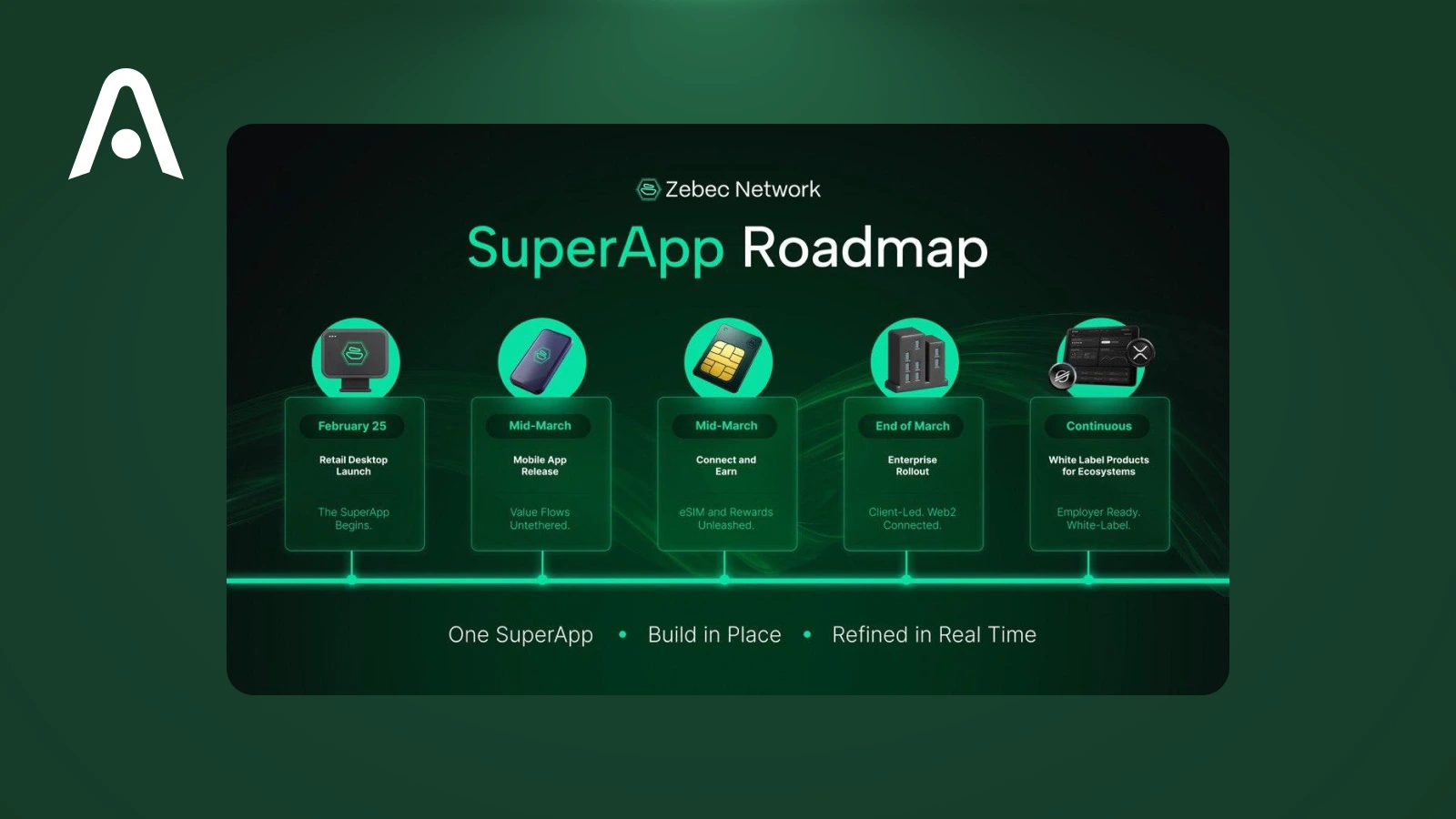
Zebec is expanding its infrastructure into a broader consumer-facing SuperApp that combines income management, spending tools, and financial services in one interface. The goal is to create a unified environment where users can receive streamed payments, hold stablecoins, make everyday purchases, and access additional financial features without switching between multiple platforms. This reflects a wider trend in crypto toward integrated financial experiences that merge fintech functionality with blockchain settlement.
ZBCN Token Utility Explained
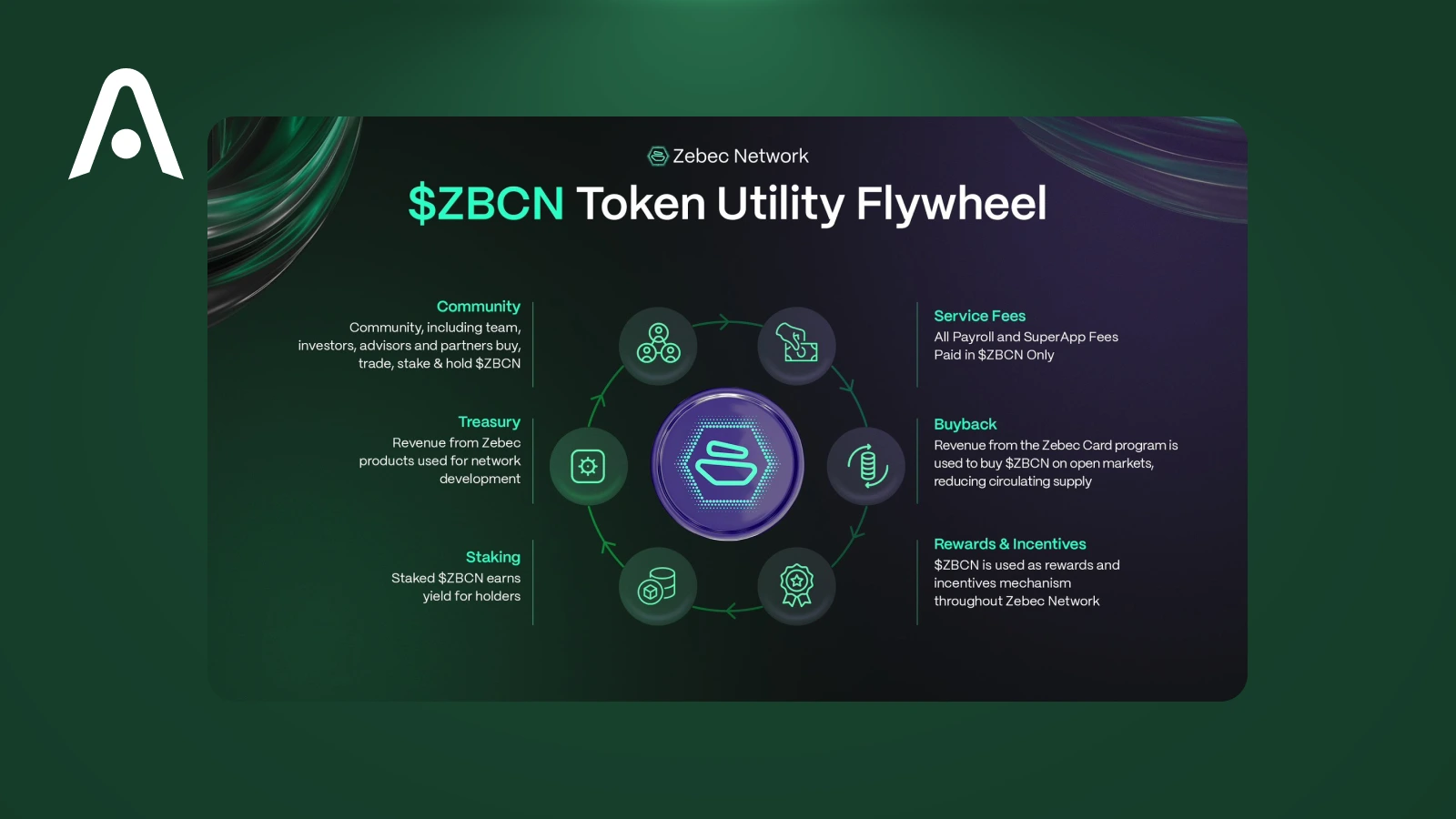
ZBCN functions as the core coordination layer across the Zebec ecosystem. While stablecoins handle most transactional value transfer, the native token supports governance, incentives, and platform-level mechanics that connect different products within the network.
• used for governance voting on network upgrades and ecosystem decisions
• powers fee settlement across payment and financial applications
• enables staking mechanisms linked to participation rewards
• may unlock access to premium features within the SuperApp environment
Stablecoin Infrastructure and USDC Integration
Zebec’s payment architecture is built around stablecoin settlement to reduce volatility exposure in everyday financial use cases. By relying on assets such as USDC for payroll distribution and merchant transactions, the network aims to provide predictable value transfer while retaining the programmability of blockchain systems. This design aligns with the broader shift toward stablecoin-based payment rails as crypto infrastructure expands into real-world financial operations.
Zebec and the Role of RWAs
As the ecosystem expands, Zebec is increasingly positioned within the broader real-world asset narrative. Payment streaming, merchant settlement, and tokenized revenue flows all represent ways in which off-chain financial activity can be structured and automated on blockchain infrastructure. By connecting stablecoin liquidity with practical business use cases, Zebec contributes to the trend of digitizing real-world financial processes rather than focusing solely on trading applications.
Risks and Structural Considerations
Real-time payment infrastructure can improve efficiency in payroll and financial flows, but it also introduces regulatory, operational, and market risks. Understanding these factors helps users and enterprises evaluate the long-term viability of PayFi platforms.
What Zebec Signals About the Future of Onchain Payments
Projects like Zebec illustrate how blockchain infrastructure is gradually shifting from speculative trading use cases toward everyday financial functionality. Real-time settlement, programmable payroll, and stablecoin-based payment rails suggest a model where money movement becomes continuous rather than batch-processed. As payment applications evolve into broader financial platforms, the distinction between crypto wallets, fintech services, and treasury management tools may become increasingly blurred.
Manage Stablecoins and Crypto Payments Securely
Onchain payment systems and payroll apps rely on secure wallet infrastructure for storing and transferring digital assets. Whether receiving salary streams, managing stablecoin balances, or interacting with payment applications, self-custody remains an important part of financial control in crypto.
Use Atomic Wallet to securely store, send, and manage stablecoins and other crypto assets across multiple blockchain networks.