What Is a Blockchain Explorer?
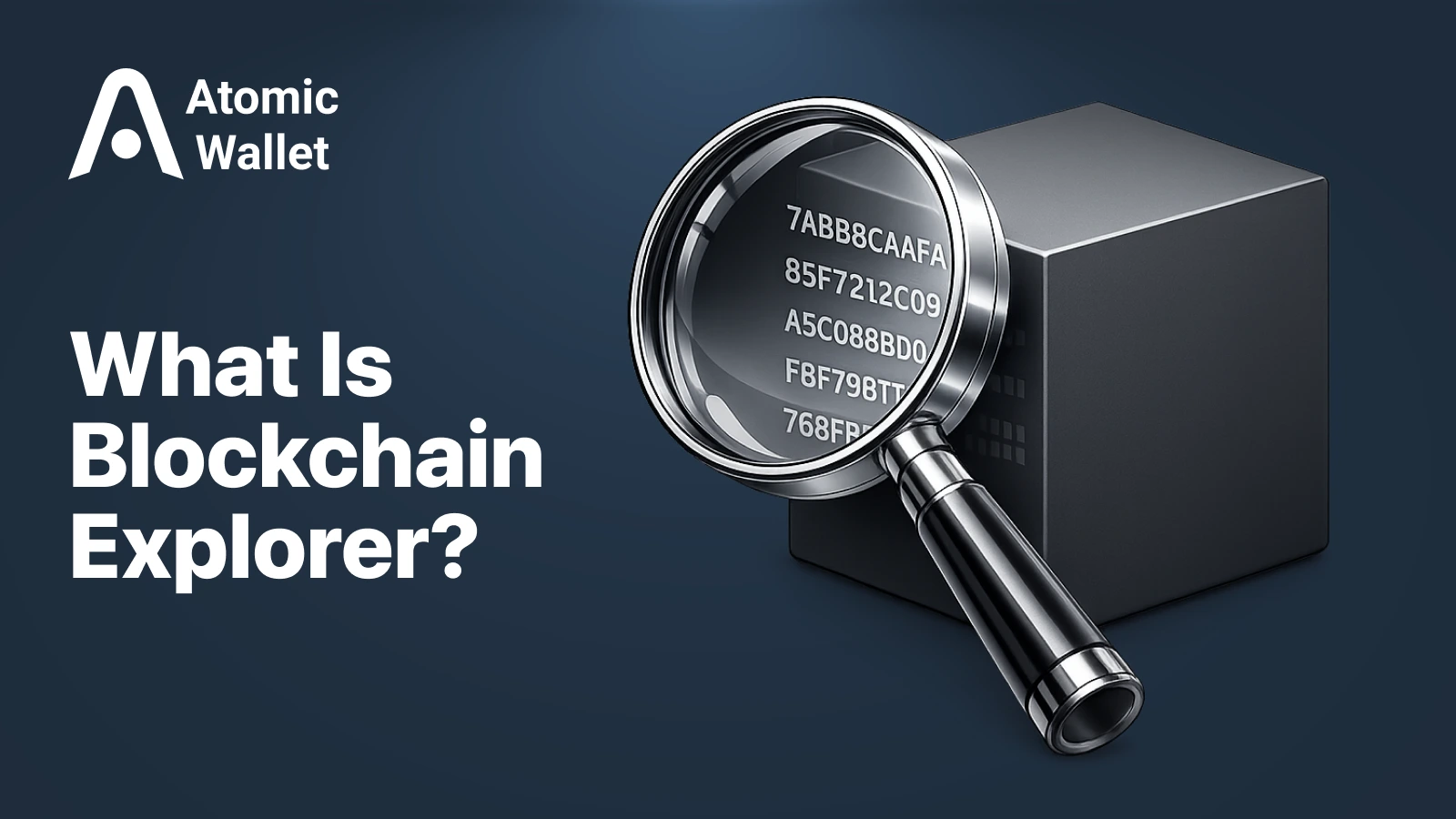
A blockchain explorer is a tool that allows users to search, view, and analyze data stored on a blockchain network. It acts as a public interface for onchain activity, enabling anyone to inspect transactions, wallet addresses, and blocks in real time. Instead of relying on intermediaries, users can independently verify what is happening on a blockchain by entering a transaction ID, wallet address, or block number into the explorer.
• search engine for blockchain data
• view transactions, blocks, and wallet activity
• check balances and transaction confirmations
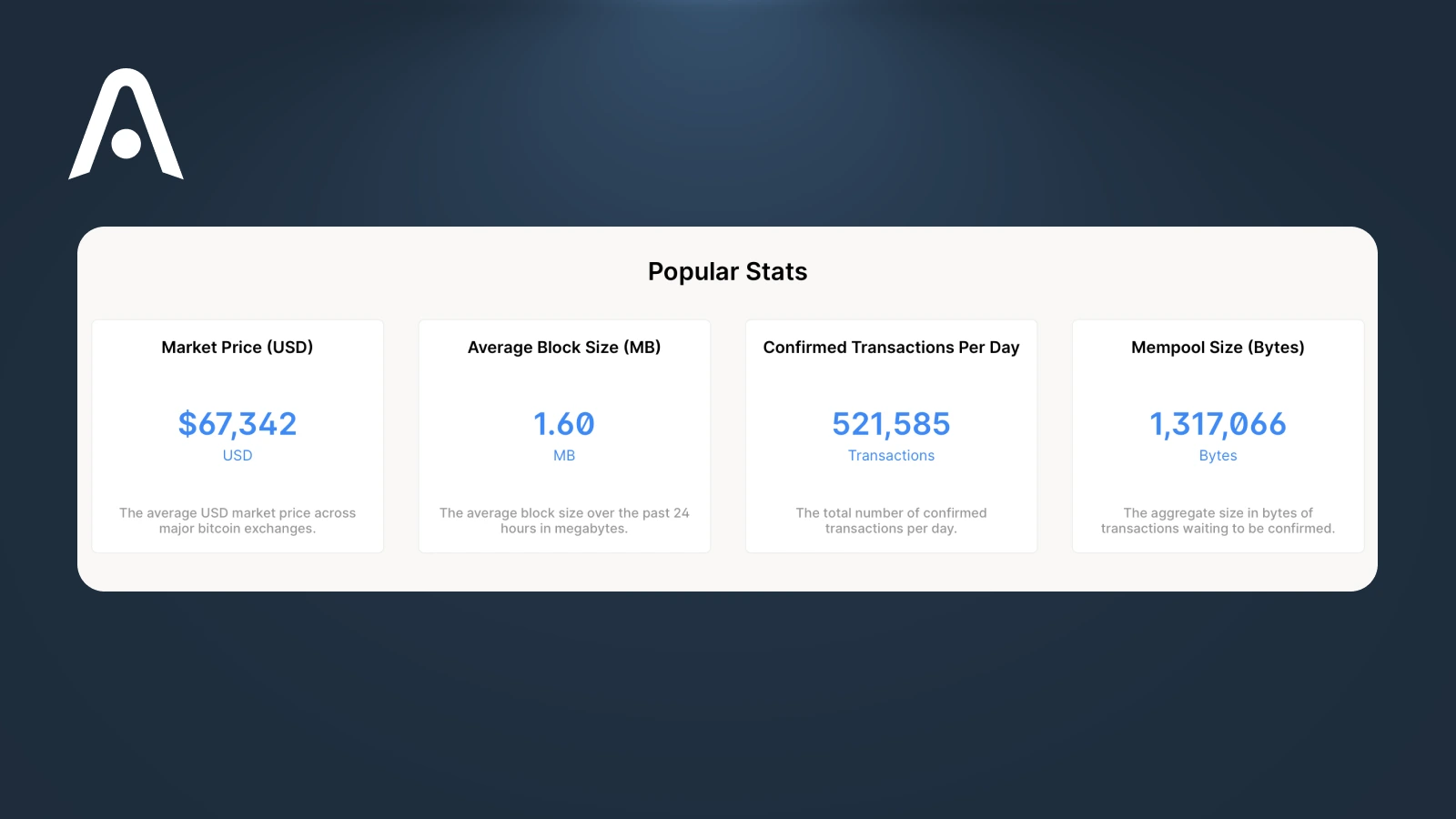
• monitor fees and network status
• available for major blockchains like Bitcoin and Ethereum
How a Blockchain Explorer Works
Blockchain explorers aggregate and organize data from nodes that maintain the network. Each transaction and block is recorded on the blockchain, and explorers index this information to make it searchable through a simple interface. When a user enters a transaction ID or wallet address, the explorer retrieves the relevant onchain data and displays it in a structured format, including timestamps, fees, confirmations, and transfer details.
Why Use a Blockchain Explorer?
A blockchain explorer provides direct visibility into network activity, allowing users to verify transactions and analyze onchain data without relying on third parties. It is one of the most practical tools for anyone interacting with crypto, from checking a payment status to understanding broader network conditions.
• check if a transaction is confirmed or pending
• verify incoming or outgoing payments
• track wallet balances and transaction history
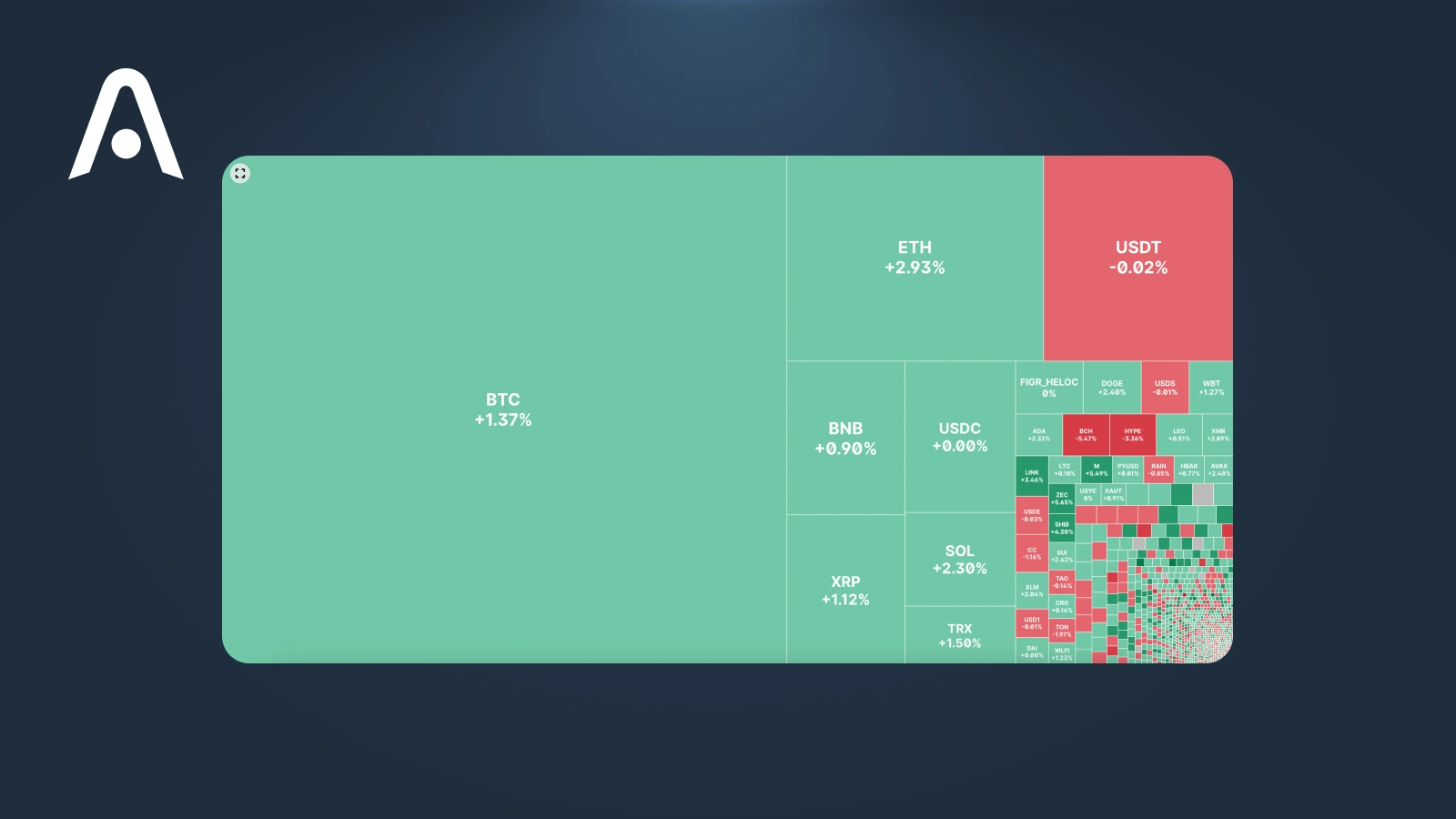
• monitor fees and network congestion
• analyze large or unusual transactions
What Can You See on a Blockchain Explorer?
• transaction status, confirmations, and timestamps
• wallet balances and token holdings
• block details and mining or validation data
• transaction fees and gas usage
• mempool activity and pending transactions
• smart contract interactions and token transfers
How to Use a Blockchain Explorer (Step-by-Step)
- Open a blockchain explorer for the relevant network (e.g., Bitcoin or Ethereum)
- Paste a transaction ID (TXID), wallet address, or block number into the search bar
- Review the transaction status (pending or confirmed)
- Check the number of confirmations to assess finality
- Analyze details such as sender, recipient, fees, and transferred assets
Popular Blockchain Explorers
Different blockchain networks use dedicated explorers to track transactions, addresses, and onchain activity. Below is a comparison of widely used explorers across major ecosystems.
Blockchain Explorer vs Crypto Wallet
A blockchain explorer and a crypto wallet serve very different purposes, even though both are used to interact with blockchain data.
Blockchain explorer
• read-only interface
• shows public transaction and address data
• does not store funds
• used for verification and analysis
Crypto wallet
• stores private keys
• allows sending and receiving assets
• manages balances and tokens
• provides access to blockchain applications
Common Use Cases
• checking if a crypto transaction was successfully sent
• verifying incoming payments to a wallet
• tracking activity of large wallets (whales)
• reviewing token contracts before interacting
• monitoring DeFi and NFT transactions
Limitations of Blockchain Explorers
While blockchain explorers provide transparency, they also have limitations. The data shown is only what exists onchain, which means interpretation is often required, especially for complex transactions involving smart contracts or multiple token transfers.
• cannot directly identify the real owner of a wallet
• only displays publicly available blockchain data
• does not guarantee that a token or contract is safe
• complex transactions may be difficult for beginners to interpret
What a Blockchain Explorer Signals About Crypto Transparency
Blockchain explorers highlight one of the core properties of crypto networks: open and verifiable data. Unlike traditional financial systems, where transaction information is restricted, blockchains allow anyone to independently audit activity in real time. This level of transparency enables trustless verification, reduces reliance on intermediaries, and makes it possible to analyze financial flows across global networks.
Manage Crypto Securely
Blockchain explorers help you verify transactions, but they do not store or protect your assets.
Use a secure, non-custodial wallet to manage your crypto, interact with blockchain networks, and maintain full control over your funds.