Revolut Crypto Card: How the New Physical Crypto Card Works
Crypto cards have existed for years, but most of them still felt niche — digital products aimed primarily at existing crypto users.
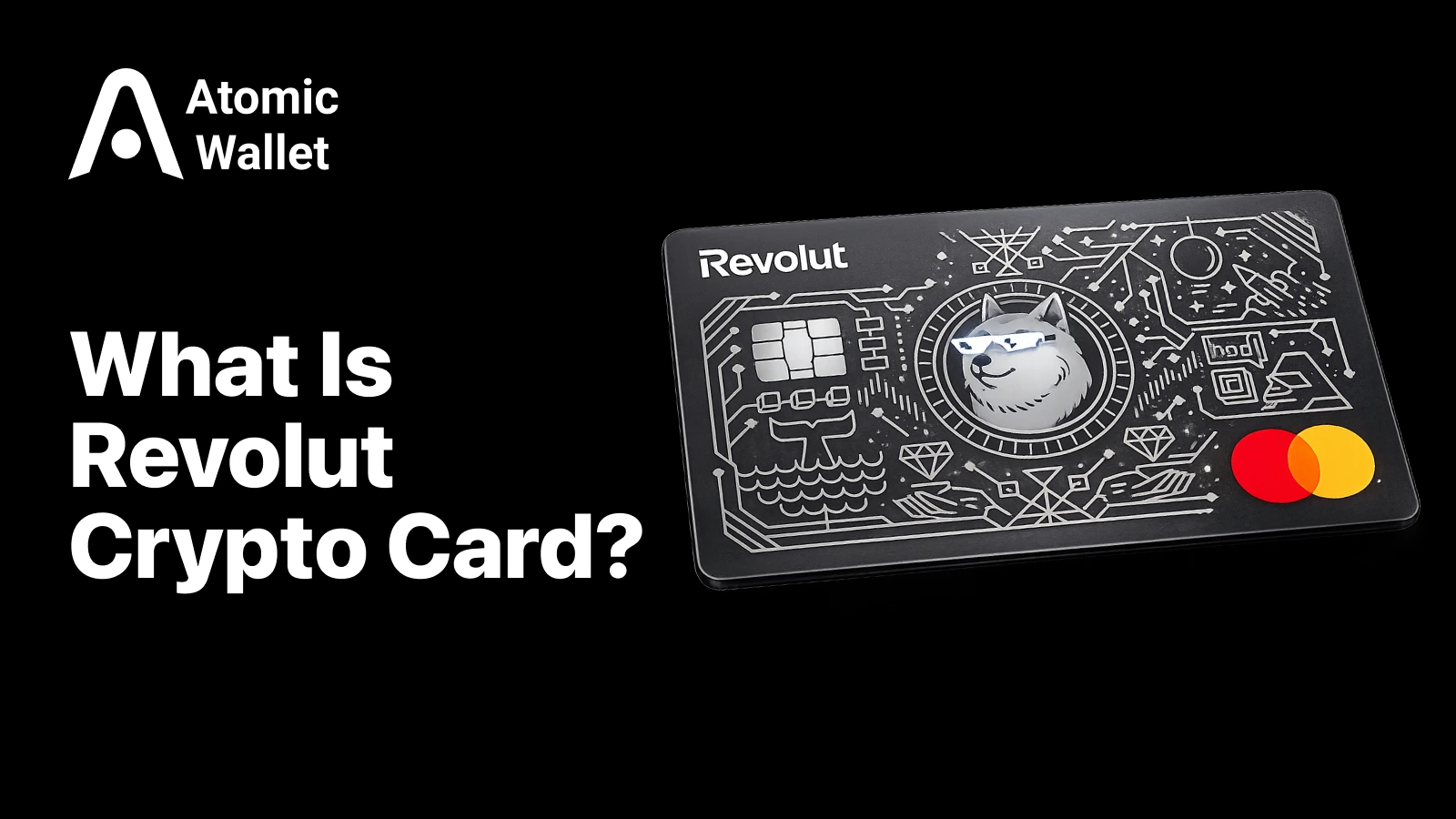
Revolut’s new physical crypto card changes the presentation completely. Instead of looking like a trading feature inside an app, it looks and behaves like a mainstream consumer payment product. The Dogecoin branding, LED tap-to-pay effect, and physical card design are all part of that shift.
At the same time, the launch says something larger about the market: crypto spending is becoming easier, more consumer-friendly, and increasingly tied to familiar banking-style experiences.
Why Revolut’s Crypto Card Is Getting Attention
Revolut’s physical crypto card blends mainstream payment design with crypto-linked spending, making crypto payments feel more like everyday banking products.
The launch gained attention quickly because it combines several things the crypto industry rarely delivers at the same time:
- recognizable consumer UX
- physical crypto-linked payments
- mainstream neobank distribution
- viral crypto branding
The Dogecoin-themed design became an immediate social media hook, especially with the LED tap-to-pay feature built into the card itself. But the attention is not only about aesthetics.
Revolut is one of the largest fintech brands operating in crypto-linked finance, which gives the launch more weight than a typical exchange debit card announcement. The product signals that crypto payments are continuing to move closer to normal consumer finance experiences rather than staying inside niche crypto ecosystems.
What Is the Revolut Crypto Card?
The Revolut crypto card is a physical payment card connected to crypto balances held inside the Revolut app.
Users can choose between virtual and physical versions of the card and use supported crypto balances for purchases through standard payment networks.
The card is currently rolling out across the UK and parts of the EEA, with availability depending on region and Revolut plan access.
From the user perspective, the process feels similar to a normal debit card:
- tap to pay
- spend through Visa or Mastercard-supported merchants
- use crypto-linked balances inside the Revolut ecosystem
The difference is what happens behind the scenes. Instead of merchants receiving DOGE, BTC, or other cryptoassets directly, Revolut converts the crypto balance during the transaction process before settlement occurs.
Who Can Use the Revolut Crypto Card?
The Revolut Crypto Card is available to verified Revolut users who complete the platform’s crypto onboarding requirements and live in supported regions.
Unlike self-custodial crypto wallets, the Revolut Crypto Card operates within Revolut’s regulated financial ecosystem and requires identity verification before activation.
To access the card, users typically need to:
- create a Revolut account;
- complete KYC verification;
- complete Revolut’s crypto onboarding process;
- pass required crypto risk assessments;
- accept crypto-related terms and conditions.
The physical card is currently available in:
- the United Kingdom;
- most EEA countries.
At launch, availability excludes:
- Hungary;
- Switzerland;
- Portugal.
Limits and Restrictions
The Revolut Crypto Card comes with several operational restrictions that differ from traditional crypto wallets.
Key limitations include:
- transactions are funded through crypto-to-fiat conversion at the time of payment;
- merchants receive fiat currency rather than cryptocurrency;
- spending crypto may be treated as a taxable disposal event depending on local regulations;
- transactions require sufficient supported crypto balances within the Revolut ecosystem;
- card availability and supported features may vary by country.
Reported usage limits include:
- up to £100,000 per transaction;
- up to 100 crypto conversions within a 24-hour period.
Actual limits may vary based on account type, region, compliance requirements, and future Revolut policy updates.
For many users, these requirements will feel familiar to traditional fintech products, but they differ significantly from self-custodial wallets where users can transact directly on-chain without platform-level onboarding or identity verification.
How the Revolut Crypto Card Works
The Revolut crypto card converts crypto into fiat during payment, allowing users to spend crypto balances through traditional card networks.
From the user side, the experience is intentionally simple. The card works like a standard payment card: tap, approve, and complete the purchase.
Behind the scenes, though, several things happen almost instantly:
- Revolut checks the selected crypto balance
- the required crypto amount is converted at the current exchange rate
- the merchant receives fiat currency through standard payment rails
- the user’s crypto balance is reduced accordingly
This means the payment itself is not an on-chain crypto transfer between buyer and merchant. The crypto exposure exists on the user side, while the settlement infrastructure still runs through traditional financial systems.
That structure is one reason crypto cards can feel much smoother than direct blockchain payments in retail environments.
Does the Card Actually Spend Crypto Directly?
The Revolut crypto card does not send crypto directly to merchants — crypto is converted into fiat before settlement takes place.
This distinction matters because the user experience can make the payment feel “fully crypto-native,” even though the transaction still depends on conventional payment infrastructure underneath.
Merchants accepting the card do not need to support Bitcoin, Dogecoin, or blockchain payments themselves. They simply process the transaction through existing Visa or Mastercard systems.
In practice, Revolut acts as the conversion layer between crypto balances and fiat settlement.
That creates a much easier payment experience for mainstream users, but it also means the model remains custodial:
- Revolut controls the infrastructure
- conversion happens internally
- users rely on Revolut’s exchange and payment systems
- payments are abstracted away from direct on-chain transfers
The result feels like crypto spending, but the mechanics are still closely tied to traditional finance rails.
Why Crypto Cards Are Becoming More Popular
Crypto cards are growing because they reduce friction between digital assets and everyday spending.
For most users, spending crypto directly through wallets and on-chain payments is still too complicated for normal retail use. Crypto cards simplify that experience by turning digital assets into something that behaves more like a traditional bank balance.
That shift matters because mainstream adoption usually follows familiarity.
Instead of learning new payment systems, users can:
- tap to pay normally
- spend through existing merchant networks
- manage crypto inside familiar fintech apps
- avoid dealing with direct blockchain transactions at checkout
The result is a model where crypto becomes easier to use without requiring merchants to rebuild payment infrastructure around blockchain technology.
Revolut’s Dogecoin Branding Strategy
The Dogecoin branding turns the Revolut crypto card into a marketing product as much as a payment product.
From a technical perspective, the card could have launched without DOGE imagery at all. But the branding changes how the launch spreads online.
Dogecoin already carries strong internet-native recognition inside and outside crypto culture:
- meme identity
- retail familiarity
- viral social reach
- broader mainstream awareness than many crypto assets
By attaching the launch to DOGE aesthetics and LED visuals, Revolut transformed a fintech product update into something designed for screenshots, social sharing, and online discussion.
The strategy also reflects a broader crypto trend: products increasingly compete not only on utility, but on cultural visibility and consumer attention.
Fees, Exchange Rates, and Tax Considerations
Crypto card payments may still involve conversion spreads, plan-based limits, and taxable events depending on the user’s jurisdiction.
The “spend crypto like cash” experience feels simple on the surface, but several financial layers still exist underneath the transaction.
When a payment happens, Revolut converts crypto into fiat at the exchange rate available during the purchase. Depending on the user’s plan and usage level, additional exchange rate or fair usage fees may apply.
Tax treatment is another important consideration.
In many jurisdictions, spending crypto is treated as a disposal event rather than a normal cash payment. That means using a crypto card can potentially trigger taxable gains or losses depending on:
- local regulations
- purchase history
- crypto price movement
- holding period
The card simplifies payments, but it does not remove the financial and regulatory mechanics connected to crypto transactions.
Crypto Cards vs Self-Custody Wallet Spending
Crypto cards prioritize convenience and banking-style UX, while self-custody wallets prioritize direct ownership and on-chain control.
The two models solve very different problems.
Crypto cards reduce friction for mainstream spending, especially in retail environments where merchants already rely on traditional payment systems.
Self-custody wallets operate differently. Instead of converting assets through a centralized provider, users manage their own keys, transfers, and blockchain interactions directly.
The trade-off is clear:
- crypto cards optimize usability
- self-custody optimizes control and ownership
What This Means for Crypto Payments
Crypto payment products are becoming more consumer-friendly, even though most transactions still depend on traditional financial infrastructure underneath.
That transition is one of the most important shifts happening in crypto UX right now.
For years, crypto payments struggled because blockchain transactions were slower, more technical, and disconnected from how people already pay for things. Crypto cards reverse that dynamic by embedding digital assets into systems users already understand.
The result is a hybrid model:
- crypto on the balance side
- fiat settlement underneath
- familiar payment experience on top
Products like Revolut’s card suggest the industry is moving toward abstraction rather than forcing mainstream users to interact directly with blockchain mechanics during everyday purchases.
Managing Crypto Beyond Payment Cards
Crypto cards simplify spending, but wallets still play a larger role in storing, transferring, and managing digital assets across the broader crypto ecosystem.
Payment cards focus on convenience. Wallets focus on access and ownership.
That distinction becomes important once users move beyond simple purchases and start interacting with:
- transfers
- staking
- token storage
- DeFi applications
- multi-chain assets
- broader crypto ecosystems
Crypto cards handle the spending layer. Wallets remain the infrastructure layer behind long-term crypto participation.
Atomic Wallet gives users a broader environment for managing digital assets beyond payment-focused products, combining storage, transfers, staking, and multi-asset support inside one crypto management interface.
Conclusion: Crypto Cards Are Becoming Consumer Products
Revolut’s launch shows how crypto payments are evolving from niche fintech tools into mainstream-style consumer products.
The physical card itself is only part of the story. What matters more is the direction it represents:
- crypto integrated into familiar banking UX
- easier spending experiences
- less visible blockchain complexity
- stronger connection between fintech and digital assets
At the same time, the launch also highlights an important reality. Most crypto payment systems still rely heavily on traditional financial rails underneath, even when the user experience feels crypto-native.
That hybrid model is likely to define the next phase of mainstream crypto payments.