What Is ELYSIA (EL)? RWA Tokenization and ELUSD
ELYSIA is a blockchain protocol focused on bringing real-world financial assets onto onchain markets through standardized tokenization infrastructure. Rather than functioning as a single investment product, the project aims to create a framework where traditional assets — such as structured debt instruments or income-generating financial contracts — can be issued, managed, and traded within decentralized finance environments. By combining governance processes, liquidity mechanisms, and oracle-based asset tracking, ELYSIA positions itself as a bridge between traditional capital markets and programmable blockchain infrastructure.
• RWA tokenization infrastructure protocol
• issuance and lifecycle management of tokenized assets
• governance framework for reviewing new asset listings
• integration with DeFi liquidity and yield strategies
• powered by the EL ecosystem coordination token
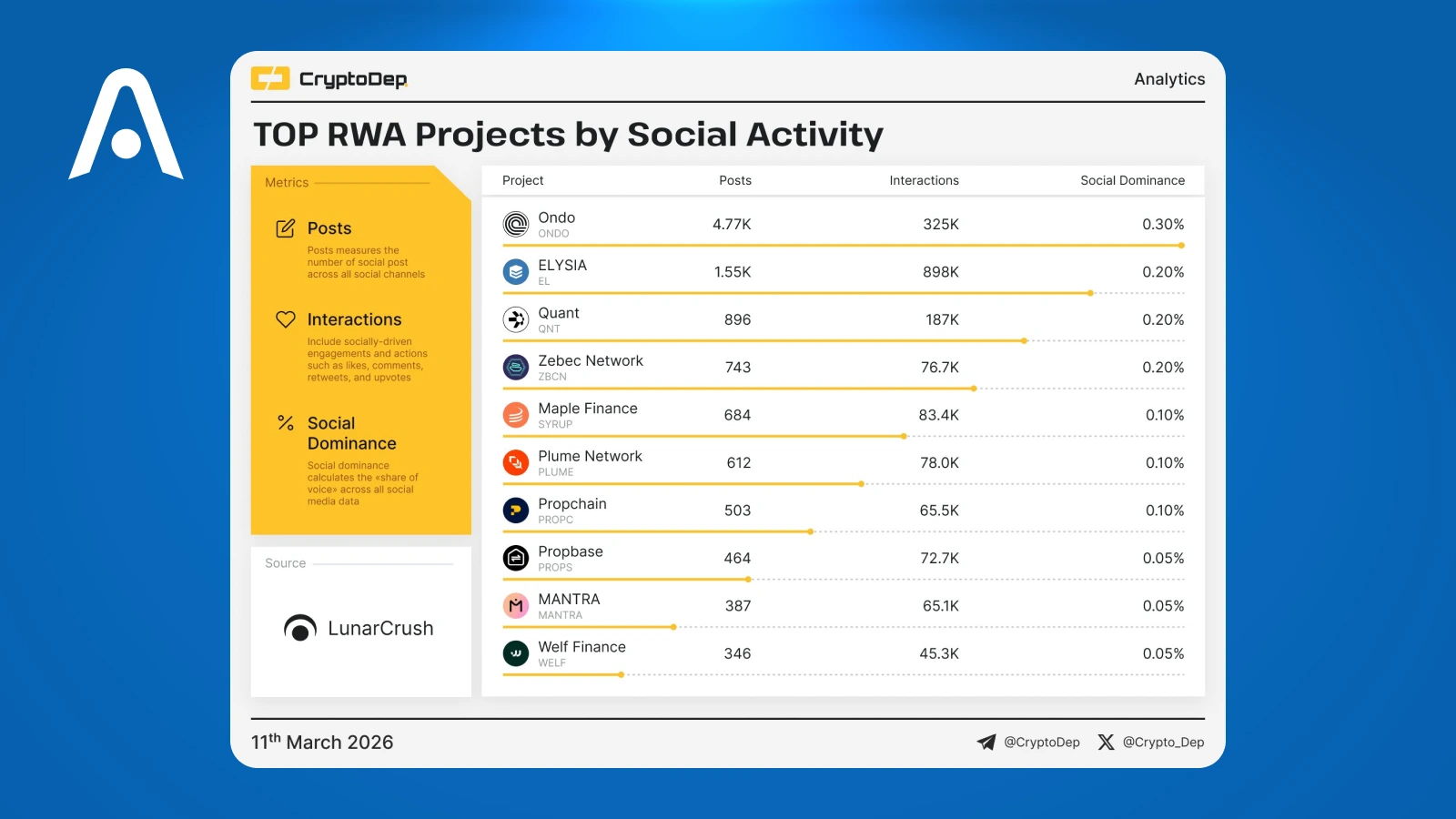
The Role of Real-World Assets in the ELYSIA Ecosystem
Within the ELYSIA architecture, real-world assets are treated as financial primitives that can be represented and distributed through blockchain systems. The protocol focuses on creating standardized issuance and settlement processes so that instruments typically restricted to private markets can potentially access broader liquidity pools. By connecting asset originators, governance participants, and DeFi users through a shared infrastructure layer, ELYSIA attempts to expand how traditional financial exposure is distributed and traded in digital markets.
How RWA Tokenization Works on ELYSIA
ELYSIA applies a hybrid structure that links blockchain-based tokens with underlying offchain financial claims. Real-world assets are first packaged into structured instruments, after which the protocol coordinates issuance, tracking, and liquidity access through smart-contract infrastructure. This approach allows token holders to interact with RWAs using familiar DeFi mechanisms while governance and oracle systems help maintain alignment with offchain performance.
• real-world financial assets structured into tokenized instruments
• governance processes review and approve new issuances
• oracle feeds monitor asset performance and valuation updates
• tokens distributed through onchain liquidity venues
• liquidation frameworks designed to manage default scenarios
The EL Token Explained
EL acts as the core coordination token within the ELYSIA ecosystem. Rather than representing direct exposure to tokenized real-world assets, it enables governance participation, staking-based alignment, and incentive distribution tied to protocol oversight and network growth.
ELUSD — The Synthetic Dollar Strategy
ELUSD is positioned as a synthetic dollar product designed for active deployment within DeFi environments. Instead of relying on fiat bank reserves, the model uses structured market strategies and capital allocation mechanisms to maintain stability while generating yield. This reflects a broader trend toward programmable dollar exposure that can be integrated directly into onchain financial activity.
• synthetic dollar built for onchain liquidity usage
• yield generated through structured arbitrage strategies
• staking programs targeting double-digit APY ranges
• integrated within ELYSIA’s DeFi infrastructure stack
Yield Opportunities and Capital Efficiency
Protocols focused on tokenized assets increasingly emphasize capital productivity rather than passive stablecoin holding. Within this context, yield-bearing synthetic dollar models aim to transform idle liquidity into actively deployed financial capital. By combining tokenization frameworks with structured investment strategies, platforms like ELYSIA attempt to improve capital efficiency across decentralized markets.
ELYSIA Ecosystem Growth
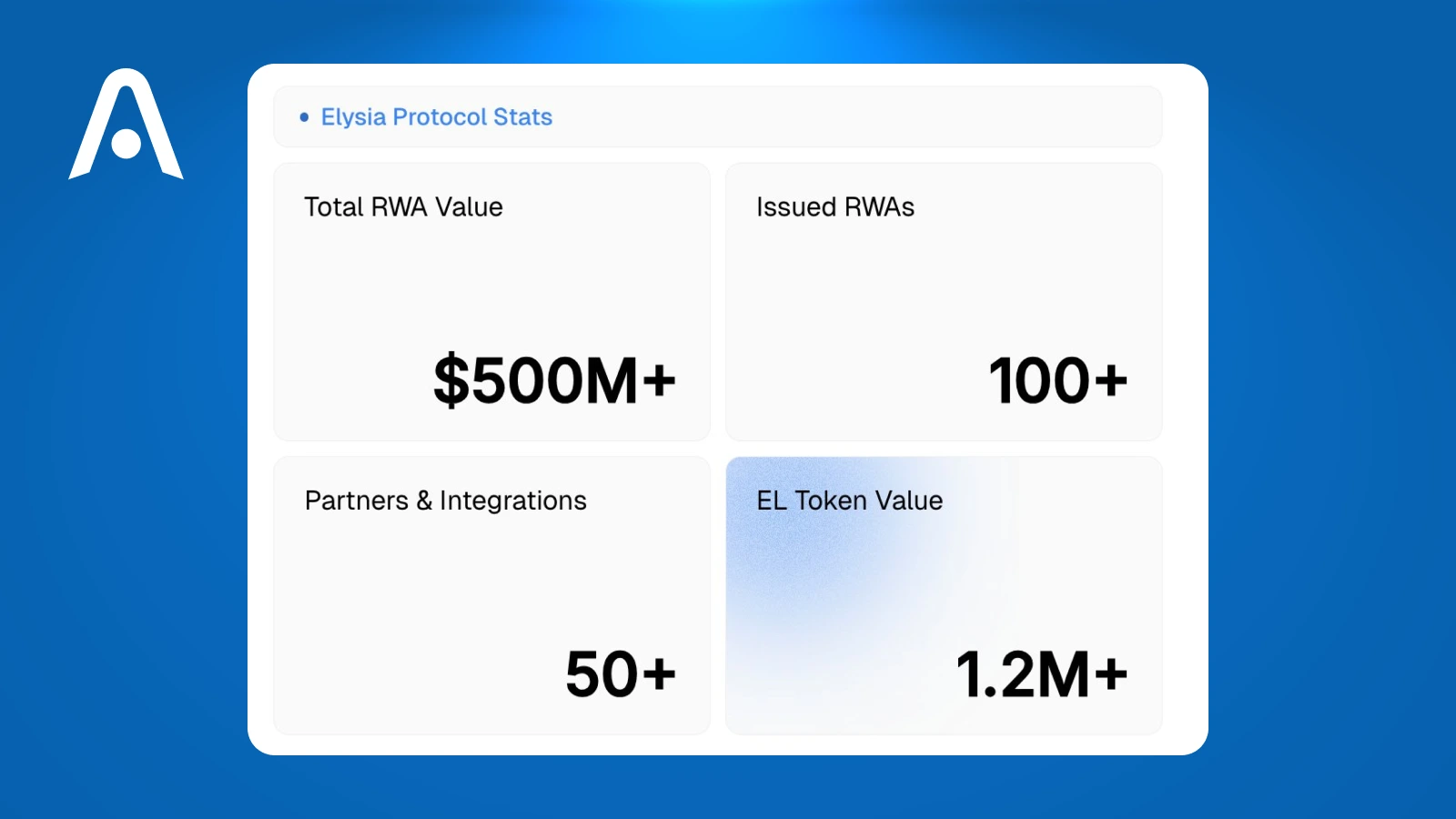
The protocol has expanded its tokenization infrastructure alongside broader participation in governance and DeFi activity. Growth metrics often reflect both the increasing issuance of tokenized assets and the development of partnerships aimed at integrating traditional financial products into blockchain markets.
• hundreds of tokenized RWA instruments issued
• expanding ecosystem partnerships and integrations
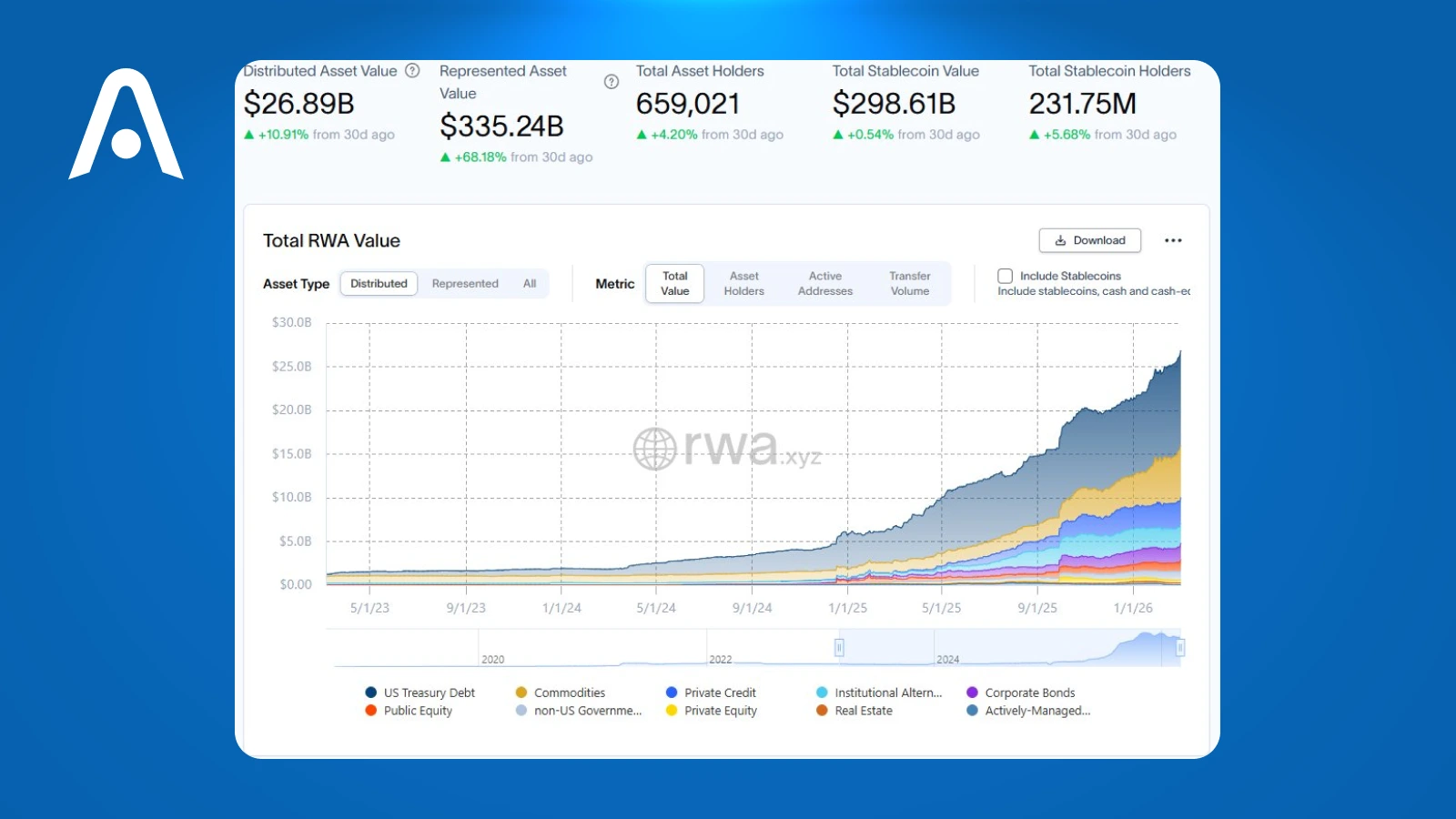
• rising total value of assets represented onchain
• growing governance participation among token holders
Risks and Considerations
While RWA protocols introduce new financial opportunities, they also combine elements of DeFi risk with exposure to offchain asset performance. Market liquidity, regulatory developments, and operational structures can all influence how tokenized financial products behave under different conditions.
• performance risk tied to structured yield strategies
• liquidity constraints during volatile market periods
• reliance on oracle data for offchain asset valuation
• regulatory uncertainty around tokenized securities
• smart contract and governance execution risks
What ELYSIA Signals About the Future of RWA Finance
Protocols focused on real-world asset tokenization suggest that blockchain networks are gradually evolving into infrastructure layers for capital markets. Instead of being limited to native crypto assets, DeFi systems are beginning to host tokenized debt instruments, synthetic dollars, and structured yield strategies. This shift reflects a broader transition toward programmable financial products that can be issued, distributed, and settled globally through onchain rails.
Explore RWA Markets Securely
Participating in DeFi protocols and RWA markets requires careful asset management and secure self-custody.
Always verify official platforms, understand how tokenized assets are structured, and use reliable infrastructure when interacting with decentralized applications.
Use Atomic Wallet to securely store and manage crypto assets across multiple blockchain ecosystems.