What Is Mezo (MEZO)? Bitcoin Banking, BTC Yield, and the Token Launch
Mezo is a Bitcoin-focused DeFi infrastructure designed to make BTC productive capital without requiring users to sell, wrap, or relinquish custody of their holdings. Instead of treating Bitcoin purely as a passive store of value, the protocol introduces a coordination layer where BTC can be used in lending, liquidity, and yield-generation mechanisms tied to real economic activity. This approach positions Mezo as part of a broader movement toward “Bitcoin banking,” where financial services are built directly around native BTC exposure rather than synthetic substitutes.
• Bitcoin finance coordination layer
• native BTC yield design
• borrow-against-BTC financial products
• dual-token economic framework
• ecosystem powered by the MEZO token
Why Bitcoin Yield Has Been a Structural Problem
Historically, earning yield on Bitcoin has required trade-offs that many long-term holders were reluctant to accept. Centralized lending platforms introduced custody risk, while wrapped BTC solutions exposed users to bridge and smart-contract vulnerabilities. In addition, earlier yield strategies often relied on inflationary token incentives rather than sustainable fee generation. As a result, the market has increasingly searched for BTC-native models that allow holders to generate returns without compromising ownership or taking on excessive structural risk.
The Bitcoin Banking Concept
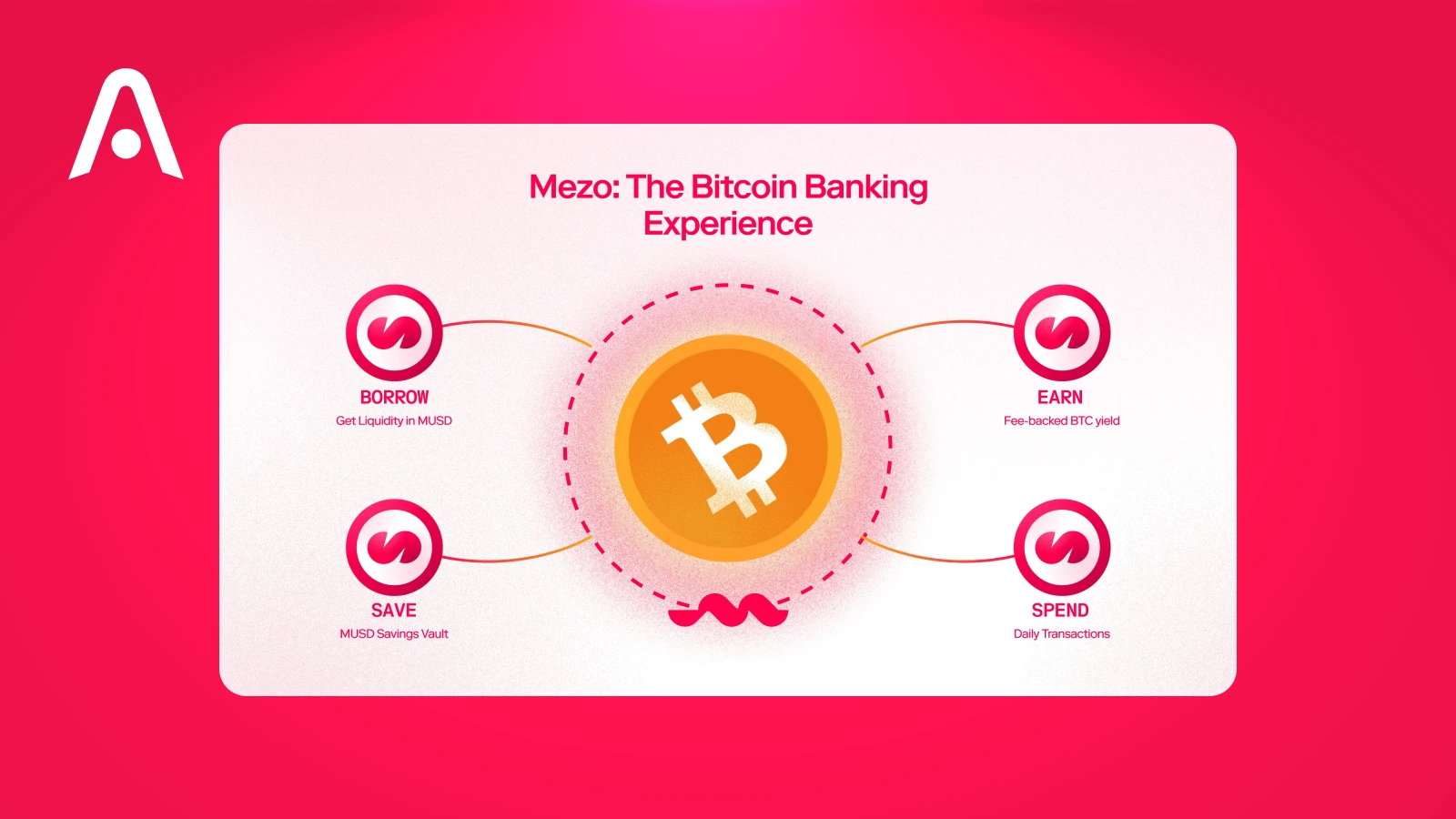
The idea behind Bitcoin banking is to treat BTC not only as a reserve asset but as collateral for financial activity. Instead of selling Bitcoin to access liquidity, users can borrow against their holdings, maintain long-term exposure to price appreciation, and deploy stable liquidity for spending or investment. This model aims to improve capital efficiency for BTC holders by allowing them to participate in financial markets while preserving their core position in the asset.
How Mezo Works
Mezo introduces a system where Bitcoin collateral interacts with protocol-level lending and fee distribution mechanisms. Users deposit BTC into the ecosystem, enabling borrowing and economic activity that generates protocol revenue. This revenue can then be redistributed to participants who lock assets and contribute to network coordination.
• users deposit BTC as collateral
• the protocol enables borrowing via MUSD liquidity
• ecosystem activity generates protocol fees
• yield flows to participants locking BTC in ve-style positions
• the MEZO token coordinates emissions and incentive routing
The Dual-Token Economic Model
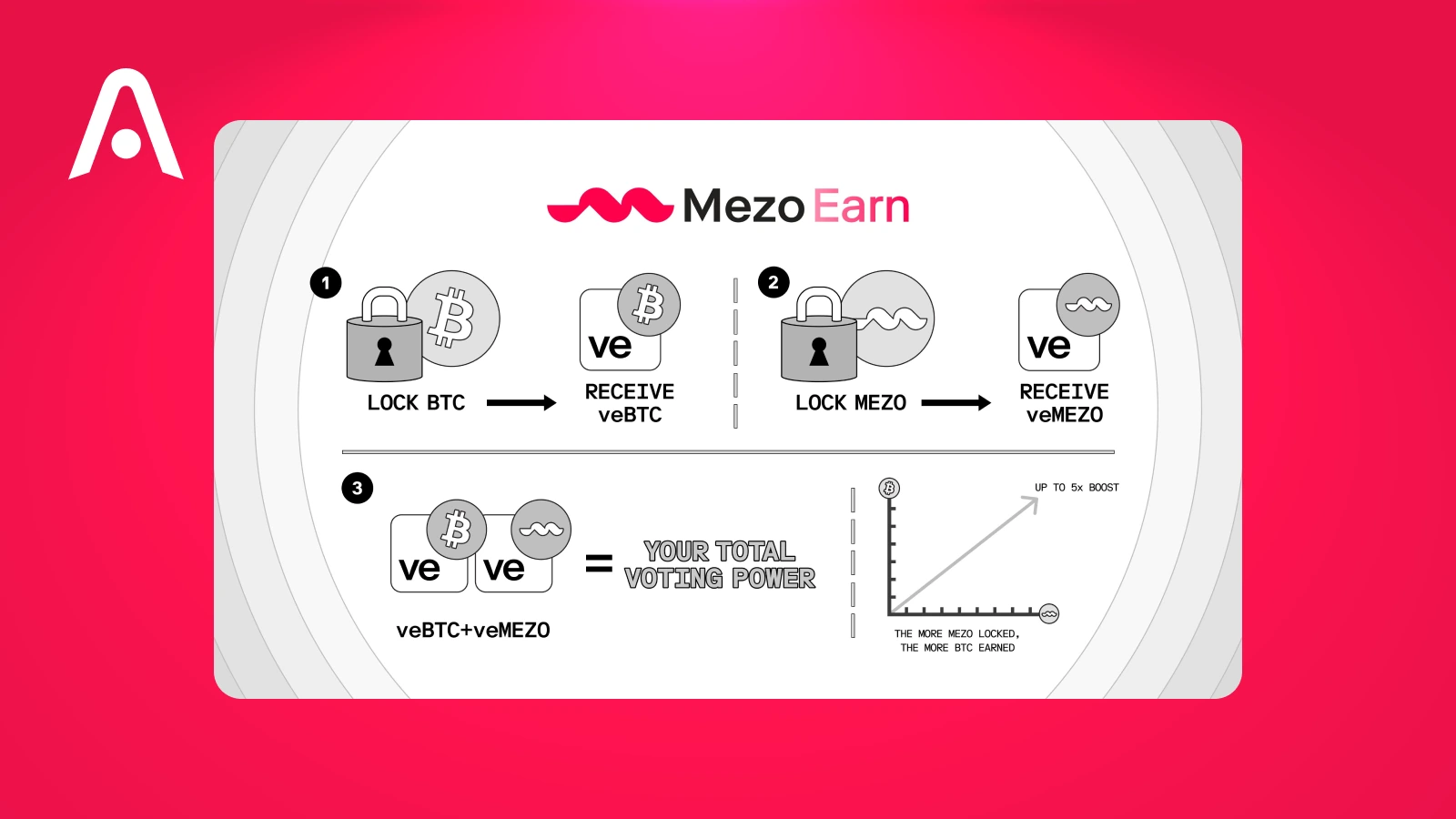
Mezo separates the traditional vote-escrow structure into two distinct economic roles. Bitcoin itself acts as the primary value anchor, while the MEZO token operates as a coordination and incentive layer within the ecosystem.
BTC / veBTC
• locked BTC earns yield sourced from protocol activity
• functions as the core economic anchor of the system
• captures fee flows generated across lending and usage
MEZO / veMEZO
• boosts yield exposure for BTC participants
• enables governance coordination and voting power
• directs emissions and incentive distribution across the network
MEZO Token Explained
MEZO serves as the ecosystem coordination token that helps align incentives between users, liquidity providers, and protocol stakeholders. Rather than acting as collateral itself, the token is designed to influence how economic activity is distributed and rewarded within the Bitcoin-focused financial layer.
• governance participation in protocol decisions
• yield-boosting mechanism for veBTC positions
• coordination of emissions and reward allocation
• incentive alignment for long-term ecosystem contributors
• participation in network-level economic planning
MEZO Tokenomics and Allocation
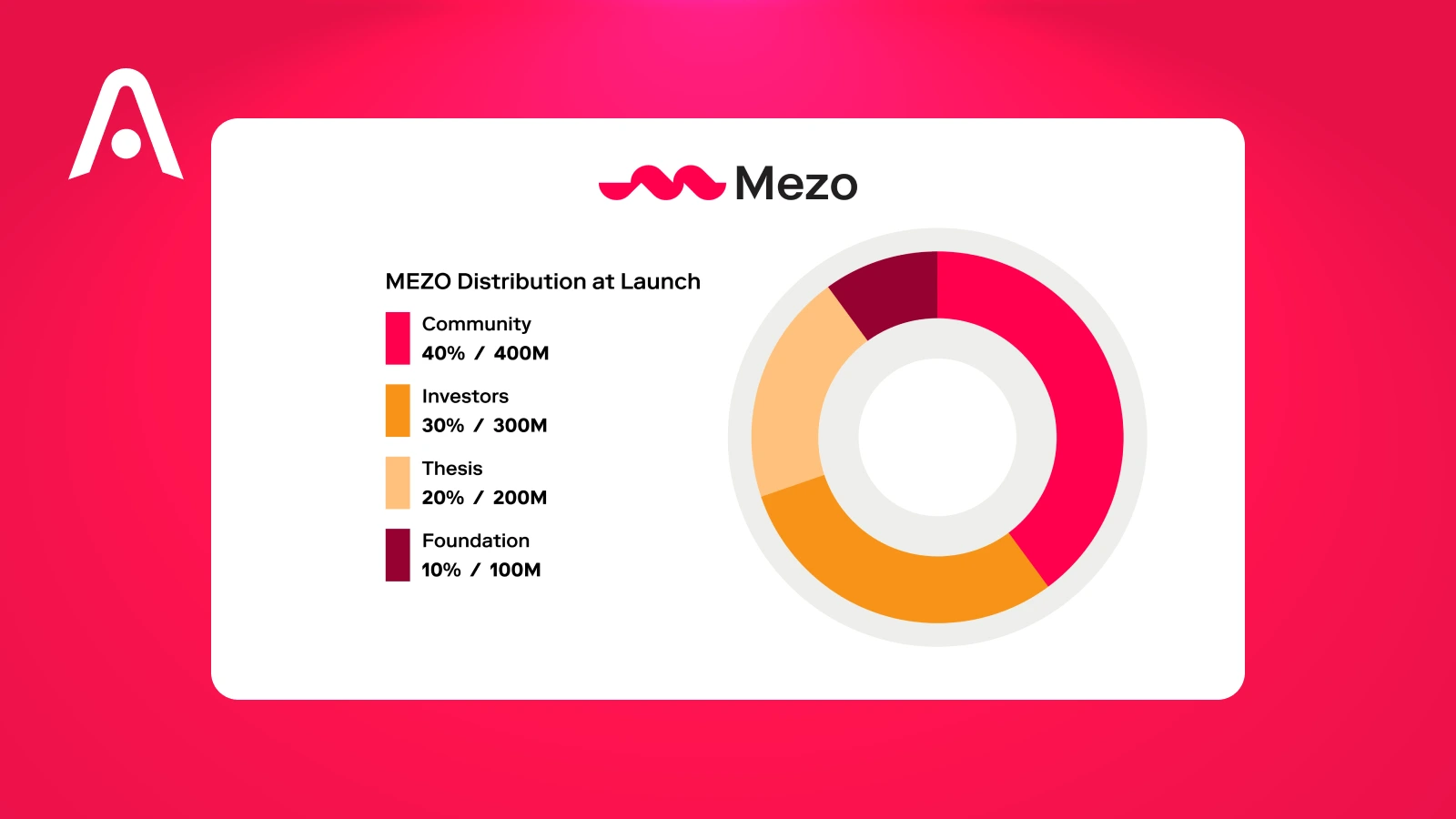
The token allocation model is designed to emphasize long-term ecosystem growth while aligning incentives between early contributors, investors, and the core development team. Vesting schedules aim to reduce immediate sell pressure and support gradual distribution over time.
• Community allocation — 40%
• Investors and partners — 30%
• Core team — 20%
• Foundation reserve — 10%
• full vesting completion within ~36 months
The emission structure is also designed to follow a halving-style cadence inspired by Bitcoin, gradually reducing distribution intensity over time.
Borrowing With Bitcoin — The MUSD Layer
Mezo introduces a borrowing mechanism that allows users to unlock liquidity without selling their BTC. By depositing Bitcoin as collateral, participants can mint MUSD — a protocol-native stable liquidity layer intended for spending, trading, or deploying into other financial strategies.
This model aims to improve capital efficiency for long-term BTC holders by enabling access to usable liquidity while maintaining exposure to Bitcoin price movements. At the same time, borrowing activity contributes to protocol fee generation, which helps sustain the broader yield distribution system within the ecosystem.
The Fee Flywheel Model
Mezo’s economic design revolves around a fee-driven incentive loop inspired by vote-escrow token systems but adapted for Bitcoin-native finance. Instead of relying primarily on token inflation, the protocol attempts to route value generated by real activity back to aligned participants.
In practice, users deposit BTC and mint liquidity through borrowing mechanisms, which generates protocol fees from swaps, bridging, and lending activity. These fees are then distributed to participants who lock BTC or MEZO for governance alignment. Over time, voting mechanisms determine how emissions and incentives are directed across the ecosystem, creating a feedback loop between usage growth and yield generation.
Airdrop and TGE Expectations
Leading up to the token launch, Mezo has introduced ecosystem participation programs designed to reward early users and contributors. Activity campaigns, quests, and referral-based incentives help determine eligibility for potential token distribution events.
• participation tracked through ecosystem actions and campaigns
• envelope-style reward mechanics used in allocation programs
• snapshot-based eligibility for early supporters
• token generation event expected near broader product rollout
As with many early-stage DeFi launches, exact timelines and distribution conditions may evolve alongside protocol development and market conditions.
Risks and Structural Considerations
While Bitcoin-focused DeFi models aim to improve capital efficiency for long-term holders, they also introduce new layers of financial and technical risk. Protocol adoption, collateral dynamics, and governance incentives can all influence how sustainable the system becomes over time.
• smart contract vulnerabilities and protocol design risks
• liquidation pressure during sharp BTC price movements
• dependence on user growth and ecosystem activity
• long-term sustainability of token incentive structures
• evolving regulatory treatment of onchain lending systems
Mezo vs Other BTCFi Approaches
Bitcoin yield strategies can follow different structural models, each with distinct risk assumptions and sources of return. While some approaches rely on wrapped assets or centralized lending, Mezo positions itself around a native BTC-aligned economic design focused on protocol-driven activity.
What Mezo Signals About the Future of Bitcoin Finance
Bitcoin is increasingly being viewed not only as a store of value but also as a potential foundation for new financial infrastructure. Protocols like Mezo reflect an emerging effort to build capital-market style primitives directly around BTC — including lending, yield distribution, and liquidity coordination mechanisms. As the broader crypto ecosystem matures, models that allow holders to retain exposure while accessing financial utility may shape the next phase of Bitcoin-native innovation.
Manage Bitcoin and DeFi Positions Securely
Participating in Bitcoin DeFi protocols and upcoming token launches requires reliable self-custody infrastructure and careful risk management. Always verify official smart contracts and use trusted tools when interacting with lending or yield platforms.
Securely store BTC, manage DeFi exposure, and access crypto markets with Atomic Wallet.