What Is RedotPay? Stablecoin Payments and Crypto Card Infrastructure
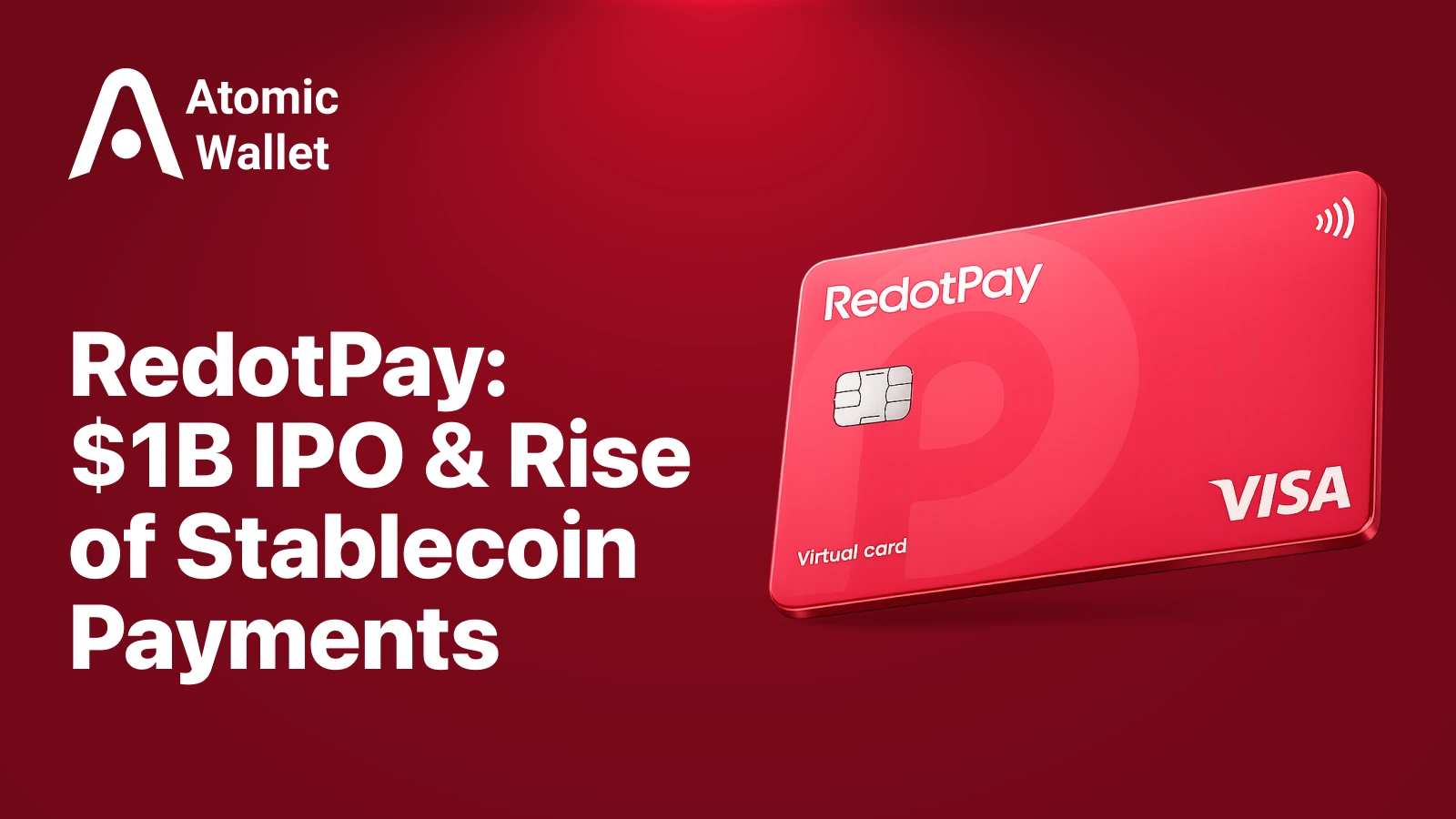
RedotPay is a crypto payment infrastructure company that enables users to spend stablecoins through traditional card networks. Rather than issuing its own digital currency, it operates as a bridge between crypto wallets and the existing financial system, converting stablecoins into fiat at the point of sale. With reports of a planned $1 billion U.S. IPO backed by major Wall Street banks, RedotPay reflects a broader shift: stablecoins are increasingly viewed not as speculative assets, but as settlement rails for global payments.
What Is RedotPay?
RedotPay is a Hong Kong–based crypto payment firm that combines a custodial wallet with a crypto-linked payment card. Its core function is to allow users to spend stablecoins in everyday transactions while merchants receive traditional fiat currency.
• Hong Kong–based crypto payment infrastructure company
• Provides a crypto wallet integrated with payment cards
• Focused on stablecoin spending (e.g., USDT, USDC)
• Operates under a custodial model
• Connects blockchain assets to traditional card networks
In essence, RedotPay functions as a bridge between crypto liquidity and the global payment system, translating on-chain assets into off-chain purchasing power.
How RedotPay Works
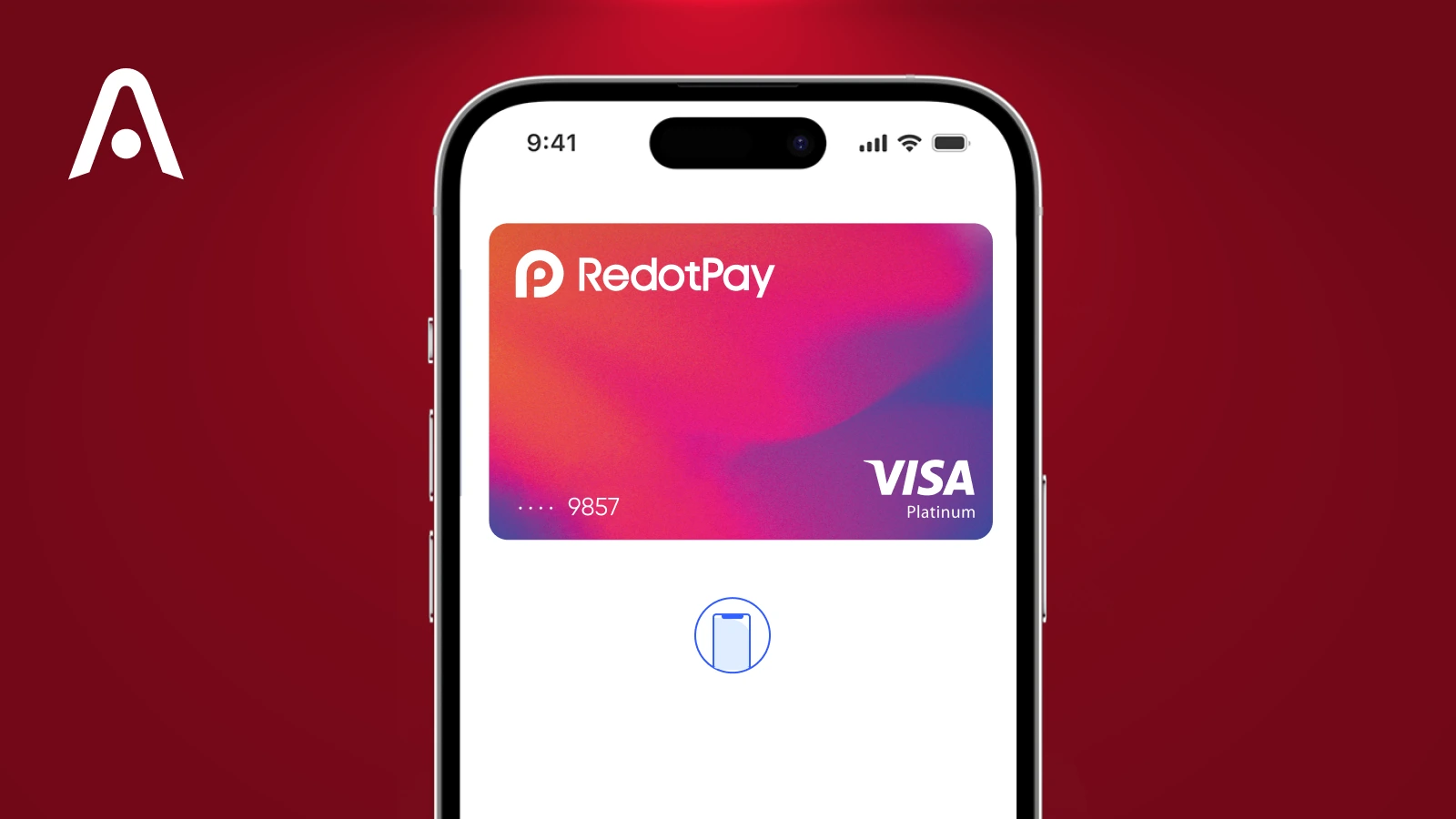
RedotPay enables users to spend stablecoins through traditional payment networks by handling custody, conversion, and settlement behind the scenes. The process is designed to feel similar to using a standard debit card, while the backend operates on crypto infrastructure.
The typical flow looks like this:
- The user deposits stablecoins such as USDT or USDC into their RedotPay wallet
- RedotPay holds the funds in a custodial account
- The user pays with a RedotPay-linked card (online or in-store)
- Stablecoins are converted into fiat at the time of purchase
- The merchant receives payment in traditional currency
Although users interact with crypto, settlement ultimately occurs through established card networks, making the experience compatible with existing merchant systems.
What Makes Stablecoins Suitable for Payments?
Stablecoins are designed to maintain a stable value, typically pegged to the U.S. dollar. This makes them more practical for transactional use compared to volatile cryptocurrencies.
Key characteristics include:
• Dollar-pegged value that reduces price volatility
• Global accessibility without reliance on local banking hours
• 24/7 blockchain settlement
• Lower friction in cross-border transfers
• Programmable digital infrastructure
Because of these features, stablecoins increasingly function as digital settlement layers — combining blockchain speed with price stability, which is essential for real-world payment use cases.
RedotPay’s $1B IPO Plan — Why It Matters
Reports that RedotPay is preparing a $1 billion U.S. IPO, with backing from major financial institutions such as JPMorgan, Goldman Sachs, and Jefferies, signal a broader institutional shift. Traditional finance is no longer positioning itself against crypto payments — it is increasingly financing the infrastructure behind them.
This development suggests:
• Wall Street sees stablecoin payments as scalable financial infrastructure
• Crypto payment rails are moving toward regulatory and institutional alignment
• Payment companies, not just token issuers, are becoming investable entities
• The narrative is shifting from speculation to operational utility
An IPO does not change how the product works technically, but it reframes stablecoin payment firms as part of the mainstream financial ecosystem.

RedotPay Is Not a Stablecoin Issuer
RedotPay does not issue its own stablecoin. It relies on established third-party stablecoins such as USDT and USDC as the underlying settlement assets.
This distinction matters:
RedotPay operates at the infrastructure layer — enabling custody, conversion, and card integration — but it does not control monetary issuance. The stability, reserve management, and regulatory posture of the stablecoins it supports remain dependent on their respective issuers. In this sense, RedotPay is a payment bridge, not a monetary authority.
Custodial vs Non-Custodial Crypto Spending
Crypto payment cards typically operate under either a custodial or non-custodial structure. The distinction affects fund control, regulatory exposure, and counterparty risk, especially when stablecoins are converted during real-world transactions.
Risks of Crypto Payment Cards
While crypto-linked cards improve usability, they introduce several layers of risk beyond simple token holding.
Key considerations include:
• Counterparty risk — assets are held by the provider in custodial accounts
• Regulatory risk — payment rules can change across jurisdictions
• Card network dependency — relies on Visa/Mastercard-style infrastructure
• Stablecoin issuer risk — dependent on third-party reserve management
• Operational pressure — payment businesses operate on thin margins
Spending crypto through a payment app differs from self-custody. The convenience of integration comes with exposure to intermediaries and traditional financial rails.
How RedotPay Compares to Other Crypto Payment Platforms
Crypto payment providers can differ significantly depending on structure, geography, and custody model. While many offer similar card-based spending, the underlying architecture and regulatory positioning vary.
Comparison factors include:
• Custody model — fully custodial vs hybrid or non-custodial integrations
• Geographic focus — Asia-centric vs U.S./EU regulatory positioning
• Card integration — direct card issuance vs third-party partnerships
• Institutional backing — venture-funded vs Wall Street–backed
• Settlement model — stablecoin-native vs crypto-to-fiat exchange-based
RedotPay stands out primarily through its stablecoin-focused infrastructure model and reported institutional backing, positioning it closer to financial infrastructure than consumer crypto speculation.
What RedotPay Signals About the Future of Crypto Payments
RedotPay’s growth and IPO ambitions reflect a broader transition in crypto: stablecoins are increasingly functioning as financial rails rather than trading instruments. When traditional banks finance payment infrastructure built on blockchain assets, it signals institutional acceptance of the underlying settlement layer.
If this trend continues, stablecoin payment providers may become standard components of the global financial stack — quietly operating in the background while users interact with familiar card interfaces. In that model, crypto becomes less visible but more embedded.
What Users Should Understand Before Using Crypto Payment Cards
Using a crypto payment card is primarily a spending tool, not a long-term asset storage strategy. While it offers convenience and global usability, it changes the custody model and introduces additional intermediaries.
Users should understand:
• Spending crypto is different from holding crypto
• Custody shifts from the user to the payment provider
• Regulatory changes can impact availability or features
• Stablecoin exposure still carries issuer and reserve risk
Payment apps are optimized for usability and liquidity — not necessarily for long-term storage security.
Holding and Spending Are Different Layers
Crypto payment apps like RedotPay are designed for transaction flow — enabling users to move between stablecoins and fiat seamlessly. But spending infrastructure and asset custody serve different purposes.
For long-term storage, users may prefer maintaining control over private keys in a non-custodial environment. Payment cards prioritize usability, compliance, and integration with traditional financial rails. Holding wallets prioritize control and security.
Understanding this distinction helps users decide where to store assets and when to use them for payments. Atomic Wallet can serve as a self-custody layer for managing crypto assets securely before interacting with spending platforms or payment services.