Why Is Ethereum Down? Correction vs Real Weakness
Ethereum is down today due to a combination of market-wide risk-off sentiment, capital rotation toward Bitcoin, and Ethereum-specific supply and demand dynamics. This is not driven by a single event or failure, but by overlapping macro, structural, and sentiment factors that are affecting ETH more sharply than some other major assets.
This article breaks down why Ethereum is dropping in clear terms, separating short-term pressure from longer-term fundamentals, and explaining what is actually happening behind the price action without panic or speculation.
Why Is ETH Down Right Now?
Ethereum is down right now because investors are reducing risk exposure, rotating liquidity, and reacting to weaker short-term demand for ETH relative to Bitcoin. In periods of uncertainty, ETH typically experiences larger drawdowns due to its higher volatility and broader use as a leveraged asset across DeFi.
On top of that, Ethereum-specific factors are amplifying the move. These include ongoing selling from staking rewards, lower fee burn due to Layer 2 activity, and sentiment cooling after earlier bullish expectations. Together, these pressures explain why Ethereum is down today even without any single negative headline or fundamental breakdown.
Why Is Ethereum Dropping While Bitcoin Holds Stronger?
Ethereum is dropping faster than Bitcoin because liquidity is rotating toward assets perceived as lower risk during uncertain market conditions. Bitcoin often benefits first when capital becomes defensive, while ETH and other large-cap altcoins absorb more selling pressure.
Key factors behind this divergence include:
- Liquidity rotation from ETH into Bitcoin as traders reduce exposure
- Rising Bitcoin dominance during periods of market uncertainty
- Preference for simpler, more established narratives when risk appetite weakens
This dynamic explains why Ethereum can decline even when the broader crypto market appears relatively stable, and why ETH often underperforms Bitcoin during short-term risk-off phases.
ETH vs Bitcoin: Why Ethereum Drops Faster in Risk-Off Markets
When market sentiment turns cautious, Ethereum often underperforms Bitcoin due to differences in liquidity behavior, investor psychology, and narrative strength. While BTC is treated as a defensive crypto asset, ETH behaves more like a high-beta instrument — amplifying downside moves during short-term risk-off phases.
Is ETH Crashing or Just Correcting?
Despite sharp price moves, Ethereum is not experiencing a crash in the traditional sense. A crash typically involves structural failure, forced liquidations across the ecosystem, or a breakdown in long-term confidence. What ETH is seeing instead is a correction driven by sentiment shifts, leverage unwinding, and capital rotation.
Corrections are common in volatile markets, especially after periods of optimism or strong positioning. While they can feel abrupt, they do not necessarily signal long-term weakness in Ethereum itself.
Staking, Withdrawals, and Selling Pressure on ETH
Ethereum’s staking mechanics add another layer of short-term selling pressure during market downturns. Since staked ETH is no longer permanently locked, withdrawals can increase liquid supply when sentiment turns cautious. This does not automatically signal bearish intent, but it does introduce additional volatility into the market.
How Staking Affects ETH Supply
Several dynamics are at play:
- Staking rewards are generated continuously and are often sold to cover operational costs or secure profits
- Withdrawals increase circulating liquidity, which can amplify downside moves when demand is weak
- Profit-taking from long-term stakers becomes more common during periods of uncertainty
These factors do not undermine Ethereum’s staking model or long-term security. Instead, they help explain why ETH can experience heavier sell pressure during corrections compared to assets that do not have ongoing reward distribution.
Layer 2 Growth and the ETH Value Capture Problem
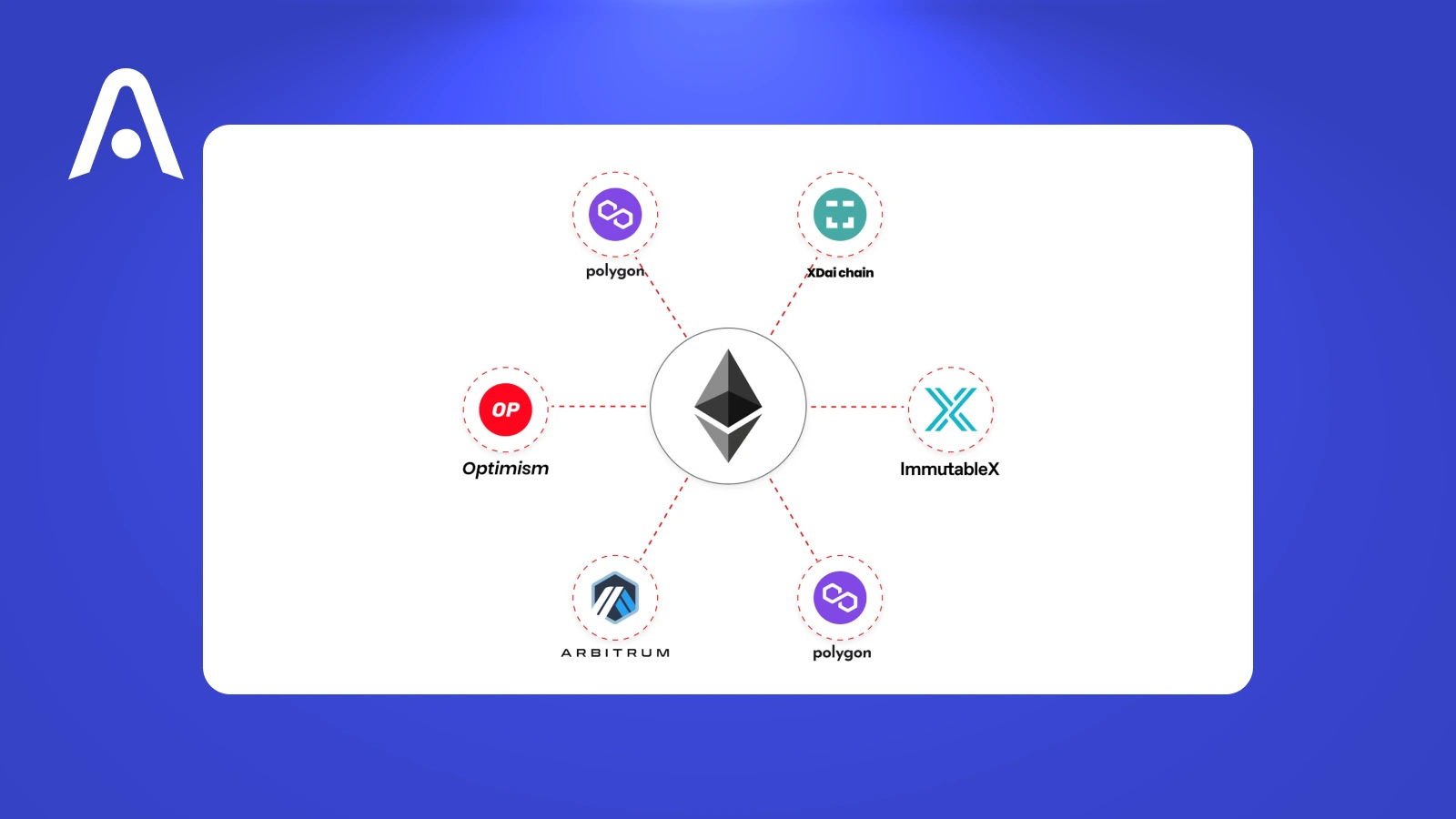
Ethereum’s Layer 2 ecosystem continues to grow rapidly, but this success creates short-term trade-offs for ETH price performance. As more activity migrates to Layer 2 networks, transaction fees on Ethereum’s base layer decline, reducing the amount of ETH burned.
This weakens the deflation narrative that previously supported bullish sentiment. While Layer 2 scaling strengthens Ethereum’s long-term usability and adoption, it can soften near-term value capture on the base layer. The result is a disconnect where usage remains strong, but price momentum lags, contributing to why Ethereum is down despite ongoing ecosystem growth.
ETF Expectations vs Market Reality
Part of the recent weakness in ETH comes from a gap between expectations and actual market impact. Many participants positioned for a strong upside move driven by ETF-related narratives, but real inflows have been slower and more measured than initially anticipated.
When optimistic positioning meets a lack of immediate follow-through, markets tend to correct. This “sell-the-news” dynamic has weighed on sentiment, helping explain why ETH is down today even without a negative catalyst.
Technical Factors Accelerating the Drop
Beyond fundamentals and narrative shifts, technical conditions have intensified Ethereum’s downside move.
Several short-term mechanics are contributing:
- Key support levels have broken, triggering automated selling
- Liquidations have increased as leveraged positions unwind
- Reduced risk appetite has led to broad leverage reduction
- Funding rates have turned negative, reinforcing bearish momentum
These technical factors do not explain why the move started, but they do help explain why the drop accelerated once it was underway.
Is Ethereum Still Fundamentally Strong?
Despite the recent price weakness, Ethereum’s core fundamentals remain intact. Network usage continues, developers are actively building, and Ethereum still anchors the largest smart contract ecosystem in crypto. Price action in the short term often reflects liquidity and sentiment rather than underlying utility.
The disconnect between usage and price is not unusual in volatile markets. While ETH may underperform during risk-off periods, its long-term thesis is tied to infrastructure adoption, developer activity, and its role as the settlement layer for decentralized applications. Short-term drops do not negate that broader trajectory.
What ETH Holders Should Know Right Now
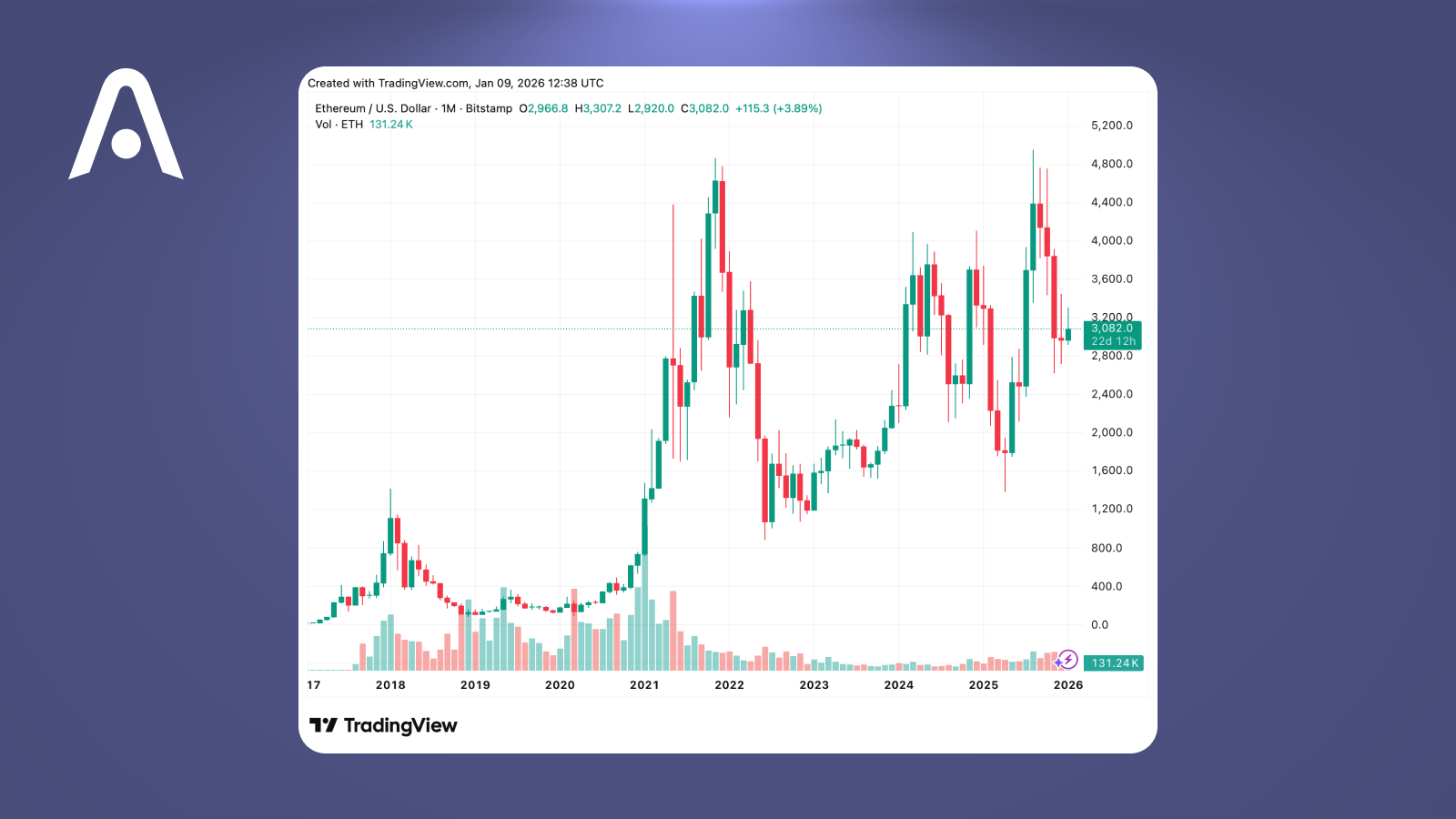
Ethereum’s current decline is the result of overlapping market forces rather than a single failure or existential issue. Volatility is being driven by liquidity rotation, technical pressure, and shifting expectations, not by a breakdown in the protocol itself.
For holders, the key takeaway is context. Understanding why ETH is down helps separate temporary price stress from long-term fundamentals and avoids reactive decision-making during periods of heightened market noise.
Managing ETH Through Market Volatility
Periods of volatility highlight the importance of control and flexibility. Using a non-custodial wallet allows users to hold ETH securely, swap assets when needed, and manage exposure without relying on centralized platforms.
Atomic Wallet provides a neutral environment to store, exchange, and manage Ethereum and other crypto assets, helping users navigate changing market conditions while maintaining full ownership of their funds.