What Is USD.AI? Inside the CHIP Token and AI Infrastructure Yield
USD.AI is a synthetic dollar protocol designed to finance physical AI infrastructure through decentralized capital markets. Instead of relying solely on fiat reserves or crypto collateral, the protocol connects onchain liquidity with real-world compute infrastructure such as GPU hardware. By structuring loans backed by AI equipment and distributing the resulting income through a yield-bearing token model, USD.AI attempts to transform compute capacity into a standardized financial asset within DeFi.
• synthetic dollar protocol
• financing AI infrastructure hardware
• GPU-backed lending markets
• yield-bearing synthetic dollar model
• developed by Permian Labs
Why AI Infrastructure Is Becoming a New Asset Class
Artificial intelligence infrastructure has rapidly become one of the most capital-intensive areas of the technology sector. Training large models and operating inference systems requires massive clusters of GPUs, specialized hardware, and data center capacity. Building and maintaining this infrastructure requires significant upfront capital long before revenue from compute services is realized.
Because of this funding gap, compute infrastructure is increasingly being treated as its own financial asset class. Rather than relying exclusively on traditional venture financing or private credit markets, new structures are emerging that allow external capital to participate in funding hardware deployments. USD.AI attempts to bring this model onchain by allowing capital from crypto markets to finance GPU infrastructure, with the hardware itself serving as collateral for the resulting loans.
How USD.AI Works
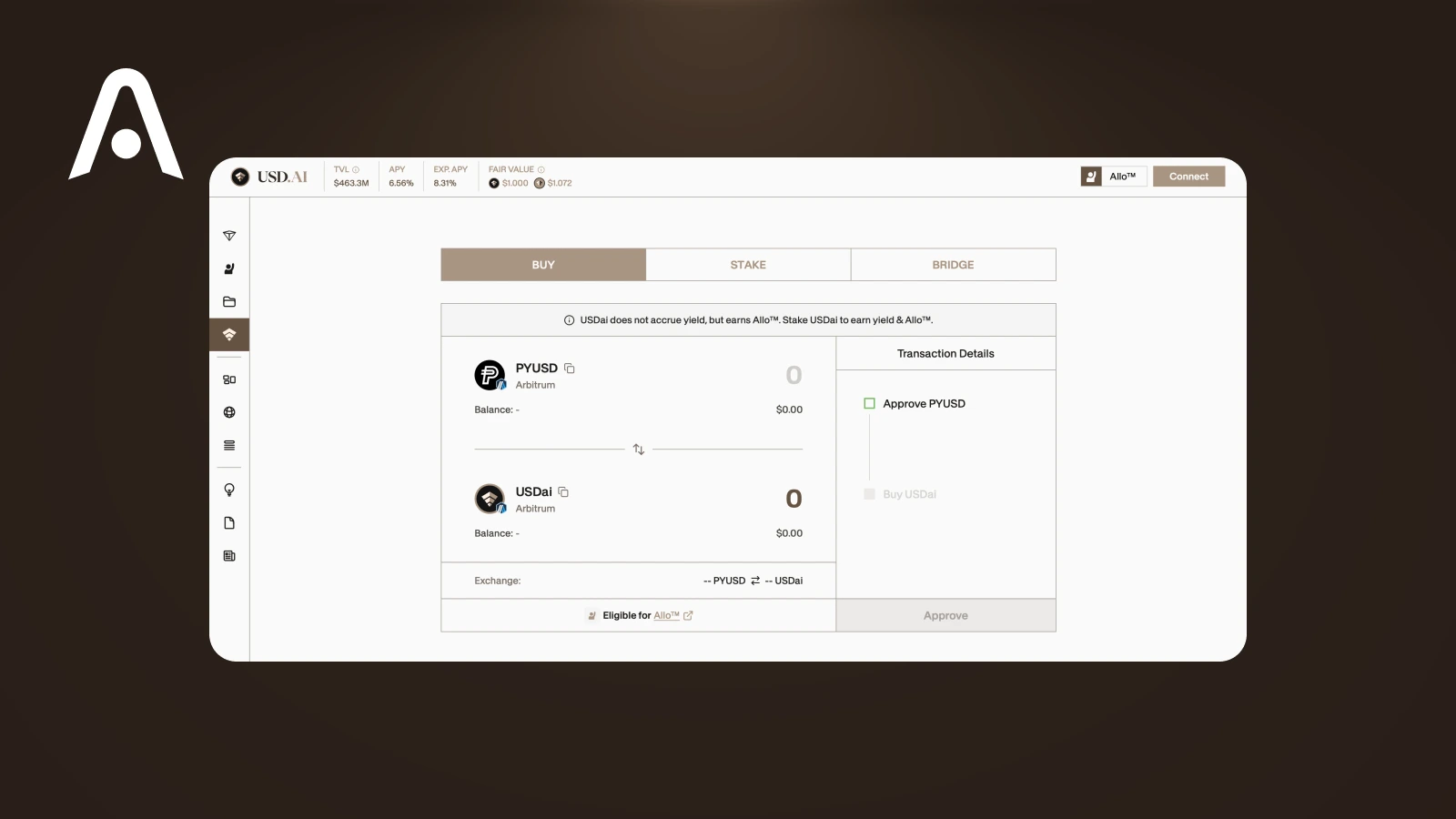
USD.AI operates through a dual-token structure designed to separate liquidity from yield exposure. Users deposit stablecoins into the protocol, which are then used to originate loans to operators building or expanding AI compute infrastructure. These loans are typically collateralized by GPU hardware and structured in a way that allows the income they generate to be distributed within the protocol.
• users deposit stablecoins such as USDC or USDT
• the protocol mints USDai as a synthetic dollar
• USDai can be staked to receive sUSDai
• loans are issued to infrastructure operators
• revenue from those loans flows back to sUSDai holders
USDai vs sUSDai Explained
The USD.AI system separates liquidity from yield by introducing two related tokens. USDai functions as the base synthetic dollar used within the protocol’s liquidity layer, while sUSDai represents the yield-bearing exposure to infrastructure financing. This distinction allows users to choose between holding a stable synthetic asset or participating in the returns generated by AI infrastructure lending.
USDai
• base synthetic dollar used for liquidity
• designed to remain fully backed
• redeemable within the protocol
• does not distribute yield directly
sUSDai
• yield-bearing version of the synthetic dollar
• backed by AI infrastructure loan exposure
• accrues income generated by the protocol
• withdrawals may involve redemption windows
How USD.AI Generates Yield
The yield distributed within the USD.AI ecosystem primarily comes from loans issued to operators building AI compute infrastructure. These operators use GPU hardware as collateral when borrowing capital from the protocol. As infrastructure providers repay their loans, the resulting income flows back through the system and accrues to holders of the yield-bearing token.
In addition to infrastructure lending, the protocol may also allocate idle capital to low-risk assets in order to maintain a baseline level of return when funds are not actively deployed in loans.
• loans collateralized by GPU hardware
• infrastructure financing agreements with compute operators
• treasury bill yield on temporarily idle capital
• stable asset reserves supporting base returns
The CHIP Token Explained
CHIP is the governance and coordination token of the USD.AI protocol. Rather than serving as collateral or functioning as a stablecoin itself, the token plays a role in managing the parameters that shape the protocol’s financial system. This includes risk management settings, incentive programs, and standards used for structuring infrastructure-backed loans.
As the ecosystem grows, CHIP is intended to align participants involved in maintaining and expanding the protocol’s infrastructure finance model.
• governance token of the USD.AI protocol
• coordinates risk parameters for infrastructure lending
• aligns incentives across ecosystem participants
• participates in fee and revenue governance mechanisms
CHIP Token Distribution
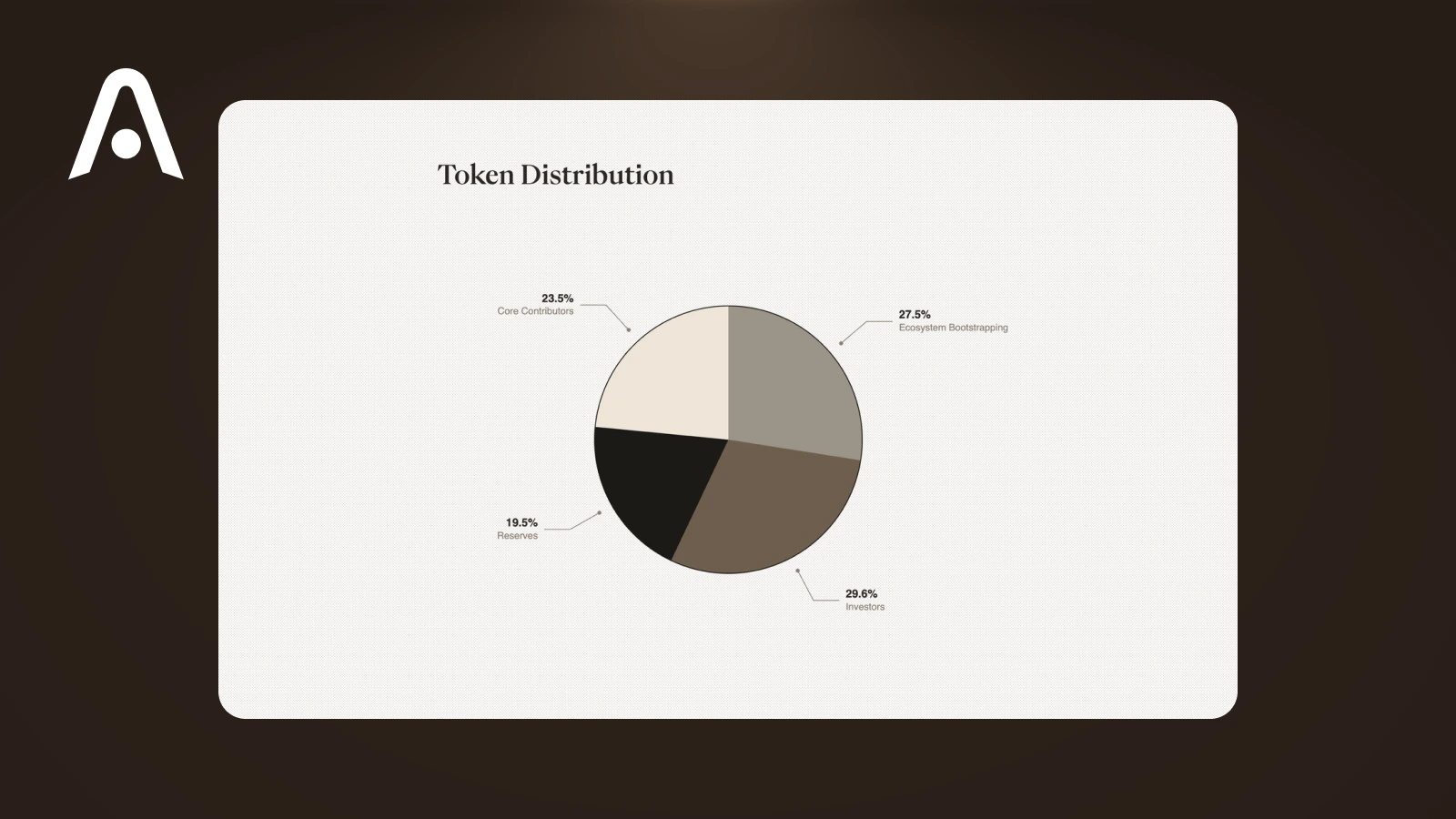
The CHIP token supply is structured to support both long-term protocol development and early ecosystem growth. A portion of the allocation is reserved for liquidity programs and incentives designed to bootstrap adoption, while other segments are dedicated to contributors, investors, and protocol reserves. Vesting schedules are used in several categories to align incentives between early stakeholders and the long-term development of the protocol.
• ecosystem bootstrapping allocation (~27.5%)
• protocol reserve allocation (~19.5%)
• contributor allocation with multi-year vesting
• investor allocation with staged unlock schedule
Early initiatives such as Season 1 incentive programs helped distribute tokens and establish the initial community around the protocol.
The CHIP ICO and CoinList Sale
USD.AI also conducted a whitelist-based token sale through the CoinList platform, raising approximately $19.4 million from participants. Access to the sale required prior eligibility through a whitelist process, and final allocations were confirmed directly to participants following the completion of the offering.
The structure of the sale included a full token unlock at the token generation event (TGE), while participants were given a limited window to request refunds if they chose not to proceed with their allocation.
• whitelist-based ICO through CoinList
• approximately $19.4M raised from participants
• allocations communicated to users via email
• 100% token unlock scheduled for TGE
• refund window available before final distribution
USD.AI vs Other Yield Stablecoin Protocols
USD.AI enters a growing category of protocols that combine stablecoin liquidity with yield generation. While many synthetic dollar systems rely on crypto-native strategies such as derivatives funding or overcollateralized lending, USD.AI focuses on income generated from real-world infrastructure financing.
Key Participants in the USD.AI Ecosystem
The protocol architecture revolves around three primary participant groups, each playing a distinct role in how capital flows through the system. By separating these roles, the protocol attempts to structure infrastructure financing in a way that distributes both opportunity and risk across different participants.
• Depositors — provide capital to the protocol and receive synthetic dollar exposure
• Borrowers — infrastructure operators seeking financing for GPU hardware deployments
• Curators — supply first-loss capital and help structure lending markets
This framework separates the providers of capital from the operators running physical infrastructure, while allowing risk and returns to be priced within the protocol’s financial structure.
Risks and Structural Considerations
While USD.AI introduces a new model for financing AI infrastructure, it also carries risks that stem from both decentralized finance systems and real-world asset exposure. Because the protocol connects blockchain liquidity with physical hardware markets, several layers of uncertainty may affect how the system performs over time.
• valuation risk of GPU collateral
• liquidity constraints during redemption periods
• smart contract vulnerabilities
• infrastructure operator default risk
• fluctuations in global demand for AI compute
Understanding these factors is important for participants evaluating synthetic dollar systems that rely on infrastructure-backed lending rather than purely crypto-native collateral.
What USD.AI Signals About the Future of AI Infrastructure Finance
Artificial intelligence infrastructure is rapidly becoming one of the most capital-intensive segments of the digital economy. As demand for compute continues to grow, the scale of funding required for GPUs, data centers, and supporting hardware is expanding alongside it. Traditional financing models may not always provide sufficient flexibility for smaller infrastructure operators seeking access to capital.
Protocols like USD.AI represent an attempt to bridge this gap by connecting decentralized capital markets with real-world infrastructure assets. If such models gain traction, they could expand the role of blockchain-based finance beyond purely digital assets, potentially turning compute capacity into a new category of investable infrastructure within global financial systems.
Use a Secure Wallet for DeFi Participation
Participating in DeFi protocols and token launches requires secure asset management and self-custody infrastructure. Always verify official contracts and interact only with trusted platforms when managing digital assets.
Atomic Wallet provides a non-custodial environment for securely storing and managing cryptocurrencies while interacting with decentralized applications.