Best Web3 Wallets in 2026: Top Wallets for DeFi and dApps
The best Web3 wallet is the one that gives you reliable dApp access on the networks you use while making it clear what you are about to approve or sign.
A Web3 wallet does more than hold crypto. It connects your account to decentralized apps and acts as the signing layer for swaps, staking, lending, NFTs, games, and other onchain activity.
That makes dApp compatibility, transaction security, chain support, and recovery more important than simply counting how many tokens a wallet can display.
Web3 wallet connectivity is already operating at massive scale. WalletConnect reports more than 54 million unique active wallets and 380 million wallet-to-app connections across an ecosystem of 80,000+ apps.
Best Web3 Wallets in 2026: Quick Comparison
The strongest Web3 wallets serve different users — from EVM DeFi and Solana dApps to mobile multichain activity and hardware-secured signing.
Atomic Wallet fits users who want Web3 access alongside broader crypto management, while MetaMask offers wider dApp compatibility and Rabby goes deeper on EVM transaction visibility. Phantom remains more Solana-focused, Trust Wallet prioritizes broad mobile multichain access, and Ledger Flex puts hardware signing first.
How We Chose the Best Web3 Wallets
We compared Web3 wallets by how well they connect to dApps, protect transaction signing, support multiple chains, and handle recovery and hardware security.
The main criteria were:
- dApp compatibility — How broadly the wallet works across DeFi, NFT, gaming, and other Web3 apps
- Signing security — Transaction previews, simulation, risk warnings, and approval visibility
- Chain support — Native access to the networks users actually need
- Self-custody — Whether users control their own keys
- Recovery — How access can be restored if a device is lost
- Hardware support — Whether the wallet can work with an offline signer
- UX and reliability — How clearly the wallet handles connections, approvals, and transactions
We also looked at specialization. A wallet built for EVM DeFi can offer deeper transaction controls, while a broader multichain wallet may be more practical for users who move across several ecosystems.
Atomic Wallet — Best All-in-One Web3 Wallet
Atomic Wallet is a strong fit for users who want Web3 access alongside broader self-custody crypto management.
Its Web3 browser extension connects to EVM dApps and supports use cases such as DEX trading, NFTs, lending, and Web3 games, while private keys remain locally controlled by the user. The wider Atomic ecosystem also covers portfolio management, swaps, staking, and support for a large range of crypto assets.
That makes Atomic useful for users who do not want a separate wallet for Web3 and another one for everyday asset management.
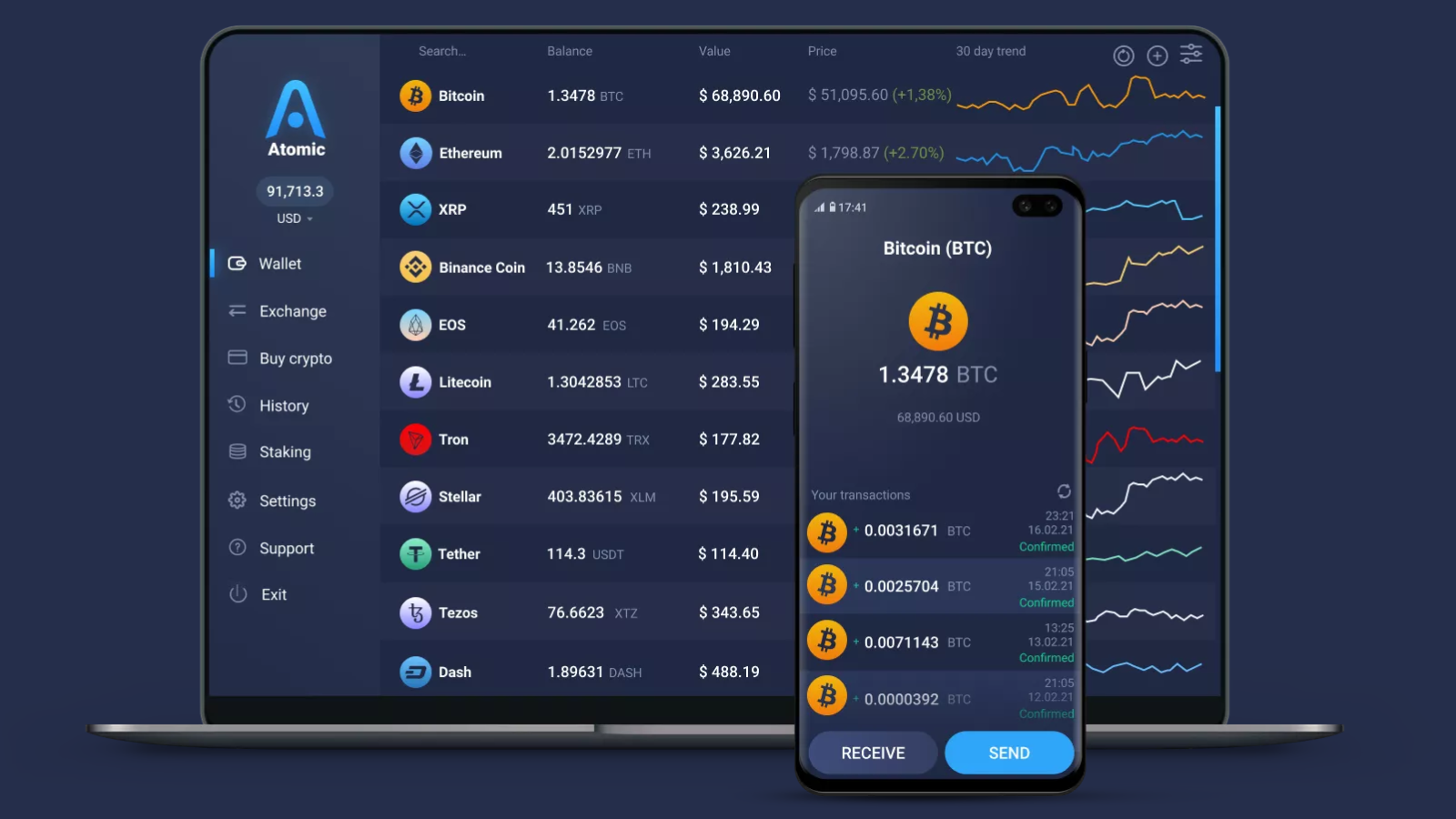
Best for: Users who want EVM Web3 access and broader multichain asset management in one ecosystem
Main trade-off: Advanced DeFi users may prefer more specialized transaction analysis and approval tools available in wallets such as Rabby
MetaMask — Best for Broad Web3 and dApp Access
MetaMask is one of the strongest choices for broad Web3 access because it combines extensive dApp compatibility with a growing native multichain footprint.
Originally built around Ethereum and EVM networks, MetaMask now also supports Solana, Bitcoin, and TRON natively. It remains deeply integrated across DeFi, NFT platforms, games, and other dApps, making it a practical default for users who move between several Web3 ecosystems.
MetaMask is also moving beyond basic wallet signing through smart accounts and advanced permissions, which can support features such as scoped spending permissions and more flexible account controls.
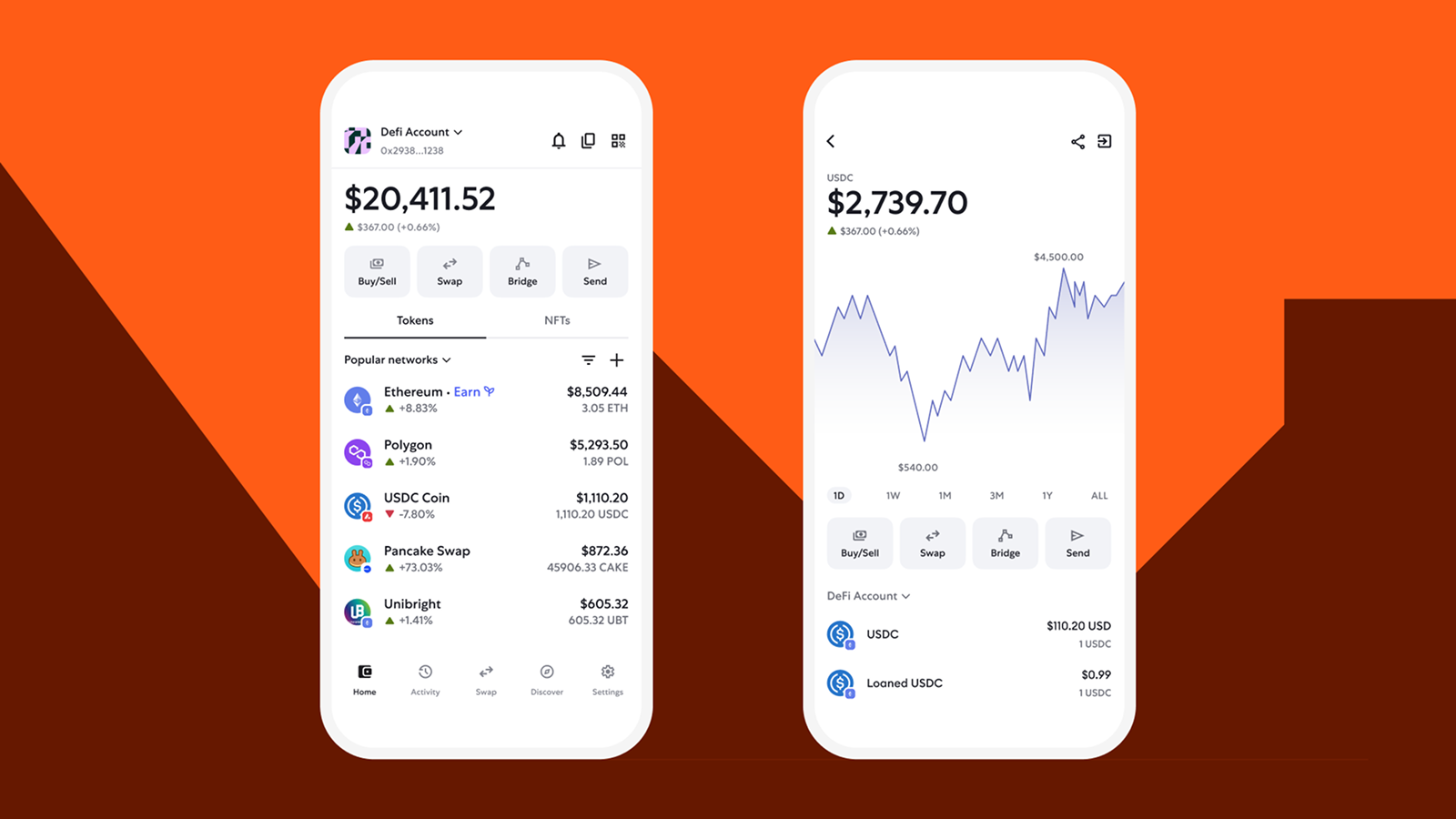
Best for: Broad dApp access and users active across multiple Web3 ecosystems
Main trade-off: The growing feature set and network coverage can feel complex for users who only need a simple wallet
Rabby — Best Web3 Wallet for EVM DeFi
Rabby is built for users who spend most of their time in EVM DeFi and want more visibility into what a transaction will do before they sign it.
Its standout feature is pre-signing transaction analysis. Rabby can simulate transactions, preview expected balance changes, and flag risky interactions before approval, making it especially useful for complex DeFi activity.
Rabby also supports a wide range of EVM networks and hardware wallets, while keeping its focus tightly on Ethereum-compatible ecosystems rather than trying to cover every major chain.
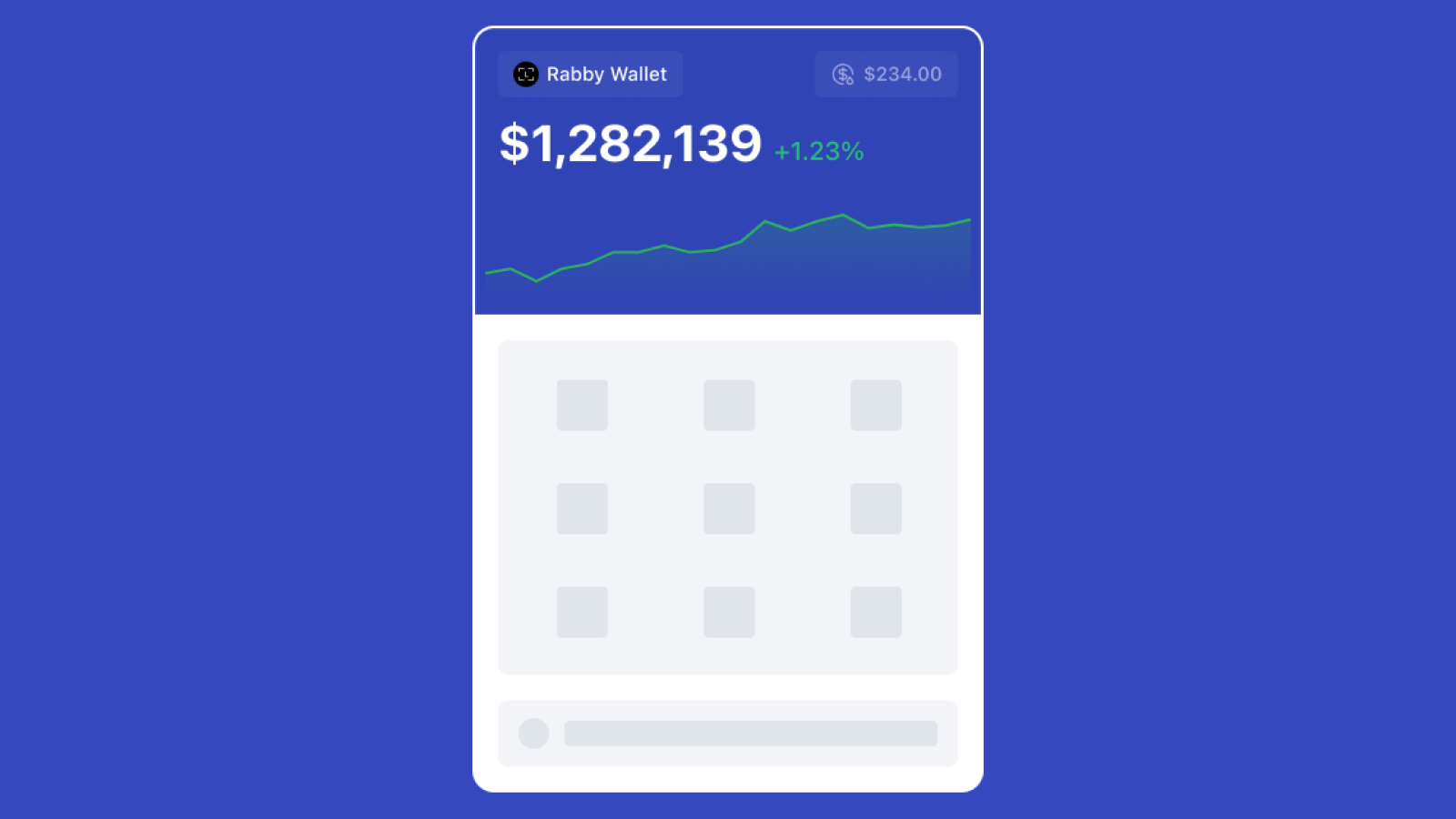
Best for: Active EVM DeFi users who prioritize transaction visibility and signing security
Main trade-off: Its EVM focus makes it less suitable for users who need deep native access to ecosystems such as Solana
Trust Wallet — Best Mobile Multichain Web3 Wallet
Trust Wallet is a strong option for users who want broad Web3 access from mobile without managing separate wallets for different chains.
It supports more than 100 blockchains and includes access to dApps, swaps, NFTs, staking, and other onchain activity. Trust Wallet also uses a built-in Security Scanner to flag potentially risky transactions and dApp interactions before approval.
Its main strength is breadth: one wallet can cover a large number of networks and everyday Web3 use cases without forcing users into a chain-specific setup.
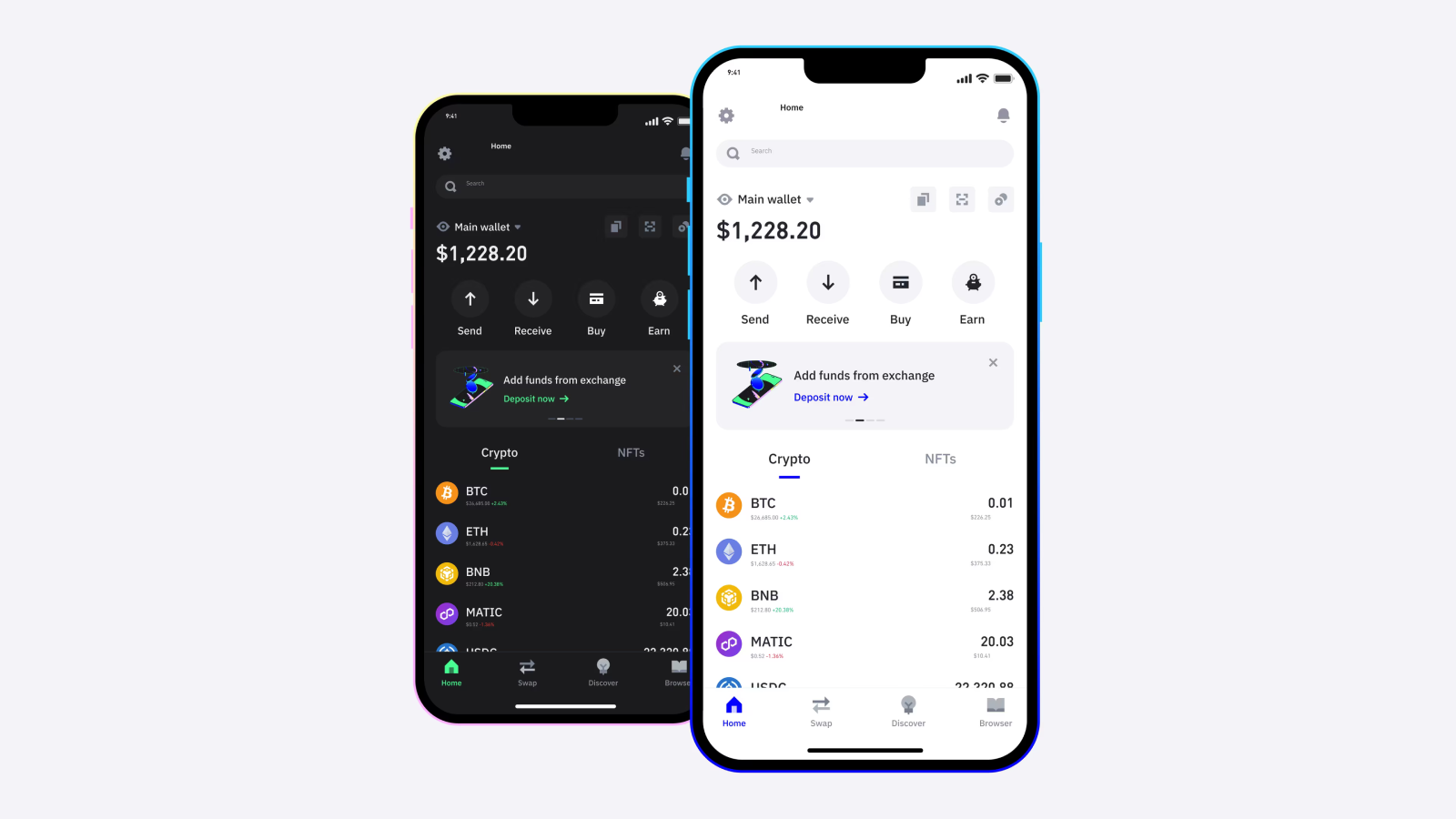
Best for: Mobile users active across multiple blockchain ecosystems
Main trade-off: Broad multichain coverage comes with less depth in some ecosystems than more specialized wallets
Phantom — Best Web3 Wallet for Solana Users
Phantom is best suited to users who want deep access to Solana dApps, swaps, staking, and tokens from a wallet built around the ecosystem.
Phantom supports transaction simulation before signing and can warn users when an interaction cannot be safely previewed or appears suspicious. It also combines Solana-native tooling with support for selected other networks, including Ethereum, Bitcoin, Base, Polygon, and HyperEVM.
That makes Phantom especially strong for users whose Web3 activity is centered on Solana but who still want some multichain flexibility.
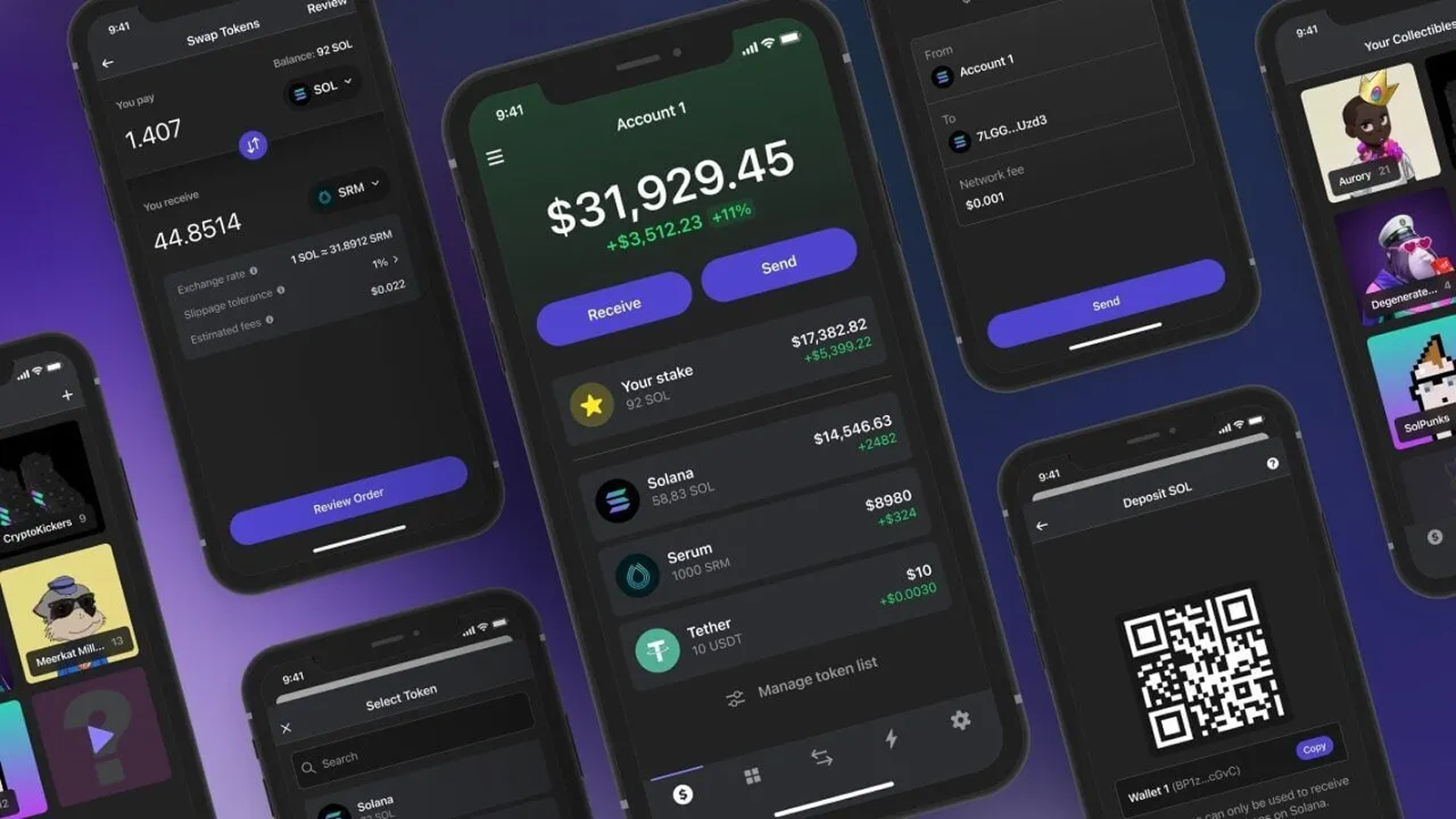
Best for: Solana dApps, staking, swaps, and active onchain use
Main trade-off: Its chain coverage is narrower than broad multichain wallets such as Trust Wallet or MetaMask
Ledger Flex — Best Hardware Wallet for Web3
Ledger Flex is built for users who want to stay active in Web3 without keeping their private keys on an internet-connected device.
Ledger can connect directly to dApps such as Uniswap and 1inch through Ledger Wallet, or work as a hardware signer with software wallets including MetaMask, Rabby, and Phantom. Private keys remain on the device while transactions are reviewed and approved on its secure screen.
That setup makes Ledger particularly useful for larger portfolios that still need regular DeFi or dApp access.
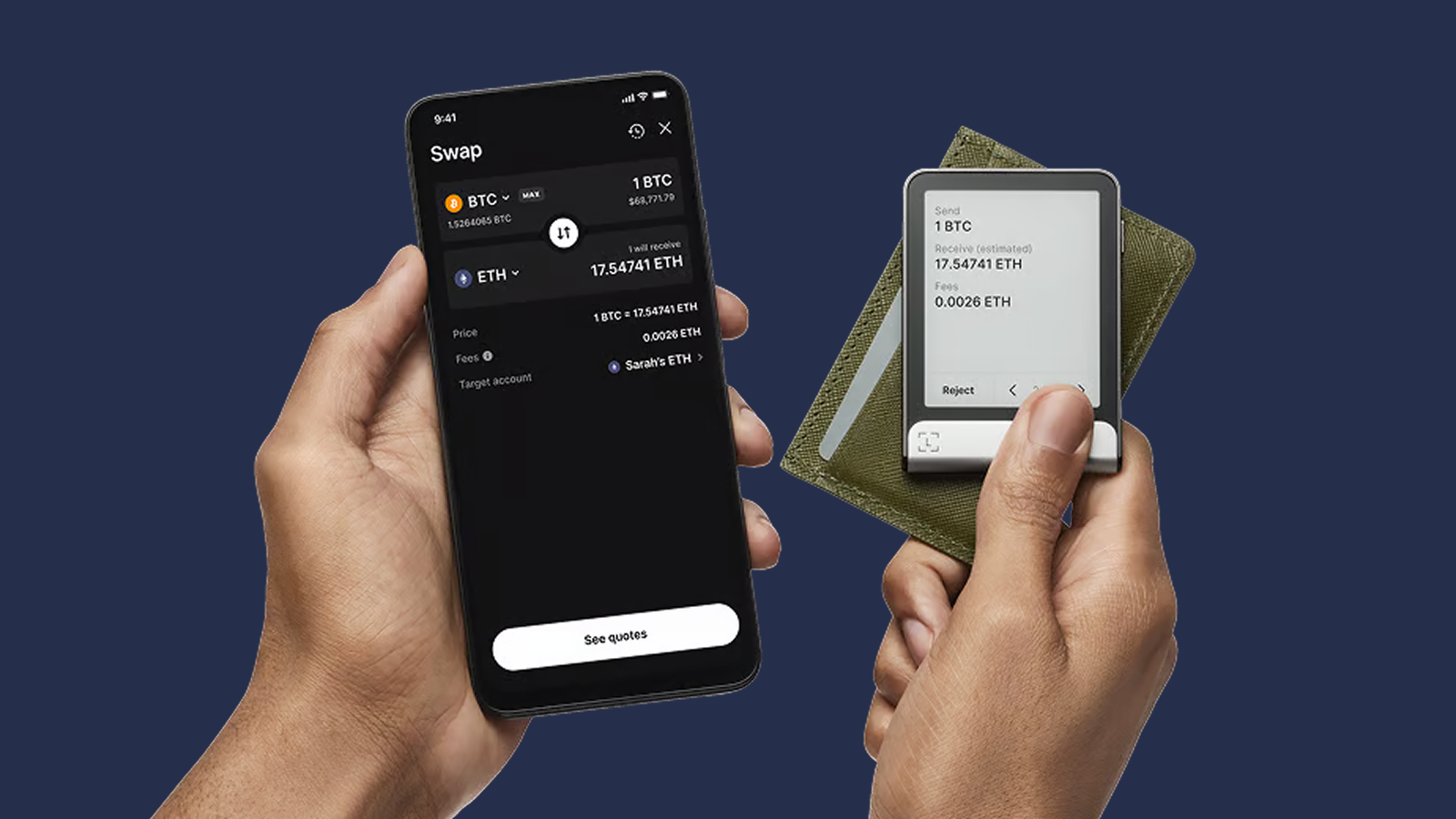
Best for: Hardware-secured Web3 activity and larger balances
Main trade-off: Every transaction adds a physical approval step, making it slower than a software-only wallet
What Matters in a Web3 Wallet in 2026?
Web3 wallets are evolving from simple key managers into security and permission layers for onchain apps.
The most useful features now go beyond token and chain support:
- Transaction simulation — Shows the expected outcome before you sign
- Clear transaction previews — Makes asset and balance changes easier to understand
- Scoped permissions — Lets dApps receive limited access instead of broad or permanent approvals
- Smart accounts — Enable features such as transaction batching, flexible recovery, spending rules, and sponsored gas
- dApp compatibility — Determines how broadly the wallet works across DeFi, NFTs, games, and other onchain apps
- Hardware signing — Keeps private keys isolated while still allowing dApp interaction
- Recovery options — Increasingly important as wallets move beyond traditional seed-only account models
Account abstraction is one of the biggest shifts behind this change. Ethereum smart accounts can support custom security rules, recovery mechanisms, batched transactions, and gas payments handled by another party. MetaMask’s newer Advanced Permissions also allow supported dApps to request spending limits and time-bound access instead of relying only on open-ended token approvals.
The practical takeaway is simple: supporting more chains is useful, but helping users understand and control what happens after they connect is increasingly what separates a basic crypto wallet from a strong Web3 wallet.
Hot Wallet vs. Hardware Wallet for Web3
Hot wallets are better for frequent dApp activity, while hardware wallets make more sense when stronger key isolation matters more than speed.
For active Web3 users, the better setup is often both. A hot wallet can handle everyday onchain activity, while larger holdings stay behind hardware-secured keys.
How to Choose the Best Web3 Wallet
Start with the chains and dApps you actually use, then decide how much signing security, multichain support, and hardware protection you need.
- All-in-one Web3 and asset management — Atomic Wallet
- Broad dApp compatibility — MetaMask
- EVM DeFi and transaction visibility — Rabby
- Mobile multichain Web3 — Trust Wallet
- Solana-focused Web3 — Phantom
- Hardware-secured Web3 — Ledger Flex
For frequent DeFi or experimental dApps, signing tools matter more than raw chain count. For larger balances, hardware support becomes more important. And if you regularly move between ecosystems, native multichain support can reduce the need to maintain several separate wallets.
Web3 Wallet Security: Connect, Approve, and Sign Safely
The biggest Web3 wallet risks often appear after you connect to a dApp, especially when approving token access or signing transactions you do not fully understand.
These actions are not the same:
- Connect — Lets the dApp see your wallet address and establish a session
- Approve — Gives a smart contract permission to spend a specific token
- Sign — Authorizes a transaction or message with your wallet
Before approving anything, check the dApp domain, token, spending limit, recipient, and expected balance changes. Avoid unlimited approvals when a smaller limit will do, and periodically remove permissions you no longer use. Ethereum.org warns that malicious approvals can continue giving a contract access to tokens until that permission is revoked.
Be especially cautious with blind signing. If a wallet or hardware device cannot translate a transaction into readable details, you may be authorizing raw data without knowing exactly what it does. Clear Signing standards are designed to show actions such as transfers, swaps, and token approvals in human-readable form before confirmation.
For unfamiliar mints, experimental DeFi protocols, or new dApps, using a separate wallet with a limited balance can keep your main holdings away from higher-risk interactions.
Ready to explore Web3? Get Atomic Wallet to manage crypto, connect to dApps, and keep control of your assets in one self-custody wallet.