What is Initia?
Initia is a network built for many application-specific rollups that work together. At its center is Initia L1, a Layer 1 blockchain built on the Cosmos SDK. The L1 gives the rollups security for bridging, state commitments and fraud proofs, hosts InitiaDEX as the shared liquidity hub, and routes messages and tokens between rollups and other chains.
Teams launch their own rollups, called Interwoven Rollups, with the Interwoven Stack, which bundles the rollup framework, bridges, wallets and explorers. Rollups can run the EVM, MoveVM or WasmVM.
Enshrined Liquidity and VIP
On most proof of stake chains you have to choose between staking a token and providing liquidity with it. Initia's Enshrined Liquidity removes that choice: whitelisted INIT liquidity positions on InitiaDEX can be staked with validators, so one position earns both staking rewards and trading fees.
The Vested Interest Program, or VIP, rewards rollups and their users in INIT for activity that helps the ecosystem, so that rollup teams, users and INIT holders share the same long-term interest.
INIT supply
INIT has a fixed supply of 1 billion tokens. A quarter goes to Enshrined Liquidity and staking rewards and another quarter to VIP rewards, both released gradually. The team and investors each hold about 15% with a 12-month cliff and 36 months of vesting, and the rest covers the foundation, the Binance launch campaign, an airdrop and a community sale. Around 219.76 million INIT are in circulation today.
What moves the price of INIT?
INIT depends on how many rollups launch on Initia and how much activity and liquidity they bring to InitiaDEX. Gradual releases of staking and VIP rewards and unlocks for the team and investors add supply over time. The token also follows the wider crypto market.
How to store INIT safely
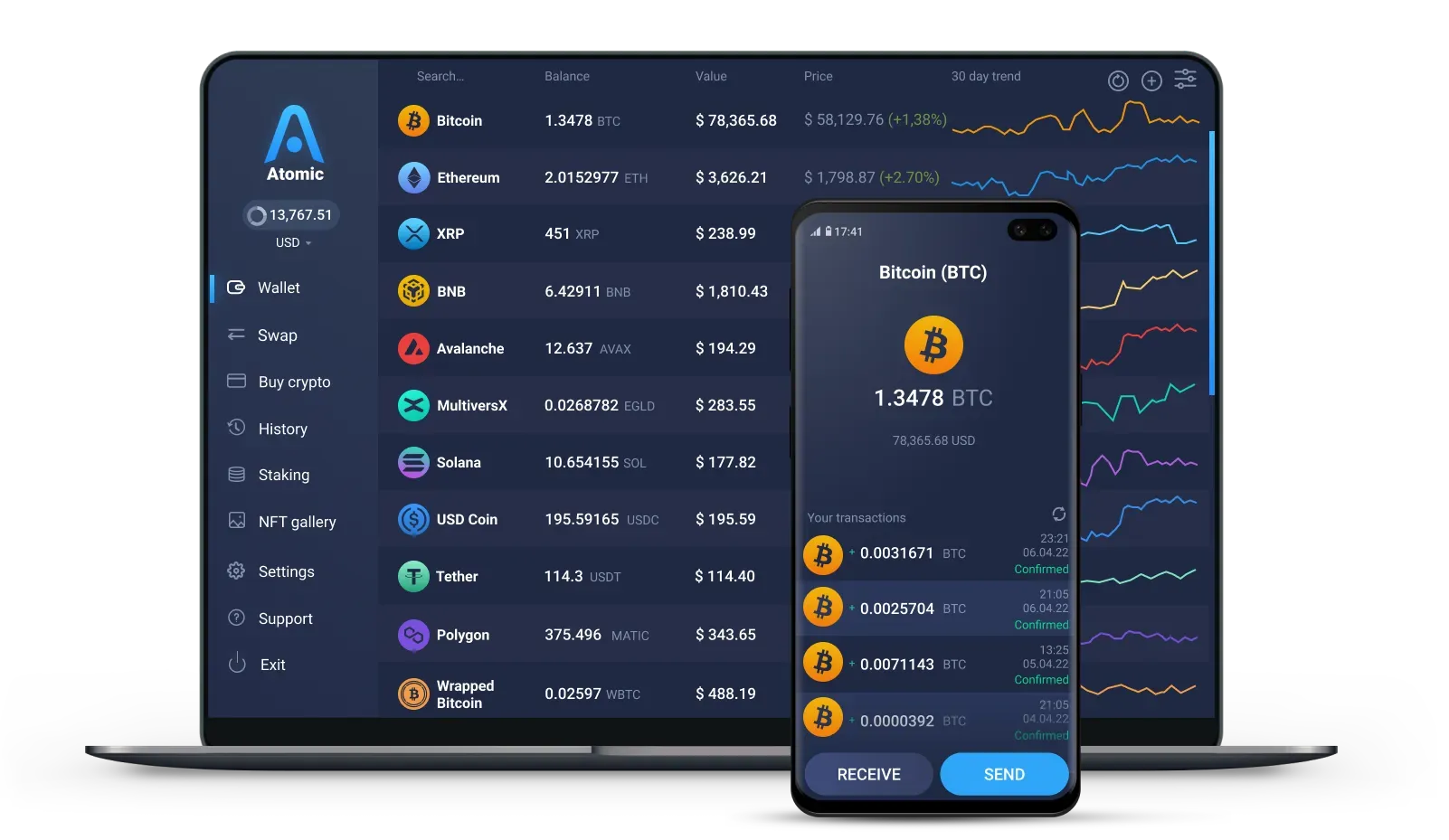
The safest way to hold INIT is a self-custody wallet, where only you control the private keys. INIT is the native coin of Initia L1, so use a wallet that supports the Initia network, and keep your backup phrase offline.