What is Gram?
Gram (GRAM) is the native coin of the TON blockchain, The Open Network. Until its rename it was called Toncoin and traded under the ticker TON. Only the coin's name and ticker changed: the network still runs as TON, and the coins people already held became GRAM.
GRAM pays for transactions on TON and is staked by validators to secure the network. Addresses, smart contracts, staking, NFTs and Jetton tokens were not affected by the rename.
How does TON work?
TON started out with proof of work, and the first coins were distributed through mining. The network later moved to proof of stake: validators lock GRAM and confirm blocks under a Byzantine fault tolerant protocol. TON has a masterchain and workchains, and workchains are split into shards that process transactions in parallel.
GRAM supply
GRAM has no fixed maximum supply. A large part of the total supply is not in circulation, so the circulating number is much lower than the total. Around 2.88 billion GRAM are in circulation today.
A short history of Gram
The TON blockchain was first developed by Telegram co-founder Nikolai Durov as the Telegram Open Network, and its white paper called the coin Gram. The network was later relaunched as The Open Network under the TON Foundation, with the coin named Toncoin. In June 2026, after a community vote, Toncoin was renamed back to Gram, the name from the original white paper. Balances carried over one to one, with no swap or claim.
What moves the price of GRAM?
GRAM follows the wider crypto market, but its link to Telegram matters most: news about Telegram's role in TON tends to move the price. Activity on the network and the share of the supply that is staked or not yet in circulation matter too.
How to store Gram safely
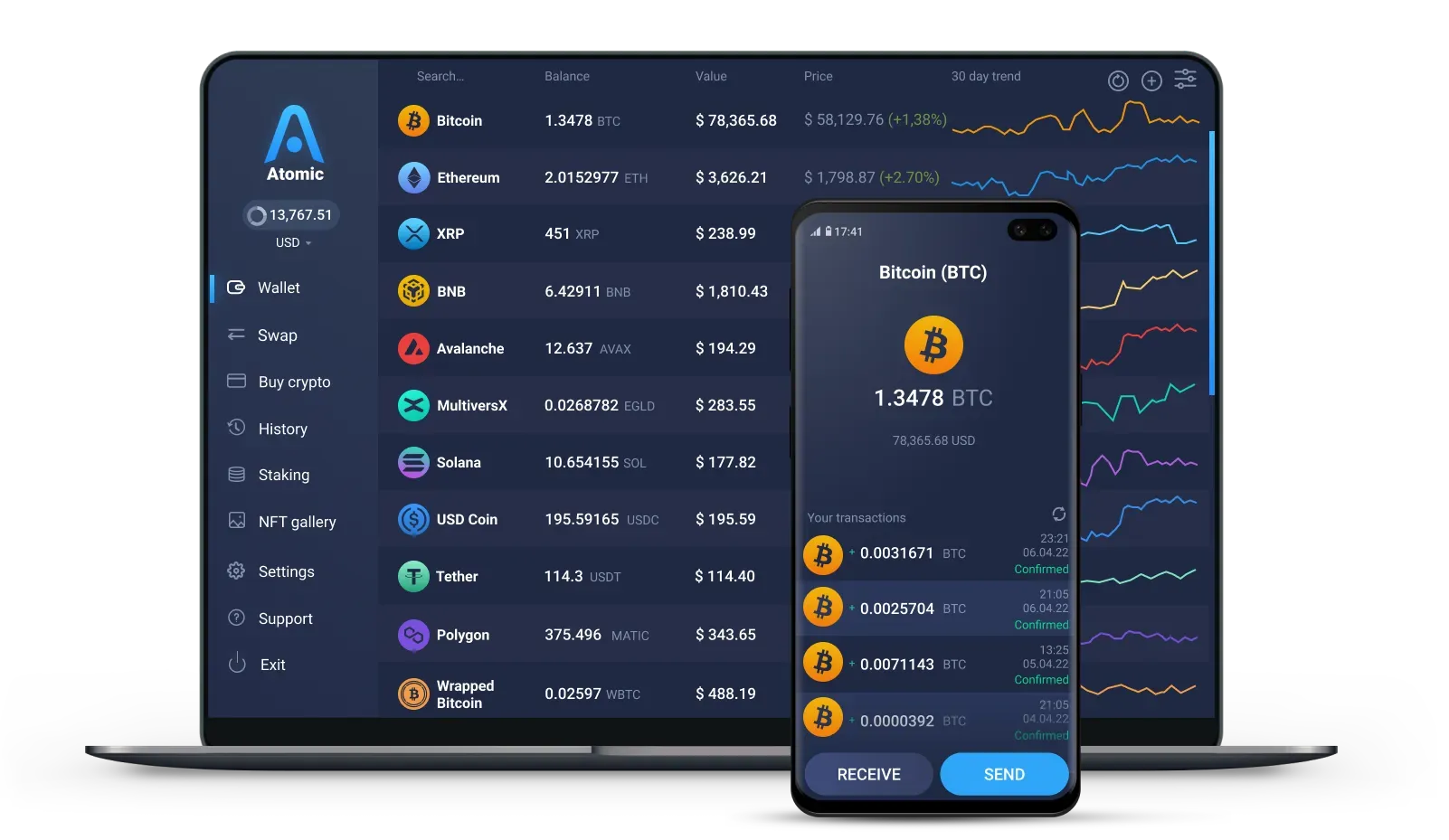
The safest way to hold GRAM is a self-custody wallet, where only you control the private keys. In Atomic Wallet your keys are encrypted and never leave your device, and a 12-word backup phrase lets you restore your wallet on any device. When you send GRAM to an exchange, add the comment or memo the exchange asks for, or the deposit may not reach your account.